When discussing anchor bolts, a common question arises: "What is the difference between mechanical and resin anchor bolts?" According to Tom Harrington, a senior engineer with over twenty years of experience in structural engineering, "Understanding the differences can significantly impact project outcomes." His expertise highlights the importance of selecting the right type of anchor for specific applications.
Mechanical anchor bolts rely on expansion. They grip the base material tightly for strength. This method works well in solid substrates. On the other hand, resin anchor bolts use a chemical adhesive. They bond the anchor to the surrounding material. This method suits less stable environments and is effective in various substrates. Each type has its benefits and limitations, which can be crucial when making decisions.
While mechanical anchors provide immediate holding strength, resin anchors may take longer to set. Each process has nuances that impact installation time and strength. Engineers must consider their specific needs. Choosing the wrong type can lead to issues later on. It's essential to reflect on these factors before making a decision.
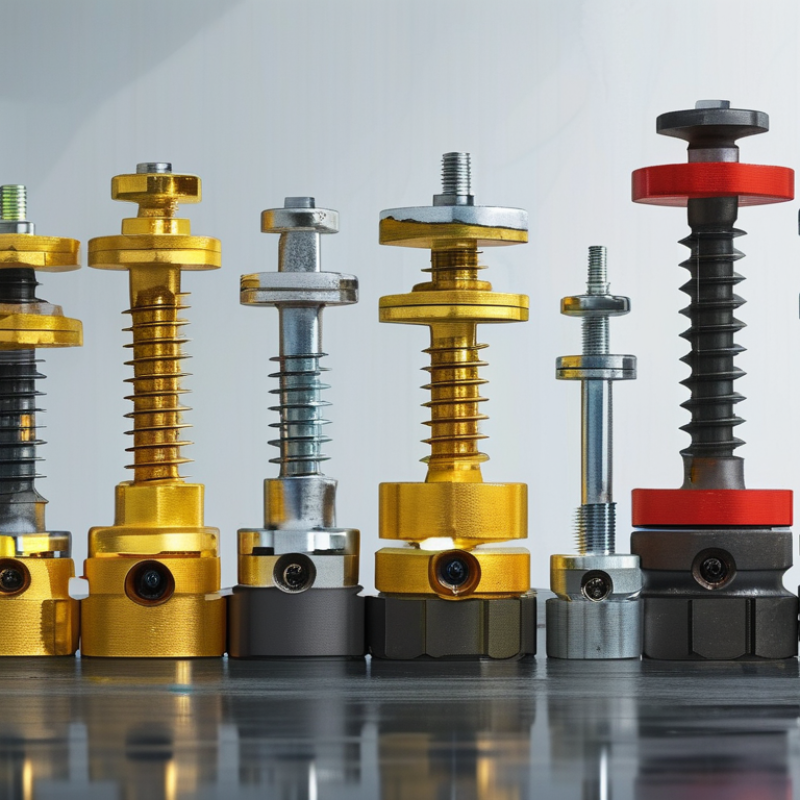
China Top Mechanical Anchors: Overview and Features
China's top mechanical anchors are designed for
high strength and reliability. They work by expanding within a pre-drilled hole when tightened. This mechanism creates
a strong bond with the surrounding material, making them suitable for various applications, including construction
and heavy machinery installation. The unique feature of mechanical anchors is their ability to be reused, providing
flexibility during projects.
These anchors come in various sizes and lengths, catering
to different structural requirements. They are usually made from durable materials like stainless steel or carbon steel.
Their design can be quite complex, with features that enhance load distribution. However, not all mechanical anchors
are easy to install. Some require specific tools that might not be standard in every toolkit.
Despite their advantages, there are some limitations. Mechanical anchors may not perform well in softer materials
like concrete, leading to potential failures. When considering
these anchors, it’s essential to assess the installation environment thoroughly. Experimenting with different types
can help identify the most effective solutions, but careful evaluation is always key.
Exploring Resin Anchor Bolts: Composition and Benefits
Resin anchor bolts represent a significant advancement in the construction industry. These bolts are typically composed of high-strength resin materials, which offer superior bonding capabilities. Unlike traditional mechanical anchor bolts, resin bolts provide enhanced load distribution and resistance against environmental factors. According to industry reports, resin anchor systems can support loads exceeding 20% more than their mechanical counterparts under similar conditions.
The benefits of using resin anchor bolts are backed by research. They exhibit lower installation stress and can fill irregularities in the base material. This flexibility often leads to less reliance on concrete quality. A study published in the Journal of Construction Materials noted that resin anchors performed exceptionally well in seismic conditions, significantly reducing the risk of failure. They also offer excellent resistance to chemicals, making them ideal for various applications.
However, some drawbacks warrant attention. The curing time for resin can extend project timelines. Additionally, improper mixing or application can lead to failures. Thorough training for installation is essential to mitigate these risks. Careful assessment of site conditions is also crucial to ensure the appropriate use of resin anchor bolts. Certain environments may still favor traditional mechanical options for reliability.
Key Differences Between Mechanical and Resin Anchor Bolts
When it comes to choosing the right anchor bolts for construction projects, understanding the differences between mechanical and resin anchor bolts is crucial. Both types serve the same fundamental purpose: securing structures to concrete. However, their mechanism, installation process, and performance characteristics vary significantly.
Mechanical anchor bolts rely on physical expansion within drilled holes. They create a strong grip and are ideal for immediate load application. According to a 2022 industry study, mechanical anchors provide around 30% more tensile strength in certain conditions compared to resin. In contrast, resin anchor bolts utilize a chemical bonding process. They cure to form a solid attachment, making them suitable for deep embedment and varying temperatures. Research suggests that resin anchors can perform even in conditions where mechanical anchors may fail.
Tips: Always consider the environmental conditions of your project. Mechanical anchors may be less effective in damp or wet environments. On the other hand, resin anchors require careful mixing and application for optimal results. Proper installation techniques are essential to realize the full potential of either type.
Failing to choose the correct anchor bolt can lead to structural issues. It's vital to assess load requirements and environmental factors before making a decision. Anchor bolt selection should not be taken lightly; informed choices enhance safety and longevity.
Applications of Mechanical vs. Resin Anchor Bolts in Construction
Mechanical anchor bolts and resin anchor bolts are commonly used in construction, each with distinct applications. Mechanical bolts, designed for immediate load-bearing, are installed through pre-drilled holes. They use mechanical expansion to secure themselves in concrete. This makes them ideal for projects needing quick installation, like temporary structures or heavy equipment placements. However, they may require larger hole sizes, which can complicate the installation process in some scenarios.
On the other hand, resin anchor bolts rely on a chemical bonding process. They are ideal for applications where surrounding materials pose challenges. Their flexibility in adhering to various substrates makes them useful in retrofitting projects or where vibration is a consideration. Resin bolts also require careful mixing and curing times, which can slow down projects. Notably, the quality of installation is crucial. Poor mixing or inadequate curing can lead to failure over time, highlighting the need for skilled labor in application. Each option carries benefits and drawbacks that must be weighed according to specific project needs.
Comparison of Mechanical and Resin Anchor Bolts in Construction
This chart compares various performance metrics between mechanical and resin anchor bolts commonly used in construction. Mechanical anchor bolts offer higher load capacity and quicker installation, while resin anchor bolts excel in durability and chemical resistance.
Choosing the Right Anchor Bolt for Your Project Requirements
When selecting between mechanical and resin anchor bolts, it is crucial to consider the specific needs of your project. Mechanical anchors, typically made from steel, offer reliable hold in solid materials. They can be installed with ease, making them user-friendly. However, in softer substrates such as concrete, their effectiveness can vary. Sometimes, users may find them less reliable under vibration or heavy loads.
On the other hand, resin anchor bolts bond deeply with the surrounding material. They cure within the hole, which can provide a strong hold even in less stable environments. This type of anchor performs better under dynamic loads, making it ideal for construction in challenging conditions. Yet, installing resin anchors requires careful mixing and application. A wrong mix can lead to poor performance.
Ultimately, understanding the materials and environments you are working with can guide you towards the right choice. Evaluating the specific demands—such as load, substrate type, and installation conditions—will enhance your project's overall success. Both options have their limitations and strengths, prompting a thoughtful choice that matches your requirements.
China Top Mechanical vs Resin Anchor Bolts What’s the Difference?
| Feature |
Mechanical Anchor Bolts |
Resin Anchor Bolts |
| Load Capacity |
High load capacity, suitable for heavy-duty applications |
Moderate load capacity, ideal for lighter applications |
| Installation Time |
Generally quick installation with pre-drilled holes |
Slower installation due to epoxy curing time |
| Environmental Resistance |
Good, but can be affected by moisture |
Excellent resistance to moisture and chemicals |
| Suitable Materials |
Concrete, brick, and block |
Concrete, brick, and where chemical resistance is required |
| Cost |
Generally lower initial cost |
Higher initial cost due to materials |
| Applications |
Heavy machinery, structural support |
Light fixtures, medium-duty anchor points |
Conclusion
The article "China Top Mechanical vs Resin Anchor Bolts: What's the Difference?" provides a comprehensive overview of two essential types of anchor bolts used in construction. It begins by detailing the features and benefits of mechanical anchors, which are favored for their durable fixation and immediate loading capabilities. In contrast, the article explores resin anchor bolts, which offer advantages like chemical resistance and versatility in various substrates.
Key differences between mechanical and resin anchor bolts are highlighted, particularly in their installation processes, load-bearing capacities, and applications. The article emphasizes how the choice between these anchors depends on specific project requirements, such as structural demands and environmental conditions. Thus, when considering "What is the difference between mechanical and resin anchor bolts?", it's crucial to evaluate their distinct characteristics to ensure optimal performance in construction projects.

