What is the Difference Between Air Leg Drill and Stoper Drill?

Time:2026-06-25 Author:Ethan
0%

Understanding drilling technologies is essential in the mining industry. When discussing tools, a common question arises: "What is the difference between an air leg drill and a stoper drill?" Industry expert, Dr. Emily Foster, emphasizes this point: "Choosing the right drill can significantly impact efficiency and safety."

Air leg drills are designed for versatility. They can operate in various environments and conditions. They also offer better mobility in confined spaces. Stoper drills, however, are specifically engineered for hard rock mining. They provide high penetration rates, making them ideal for deep drilling tasks.

While both tools serve critical roles, their applications differ greatly. Understanding these differences helps miners select the right equipment for their needs. A thought-provoking reflection emerges: are we fully utilizing these tools to their potential? This question encourages ongoing assessment of drilling practices in the field.
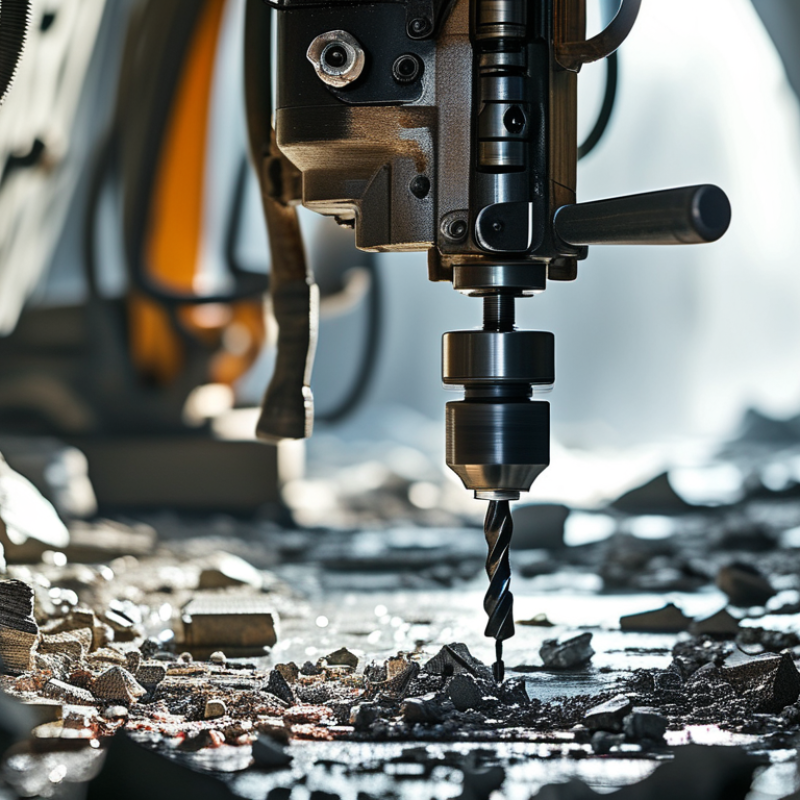
What is the Difference Between Air Leg Drill and Stoper Drill?

Comparison of Air Leg Drill and Stoper Drill

When comparing the air leg drill and the stoper drill, understanding their applications is crucial. The air leg drill is commonly used for drilling in hard rock formations. It operates with a unique air-powered mechanism, allowing for effective penetration. Conversely, the stoper drill is ideal for vertical drilling in narrow spaces. It is lighter and often more maneuverable, which helps in tight areas.

Both drills have their strengths and weaknesses. The air leg drill provides power but may require more physical effort from the operator. On the other hand, the stoper drill offers agility but may compromise on depth. Each tool serves specific needs in various geological conditions. It's essential to balance efficiency with safety. Operators should reflect on the working environment and their level of experience when choosing between these tools. Understanding the subtleties of each can lead to better outcomes in the field.

Design and Mechanism of Air Leg Drill

The air leg drill is a remarkable innovation in the mining sector. Its design relies on a pneumatic system that drives the drill bit into hard surfaces. This drill is particularly effective in underground mining operations. According to a report by the International Council on Mining and Metals, pneumatic tools can increase drilling efficiency by up to 30%. The air leg's mechanism allows for better maneuverability in tight spaces, making it a valuable asset for miners.

In contrast, the stoper drill also serves a similar purpose but operates using different principles. Stopers typically are lighter and easier to handle, providing flexibility in vertical drilling applications. However, they might not perform as efficiently in challenging rock formations. Studies indicate that stoper drills may be less effective in hard rock environments, leading to increased downtime during operations. This distinction highlights the importance of choosing the right tool for the job.

The design features of the air leg drill include a unique suspension system that absorbs vibrations, enhancing user comfort. Yet, there are concerns about the maintenance of these systems. Over time, wear and tear can impact performance. Regular inspections are crucial to ensure reliable operation. Investing in training and proper equipment care can mitigate some of these challenges. Understanding these details can ultimately lead to safer and more productive drilling operations.

Design and Mechanism of Stoper Drill

The Stoper Drill features a unique design tailored for drilling operations. Its mechanism allows for precise and efficient drilling in hard rock formations. Unlike traditional drills, the Stoper Drill uses a reciprocating motion, which creates a pounding effect. This helps in breaking rock more effectively.

One key element of the Stoper Drill is its piston-driven action. As air is compressed, it forces the piston to move up and down. This movement translates into the drill bit's rapid impact on the rock surface. Operators appreciate its ability to reach deep holes and tight spaces, making it versatile. However, the drill's maintenance can be complex, requiring regular checks on the air supply and piston wear.

Tips for using the Stoper Drill effectively include checking air pressure levels before operation. Ensure the drill bit is sharp for optimal performance. Regularly inspect the gaskets and seals to prevent air leaks. Remember, proper training is essential. It can be tempting to rush, but safety should always come first to avoid accidents.

Applications and Use Cases for Each Drill

Air leg drills and stoper drills serve distinct purposes in construction and mining. Air leg drills are commonly used in tunneling or quarrying applications. They are lightweight and ergonomic, allowing for more precise drilling in tight spaces. Additionally, these drills can be powered by compressed air, making them portable.

In contrast, stoper drills excel in horizontal drilling tasks. Their design enables efficient rock drilling at various angles. Commonly seen in underground mines, stoper drills can handle tougher materials. This versatility makes them essential for removing ore efficiently.

Tips: Always assess the rock conditions before choosing a drill. This will ensure optimal performance and reduce tool wear. Ensure proper maintenance of both drill types. Regular checks can prolong their lifespan.

While both drills have specific applications, choosing the right one can be challenging. Sometimes, users may overlook the rock type or drill capabilities, leading to inefficiencies. Keep in mind that understanding your work environment is crucial for success. Always engage with professionals when uncertain about your options.

Comparison of Air Leg Drill and Stoper Drill

Advantages and Disadvantages of Air Leg and Stoper Drills

Air leg drills and stoper drills are essential tools in mining and construction. Both serve similar purposes but differ significantly in operation and design. Understanding their advantages and disadvantages can guide you in choosing the right tool for specific tasks.

Air leg drills are known for their versatility and user-friendly design. They are lighter and more portable, making them ideal for tight spaces. Their pneumatic operation allows for efficient drilling. However, their performance can be affected by air pressure variations. Stoper drills, on the other hand, are robust and suited for hard rock applications. They provide higher power but are heavier and less mobile. This can make them challenging to use in confined areas.

Tips: When using air leg drills, ensure the air compressor is functioning optimally. Regular maintenance can prevent downtime. For stoper drills, pay attention to weight distribution. A balanced approach can enhance stability during operation.

Another point to consider is the environment in which each drill operates best. Air leg drills excel in softer materials while stoper drills thrive in harder rock formations. Evaluating your specific drilling requirements will ultimately lead to more efficient work. Инexperience can lead to misjudgment, so always explore various options before finalizing your choice.

What is the Difference Between Air Leg Drill and Stoper Drill? - Advantages and Disadvantages of Air Leg and Stoper Drills

Feature Air Leg Drill Stoper Drill
Power Source Compressed air Portable electric motor
Weight Lighter Heavier
Drilling Depth Moderate Deep
Mobility High mobility Limited mobility
Versatility Good for various tasks Primarily for stope drilling
Maintenance Lower maintenance Higher maintenance
Noise Level Louder Quieter

FAQS

: What is the unique design feature of the Stoper Drill?

: The Stoper Drill has a design that allows for precise drilling, especially in hard rock formations.

How does the Stoper Drill operate differently from traditional drills?

It uses a reciprocating motion that creates a pounding effect, breaking rock more effectively.

What is responsible for the Stoper Drill's impact on the rock surface?

A piston-driven action compresses air, moving the piston up and down, which drives the drill bit.

What should operators do before using the Stoper Drill?

Operators should check air pressure levels and ensure the drill bit is sharp for best performance.

What maintenance is required for the Stoper Drill?

Regular checks on the air supply and piston wear are essential to ensure optimal functionality.

What are the advantages of air leg drills?

Air leg drills are lighter, more portable, and great for tight spaces, increasing their versatility.

What are disadvantages of using air leg drills?

Their performance can be affected by variations in air pressure, limiting their effectiveness.

How does the performance of stoper drills compare to air leg drills?

Stoper drills provide more power for hard rock but are heavier and less mobile than air leg drills.

What happens if a user rushes using these drills?

Rushing can lead to accidents; safety and proper training should always be prioritized during operations.

Why is it important to evaluate the drilling environment?

Different drills work best in specific materials, and wrong choices can waste time and efforts on the field.

Conclusion

In examining the question, "What is the difference between an air leg drill and a stoper drill?", it becomes clear that these two types of drilling equipment serve distinct purposes and possess unique design characteristics. The air leg drill is characterized by its lightweight construction and portability, making it suitable for mining applications that require flexibility. In contrast, the stoper drill is typically more robust and designed for high-efficiency horizontal drilling in harder rock formations.

Each drill has its applications, with the air leg drill excelling in narrow and confined spaces, while the stoper drill is preferred for larger scale operations where power and durability are essential. Both drills have their advantages and disadvantages; for instance, the air leg drill offers ease of use and maneuverability, whereas the stoper drill delivers higher productivity at the cost of weight and complexity. Understanding these differences helps in selecting the appropriate tool for specific drilling tasks.

Ethan

Ethan

Ethan is a seasoned marketing professional with a deep expertise in our company's innovative product line. With a passion for sharing knowledge and insights, he takes the lead in regularly updating our corporate blog, where he explores industry trends, product features, and effective marketing......