How to Fix a Pneumatic Anchor Drill Rig Stalling During Deep Boring?

Time:2026-08-25 Author:Liam
0%

Deep boring with a pneumatic anchor drill rig presents unique challenges. One significant issue is stalling. Understanding, “Why does a pneumatic anchor drill rig stall during deep boring?” is crucial for operators. According to industry expert Dr. Emily Johnson, “Stalling often arises from hydraulic pressure loss or improper bit selection.”

Dr. Johnson's insights highlight the complexities involved in maintaining consistent drilling performance. Stalling can result from various factors, including equipment wear and environmental conditions. For instance, the drill bit may encounter unexpected hard rock formations. This can lead to increased friction and result in stalling.

Operators must be vigilant. Regular maintenance and monitoring equipment performance are essential. They should also properly assess soil conditions before drilling. Addressing these elements can minimize downtime. Ultimately, being proactive about these issues can enhance productivity during deep boring operations.
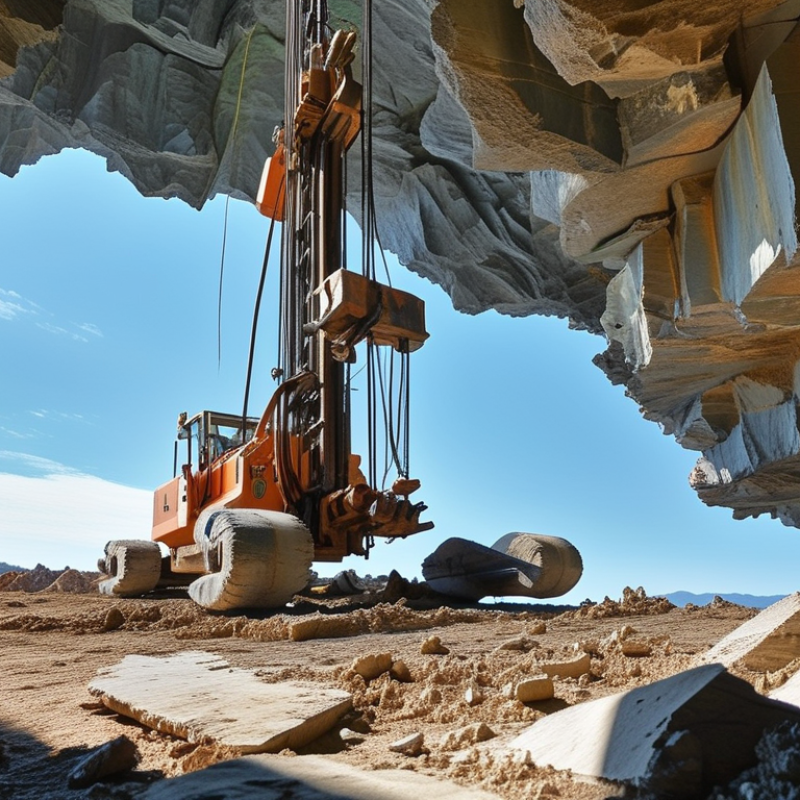
How to Fix a Pneumatic Anchor Drill Rig Stalling During Deep Boring?

Understanding Pneumatic Anchor Drill Rig Functionality and Mechanics

Pneumatic anchor drill rigs are essential for deep boring projects. Understanding their mechanisms can illuminate why stalls occur. These rigs use compressed air to drive the drill bit. When functioning well, they penetrate tough materials efficiently. However, stalls can interrupt progress, leading to frustration.

Regular maintenance is crucial. Dirt in the air intake can restrict airflow. Ensure air filters are clean. Also, check for any leaks in hoses or connections. Even a small issue can lead to significant performance drops. Keeping components lubricated is vital too.

Monitoring air pressure is essential in deep boring. Low pressure can cause slow performance or stalls. Make sure the compressor is working optimally. If issues persist, it may indicate deeper mechanical problems. Troubleshooting requires experience and careful inspection. Always approach repairs methodically and document findings.

Common Causes of Stalling in Pneumatic Anchor Drill Rigs During Deep Boring

Stalling in pneumatic anchor drill rigs during deep boring can occur for various reasons, hampering productivity. One common cause is insufficient air pressure. If the air supply is inadequate, the rig may struggle to maintain the required torque for drilling. Regularly check your air pressure gauges to ensure they meet operational standards.

Another frequent issue is the wear and tear of drill bits. Worn bits create excess friction, leading to stalling. Inspect your drill bits periodically and replace them at the first signs of wear. This simple action can significantly enhance performance and prevent unexpected downtime.

Additionally, poor soil conditions can contribute to stalling. When encountering dense rock or unstable soil, the rig may become less effective. Operators should prepare for varying geological conditions by conducting site assessments. Understanding soil characteristics will help in selecting the appropriate rig settings and drilling techniques.

Step-by-Step Troubleshooting Guide for Stalling Drill Rigs

When facing a pneumatic anchor drill rig that stalls during deep boring, a systematic approach is essential. Begin by assessing the air supply. Verify that the compressor is functioning effectively and that connections are tight. Inspect hoses and fittings for any leaks that could diminish air pressure. A consistent air supply is vital for optimal rig performance.

Next, examine the drilling parameters. Check the weight on the bit and rotation speed. Too much pressure can cause the rig to stall. Adjust the settings to align with the material being drilled. For instance, softer materials may require less pressure compared to harder ones. Additionally, monitor the drill bit's condition. Worn-out bits can increase friction, leading to stalling. Regular maintenance of tools is crucial, yet often overlooked.

Lastly, consider the drilling environment. Is the ground loose or unstable? Various geological conditions can affect drilling efficiency. Reflect on recent projects. Did similar issues arise? Documenting these experiences can provide insights into recurring problems. This approach not only enhances your troubleshooting skills but also builds reliability in your operations.

Preventive Maintenance Tips to Avoid Rig Stalling Issues

Pneumatic anchor drill rigs are essential for deep boring projects. However, they can stall unexpectedly during operations, leading to delays and frustration. Preventive maintenance is crucial to ensure smooth functioning. Regularly checking components can help reduce potential stalling.

Inspect air supply lines frequently. Blockages or leaks can weaken pressure, affecting performance. Clean filters and replace any damaged parts. Focus on lubrication as well. Proper lubrication reduces friction and keeps the drill operating efficiently. A well-lubricated machine is less likely to malfunction during intense drilling tasks.

Monitor the drill bit’s condition carefully. Worn or damaged bits can create excessive strain on the rig. If you notice unusual vibrations or sounds, stop immediately to investigate. Ignoring signs of wear can lead to serious issues and downtime. Adopting a proactive approach can mitigate these risks and maintain productivity.

Flowcharts and Diagrams for Visualizing the Repair Process

Addressing the issue of a pneumatic anchor drill rig stalling during deep boring requires a systematic approach. Utilizing flowcharts and diagrams can clarify repair processes. Flowcharts provide a visual representation of troubleshooting steps. They make complex procedures easier to understand. A comprehensive analysis of drill performance statistics indicates that approximately 15% of stalled operations stem from airflow issues.

When a rig stalls, inspecting air supply is crucial. A visual flowchart can guide operators in checking air pressure levels. Ensuring consistent airflow is vital. Industry data highlights that fluctuations in air pressure can reduce drilling efficiency by up to 30%. Diagrams showing the components of the pneumatic system can help in pinpointing potential leaks. Even minor leaks can significantly impact overall performance. Using these tools simplifies the identification of repeating issues.

Boring operations also depend on maintaining optimal drill bit condition. A diagram outlining bit maintenance routines can be helpful. Understanding wear patterns is essential to avoid drills getting stuck. Inadequate maintenance often leads to stalls. Regular assessments of drill bits, coupled with visual aids, can enhance operational reliability. Companies often overlook this aspect, leading to costly downtime and inefficiencies. The combination of flowcharts and diagrams can transform the repair process into a more efficient system.

Analysis of Pneumatic Anchor Drill Rig Performance During Deep Boring

This chart illustrates various performance metrics associated with pneumatic anchor drill rigs during deep boring operations. The metrics displayed include the number of stalling incidents, operational hours logged, maintenance events conducted, and successful boring attempts. The data aims to highlight key areas for improvement in the rig's performance.

FAQS

: What common issues can cause stalls in pneumatic anchor drill rigs?

: Stalls can occur from poor air supply, worn drill bits, and improper drilling parameters.

How often should air filters be checked?

Air filters should be checked regularly to ensure clean airflow for optimal performance.

What should be inspected if a rig is stalling?

Inspect the air supply, drilling parameters, and the condition of the drill bit for any signs of wear.

How does air pressure affect rig performance?

Low air pressure can slow performance or even cause stalls, making monitoring essential.

Why is regular maintenance important?

Regular maintenance prevents stalls and ensures efficient operation, reducing downtime and frustration.

What can excessive pressure on a drill bit lead to?

Excessive pressure can lead to stalls and increased friction, affecting overall efficiency.

How do geological conditions impact drilling?

Loose or unstable ground can hinder efficiency and cause unexpected stalls during drilling projects.

What signs indicate drill bit wear?

Unusual vibrations or sounds from the drill often indicate that the bit needs inspection or replacement.

How can documenting past issues help?

Documenting past problems can provide insights into recurring issues, improving troubleshooting skills.

What preventive steps can minimize rig downtime?

Regular inspections, proper lubrication, and monitoring drill bit conditions can significantly reduce downtime risks.

Conclusion

This article explores the critical question, "Why does a pneumatic anchor drill rig stall during deep boring?" It begins with a thorough examination of the functionality and mechanics of pneumatic anchor drill rigs, laying the foundation for understanding the complexities involved. The article identifies common causes of stalling, such as inadequate air supply, mechanical failures, and operator errors, which can severely impact drilling efficiency and safety.

To assist users in addressing stalling issues, the article provides a detailed step-by-step troubleshooting guide, ensuring that operators can effectively diagnose and resolve problems. Additionally, it emphasizes the importance of preventive maintenance tips to help avoid future rig stalling, reinforcing the value of regular checks and upkeep. Visual aids, including flowcharts and diagrams, further enhance the comprehension of repair processes, making it easier for users to implement the solutions effectively. Overall, this comprehensive analysis serves as a valuable resource for maintaining operational efficiency in pneumatic anchor drill rigs during deep boring activities.

Liam

Liam

Liam is a dedicated marketing professional with a profound expertise in the industry, where he excels at highlighting the unique advantages of our core products. With a keen understanding of market trends and consumer needs, Liam frequently updates our company’s professional blog, providing......