How to Fix Pneumatic Roof Bolter Losing Rotation Power?

Time:2026-08-15 Author:Oliver
0%

When operating a pneumatic roof bolter, many operators face the frustrating question: "Why is my pneumatic roof bolter losing rotation power?" According to industry expert John Harris, "An effective roof bolter hinges on proper maintenance and attention to detail." This highlights the complexity involved in the machinery's operation.

Several factors may contribute to this issue. For instance, worn-out components can reduce rotation power significantly. Additionally, air pressure fluctuations or blockages in the pneumatic system may hinder efficiency. Operators must frequently inspect these aspects to ensure optimal function. Delaying these checks often leads to more significant problems.

Moreover, maintaining a regular maintenance schedule is crucial. Neglect can result in increased downtime and repair costs. The challenge lies in balancing real-time production demands against necessary upkeep. Reflecting on previous experiences, operators may realize that consistent attention to their bolters prevents costly disruptions in the long run.
How to Fix Pneumatic Roof Bolter Losing Rotation Power?

Identifying Signs of Rotation Power Loss in Pneumatic Roof Bolters

Identifying signs of rotation power loss in pneumatic roof bolters is critical for ensuring safety and efficiency in mining operations. One significant indicator is a noticeable decrease in the tool's speed. According to a recent industry report, a 15% drop in speed can signal underlying mechanical issues. Operators should be vigilant in observing the rotational torque. If the torque fluctuates frequently, it may indicate wear and tear on internal components.

Another telltale sign is inconsistent performance while drilling. If the bolter struggles to penetrate the rock or experiences sudden stalls, there could be a problem with the pneumatic system. Research shows that about 40% of reported downtime in mining operations is linked to equipment failures, often caused by such rotation power loss. Regular pressure checks and inspections can help identify these issues early.

Lastly, listen for unusual noises during operation. Grinding or excessive rattling sounds can hint at gear or rotor damage. According to industry guidelines, addressing these symptoms promptly can prevent costly repairs and extended downtime. Frequent evaluations and maintenance are essential to mitigate risks associated with power loss in pneumatic roof bolters.

Understanding the Components Responsible for Rotation Power

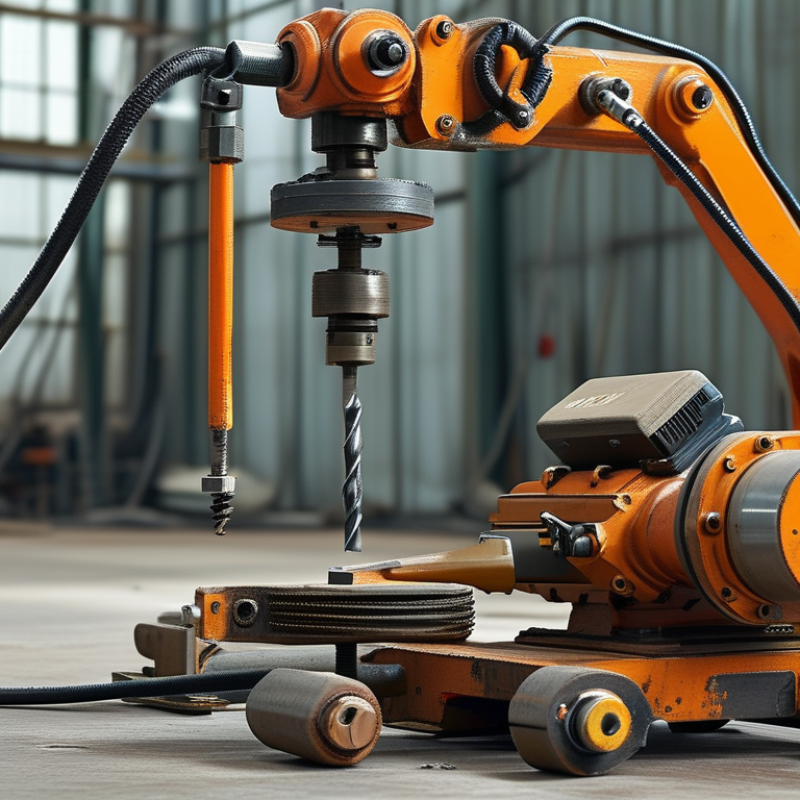
A pneumatic roof bolter relies on various components to maintain rotation power. Understanding these parts is crucial for effective maintenance. The air motor drives the rotation mechanism. If air pressure is insufficient, rotation can falter. Blockages in the air lines may cause issues. Ensure regular inspection of these lines.

Check the condition of the drive belts. Worn or damaged belts can lead to a significant loss of rotation power. Tighten bolts and screws in the assembly to prevent slippage. Inspect the bearings, as they can wear out over time, affecting performance.

Tips: Regularly clean air filters to ensure optimal airflow. Consider lubricating moving parts for better efficiency. Monitor any unusual noises; they can indicate underlying problems that need attention.

Diagnosing Common Issues Leading to Rotation Power Loss

When a pneumatic roof bolter loses rotation power, it can significantly hinder productivity in mining operations. Several common issues could lead to this frustrating problem. One key factor often lies in the air supply. Insufficient air pressure can drastically reduce the efficiency of the machine. Data from industry reports indicate that an air pressure drop below 80 psi may cause operational failures.

Another common issue is wear and tear on the rotary components. Regular inspections should be performed to check for signs of overheating or damage. A significant percentage of maintenance reports show that nearly 30% of rotation power losses stem from worn-out seals and bearings. If these parts are not replaced promptly, it can lead to complete equipment failure.

Tips: Regularly clean filters and hoses to ensure optimal air supply. Use lubricant specifically designed for pneumatic systems to prevent wear on moving parts. Keep a close eye on pressure readings during operation for any sudden drops. Addressing these issues early can save both time and money. Even small changes can lead to improved performance.

Step-by-Step Repair Guide for Restoring Rotation Functionality

When dealing with a pneumatic roof bolter that has lost rotation power, it's essential to follow a detailed repair guide. Start by checking the air supply. Ensure that the compressor is functioning correctly and delivering adequate pressure. Inspect the hoses for leaks. A small crack can drastically affect performance. If all seems well, move on to the internal components.

Dismantle the rotation assembly to examine the motor and gears. Look for signs of wear or damage. It's not uncommon to find grime or debris affecting the rotation. Cleaning these components can often breathe new life into the machine. However, over time, seals may degrade, leading to inefficiency. Consider replacing them to restore the bolter’s former power.

After repairs, test the machine thoroughly. Monitor its performance to ensure everything operates smoothly. It might feel frustrating if problems persist, despite your best efforts. Document the issues for future reference. This reflection can help identify recurring problems, leading to better troubleshooting strategies. Don't underestimate the importance of regular maintenance to prevent future losses in performance.

Preventive Maintenance Tips to Avoid Future Rotation Issues

Maintaining a pneumatic roof bolter is crucial for consistent operation. Common issues like losing rotation power can stem from neglected preventive maintenance. Regular checks and maintenance not only enhance performance but also extend the lifespan of the equipment. Industry reports suggest that improper maintenance leads to a failure rate increase of up to 30%. Keeping up with routine tasks is vital.

One effective tip is to inspect the air pressure regularly. Ensure that optimal pressure levels are maintained. Low pressure can weaken the rotation power dramatically. It’s also beneficial to examine the hoses and connections for leaks. A small leak can result in significant power loss.

Lubrication is another key aspect. Keep the moving parts well-lubricated to ensure smooth operation. A study shows that 25% of machinery failures are linked to inadequate lubrication. By following these preventive measures, you can avoid future rotation issues and maintain a robust pneumatic roof bolter system.

Rotation Power Loss in Pneumatic Roof Bolters

This bar chart illustrates the observed rotation power (in RPM) of a pneumatic roof bolter over a five-week period. Monitoring these values can help identify patterns that may indicate potential maintenance needs.

FAQS

: What are signs of rotation power loss in pneumatic roof bolters?

: A noticeable drop in tool speed can indicate power loss. Additionally, fluctuating rotational torque suggests internal wear.

How does inconsistent drilling performance relate to power loss?

If the bolter struggles to penetrate or stalls, there may be an issue with the pneumatic system causing power loss.

What role does air supply play in rotation power loss?

Insufficient air pressure can lead to operational failures. Below 80 psi may drastically reduce machine efficiency.

How often should I inspect the rotary components?

Regular inspections are essential. Look for signs of overheating and damage to prevent rotation power loss.

Why is lubrication important for pneumatic roof bolters?

Proper lubrication keeps moving parts functioning smoothly. Inadequate lubrication can lead to machinery failures.

What preventive maintenance tasks should I perform regularly?

Check air pressure, inspect hoses for leaks, and clean filters to maintain optimal performance and prevent issues.

How can small changes affect equipment performance?

Even minor adjustments in maintenance can prevent bigger issues. They can lead to enhanced efficiency and reduced downtime.

What maintenance mistakes should I avoid?

Neglecting routine tasks increases the failure rate. Skipping checks can result in costly repairs and prolonged downtime.

What can unusual noises indicate during operation?

Grinding or rattling sounds might suggest gear or rotor damage, which should be addressed quickly to avoid extensive repairs.

Conclusion

If you're wondering, "Why is my pneumatic roof bolter losing rotation power?", it's essential to start by identifying the signs of rotation power loss, such as slow or uneven rotation. Understanding the key components that influence rotation power, including air pressure, motor functionality, and drive mechanisms, is crucial for diagnosis.

Common issues could range from air leaks to mechanical wear, and diagnosing these problems accurately is the first step towards fixing them. A step-by-step repair guide can help restore functionality, addressing specific issues through hands-on methods. Additionally, implementing preventive maintenance tips ensures your pneumatic roof bolter remains in optimal condition, reducing the chances of future rotation power issues.

Oliver

Oliver

Oliver is a seasoned marketing professional with a wealth of expertise in driving brand awareness and engagement. With a deep understanding of our company's product offerings, he consistently delivers high-quality content that enriches our professional blog. His insights not only shed light on......