How Often to Lubricate Your Underground Pneumatic Rock Drill?

Time:2026-08-30 Author:Sienna
0%

Lubrication is crucial for maintaining the efficiency of underground pneumatic rock drills. These powerful tools face extreme conditions and heavy workloads. Studies indicate that proper lubrication can enhance their lifespan by up to 40%. However, users often overlook the vital question: "How often should you lubricate an underground pneumatic rock drill?"

In practice, many operators choose a routine that is too infrequent, risking equipment failure. The American Society of Mechanical Engineers (ASME) advises daily checks, especially in demanding environments. Despite these guidelines, equipment operators frequently grapple with the balance between productivity and maintenance. Regular lubrication not only prevents wear but also maximizes drilling performance. For example, a well-lubricated drill can achieve 15% more efficiency.

Yet, there remains uncertainty in optimal lubrication intervals. Factors such as temperature, dust, and usage intensity complicate the decision. It’s essential to tailor maintenance schedules to specific operational conditions. A deeper understanding and commitment to lubrication practices can significantly impact operational success. Consider these aspects carefully to protect your investments.
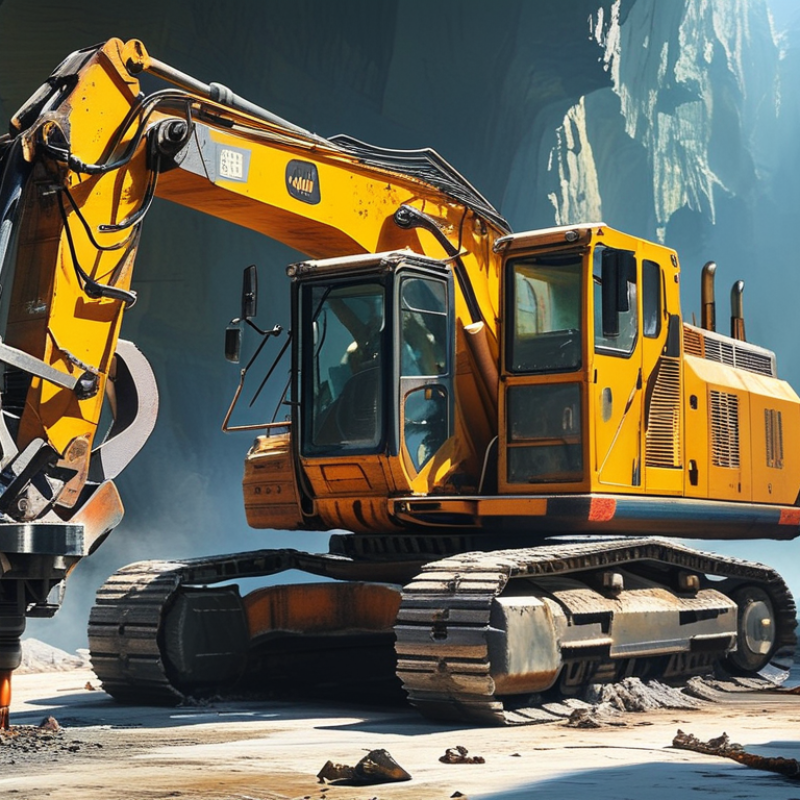
How Often to Lubricate Your Underground Pneumatic Rock Drill?

Factors Influencing Lubrication Frequency for Pneumatic Rock Drills

Lubricating your underground pneumatic rock drill is vital for optimal performance. Several factors influence how often this maintenance should occur. One key factor is the working environment. Dusty and wet conditions can increase wear and tear on the drill. Research indicates that in harsh environments, lubrication should happen every 8 hours of use. In contrast, when working in cleaner conditions, extending this to every 16 hours may suffice.

Another important consideration is the drill's operational load. Drills working at higher pressures or on more challenging rock formations require increased lubrication. According to industry reports, drills under high-load conditions can see a significant reduction in lifespan without adequate lubrication. The frequency of lubrication can also depend on the type of lubricant used and its properties. Not all lubricants perform equally under stress, so understanding the specifications is crucial. This knowledge helps in determining the right intervals for your equipment.

Monitoring the drill’s performance is essential. If machines overheat or show unusual wear patterns, it may signal inadequate lubrication. A proactive approach is better than waiting for breakdowns. Regular assessments help in refining lubrication strategies over time. This ongoing evaluation ensures drills operate efficiently, minimizing downtime and maintenance costs.

How Often to Lubricate Your Underground Pneumatic Rock Drill?

This chart illustrates the recommended lubrication frequency for underground pneumatic rock drills based on user practices. The majority of users lubricate daily, followed by weekly and bi-weekly. Proper lubrication ensures optimal performance and longevity of the equipment.

Recommended Lubrication Schedule Based on Usage Intensity

Lubricating your underground pneumatic rock drill is essential for optimal performance. A recommended schedule should align with the intensity of usage. For light-duty operations, lubricate every two weeks. If the drill is used daily and in tougher conditions, weekly lubrication is ideal. This ensures that internal components remain protected from wear and tear.

Besides frequency, using the right amount of lubricant is crucial. Too little can lead to overheating, while too much might cause excessive buildup. Pay attention to the drill’s noise and vibration levels. If they increase, it may signal a lubrication issue. Regular inspections are just as important as lubrication. They help catch potential problems early, which is sometimes overlooked.

Remember that every drilling operation is different. Environmental factors, like dust and humidity, may affect lubrication intervals. Regular adjustments based on actual conditions can promote longevity. Finding the right balance may take time and experience. Reflect on your practices and be willing to adapt for better results.

Types of Lubricants Suitable for Underground Pneumatic Rock Drills

When selecting lubricants for underground pneumatic rock drills, consider various factors. The right lubricant enhances performance and extends the equipment's lifespan. Common types include oil-based and grease-based products. Oil-based lubricants are preferred for their ability to penetrate and provide consistent lubrication. They help in reducing wear, especially in high-friction areas.

On the other hand, grease-based lubricants offer superior adhesion to surfaces. This can be crucial in a mining environment where dust and debris are prevalent. However, greases may not flow as freely as oils, which could lead to buildup over time. It’s essential to regularly check and reapply the lubricant based on your operational needs.

Understanding the environmental conditions plays a key role in lubricant selection. High humidity or variations in temperature can affect the performance of lubricants. Assess the specific requirements of your rock drill to make an informed choice. Always remember that improper lubrication can lead to equipment failure, so the decision should not be rushed.

Signs Indicating the Need for Lubrication or Maintenance

Underground pneumatic rock drills are crucial tools in mining and construction. Proper lubrication ensures they function efficiently. Signs that indicate the need for lubrication include unusual noise, increased vibration, or decreased performance. According to the International Journal of Mining Science and Technology, neglecting lubrication can reduce tool lifespan by up to 50%. Regular checks are vital to avoid unexpected breakdowns.

Frequent inspections are necessary. If the drill feels hotter than usual, it could signal insufficient lubrication. Dust and debris accumulation can also affect performance. Maintaining clear airways and ensuring fresh lubricant can mitigate these issues. A survey by the Mining Industry Council found that 70% of equipment failures are linked to poor maintenance practices.

Documenting lubrication intervals can guide you. If you notice excessive wear on components, reevaluate your maintenance schedule. It’s beneficial to learn from previous mistakes. Each drill may have specific needs based on usage and conditions. Relying on general guidelines is not always effective in every situation. Understanding your equipment's unique requirements is key.

How Often to Lubricate Your Underground Pneumatic Rock Drill? - Signs Indicating the Need for Lubrication or Maintenance

Frequency of Lubrication Signs Indicating Need for Lubrication Maintenance Tips
Every 40 operational hours Increased noise during operation Check lubrication points before use
After every major drill session Visible wear on moving parts Inspect seals and gaskets
Weekly in high-use conditions Decreased performance or speed Clean the air intake filters regularly
Monthly Excessive heat generation Replace old lubricant with a suitable type
Before long-term storage Rust or corrosion on machine parts Apply protective lubricants

Best Practices for Applying Lubricants to Pneumatic Equipment

Lubricating underground pneumatic rock drills is essential for their efficiency and longevity. Proper lubrication reduces friction, minimizes wear, and prevents overheating. Research indicates that pneumatic tools can lose up to 20% of their efficiency without adequate lubrication. However, the application of the right lubricant must be executed with care.

Best practices involve using the manufacturer's recommended lubricants, ensuring they are designed for high-pressure and high-temperature operations. Regular intervals for lubrication should ideally align with the tool’s usage frequency. For most applications, lubricating every 8 hours of operation is standard. Adjustments may be necessary based on site-specific conditions like dust, moisture, or temperature extremes. Operators must also monitor the lubricant levels visually, as some can become contaminated over time.

Environmental considerations also come into play. Excessive lubrication can lead to spills, affecting surrounding ecosystems. Data suggests that the oil content in drill holes impacts groundwater quality; managing lubricant application can mitigate this issue. Regular technician training on lubrication practices can enhance knowledge and reduce mistakes. A proactive approach can significantly improve equipment performance while minimizing environmental risks.

FAQS

: What types of lubricants are suitable for underground pneumatic rock drills?

: Oil-based and grease-based lubricants are common. Oil penetrates well, while grease offers better adhesion.

How often should lubricants be checked and reapplied?

Check lubricants regularly based on operational needs. Daily checks are no harm if conditions change.

What signs indicate that lubrication is needed?

Look for unusual noise, increased vibrations, or decreased performance. Heat is another warning sign.

What factors affect lubricant performance?

Humidity, temperature, and dust levels impact how well lubricants work. Assess conditions to choose wisely.

Can poor lubrication really affect equipment lifespan?

Yes, neglecting lubrication might reduce tool lifespan by 50%. Regular maintenance checks are essential.

How frequently should lubricants be applied during operations?

Generally, lubricating every 8 hours of use is recommended. Adjust based on specific site conditions.

What are the risks of excessive lubrication?

Too much lubricant can cause spills, harming ecosystems. Balance is crucial for both performance and environment.

Why is it important to document lubrication intervals?

Recording intervals helps track maintenance. It can reveal patterns that lead to better practices.

Should different drills have unique lubrication needs?

Yes, each drill may require specific attention due to its usage and operational conditions, not just general rules.

How can training improve lubrication practices?

Regular training enhances knowledge and reduces mistakes in lubrication. It leads to better equipment performance and longevity.

Conclusion

When considering how often should you lubricate an underground pneumatic rock drill, several factors come into play. These include the intensity of usage, the working environment, and the specific type of drill being used. A recommended lubrication schedule is often based on the frequency and intensity of operation, with more rigorous usage necessitating more frequent lubrication.

It's essential to select suitable lubricants designed for pneumatic equipment, as improper choices may lead to suboptimal performance. Signs indicating the need for lubrication or maintenance, such as unusual noise or decreased efficiency, should not be ignored. Finally, applying lubricants correctly is critical for maintaining optimal performance and longevity of the equipment. Following best practices will help ensure that the pneumatic rock drill functions efficiently and effectively in demanding underground conditions.

Sienna

Sienna

Sienna is a skilled marketing professional with a deep expertise in our company’s core products and services. With a passion for innovation and detail, she plays a pivotal role in crafting insightful blog posts that not only highlight the unique features of our offerings but also provide valuable......