
Pneumatic vs Hydraulic Anchor Drilling Rigs: Which Is Better?
The answer depends on ground conditions, hole diameter, and available energy.
Pneumatic rigs use compressed air to drive the drill motor and clear cuttings. They are rugged, mechanically simple, and useful where water management is difficult. Air-powered systems also tolerate some dust and vibration.
However, pressure falls through long hoses. The U.S. Department of Energy’s Compressed Air Sourcebook reports that leaks can waste 20–30% of compressor output. That loss becomes noise, heat, and fuel cost at the jobsite.
Pneumatic exhaust may also disturb dust without water injection or proper ventilation. Not ideal underground.
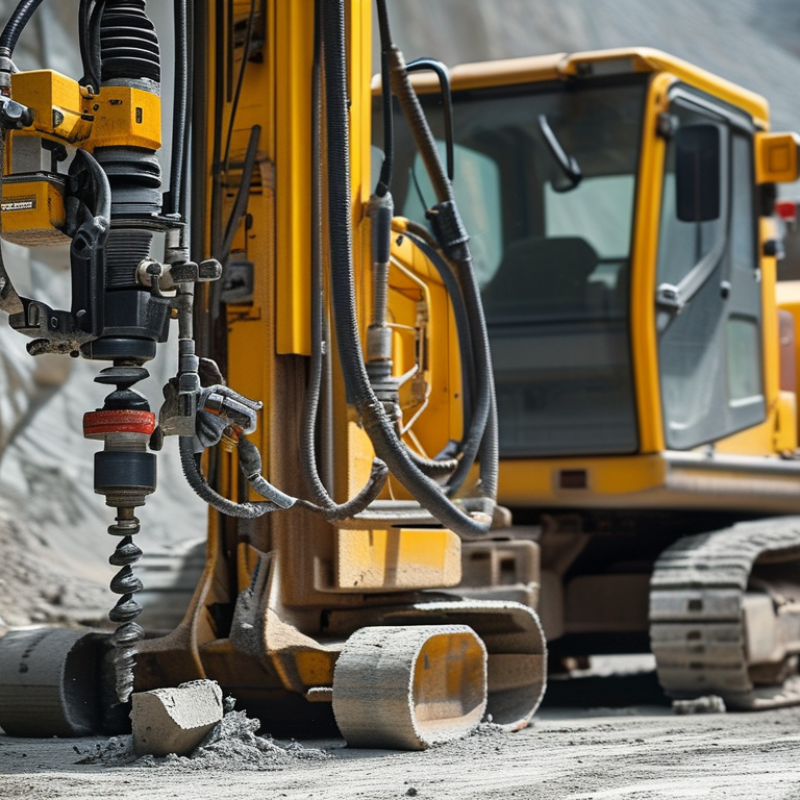
Hydraulic rigs transfer power through pressurized fluid. They usually deliver stronger torque, steadier feed force, and finer control in hard rock. That control can improve anchor alignment and reduce rod shock.
The National Fluid Power Association identifies contamination as a major cause of hydraulic failures, commonly associated with 70–80% of failures in industry guidance. Clean filters and temperature checks are essential.
Hydraulic systems are often more efficient at the drill head, but pumps, hoses, and coolers add weight and maintenance. It feels simple. It is not. A neglected hydraulic rig can perform worse than a well-maintained pneumatic unit.
Field records should compare penetration rate, compressor fuel use, hose losses, maintenance hours, and borehole deviation before choosing.
