In the complex world of underground mining, specialized equipment plays a vital role in enhancing efficiency and safety. One crucial tool in this environment is the jackleg drill. Experts in the field, such as Dr. Nathan Reed, a mining equipment specialist, emphasize its significance by stating, "The jackleg drill is essential for precise rock drilling in confined environments."
But what is a jackleg drill used for in underground mining? This equipment is designed for tasks like drilling blast holes and creating tunnels. Its versatile capability allows miners to tackle various rock types effectively. Moreover, the jackleg drill's design reduces the need for extensive ground support, contributing to safety. However, with its benefits, challenges exist. Operators need proper training to manage its power effectively.
In an industry where every detail matters, the jackleg drill exemplifies the intersection of technology and skill. Miners rely on this tool not just for its functionality, but as a pivotal aspect of their daily operations. Understanding this equipment's role uncovers deeper insights into underground mining practices.
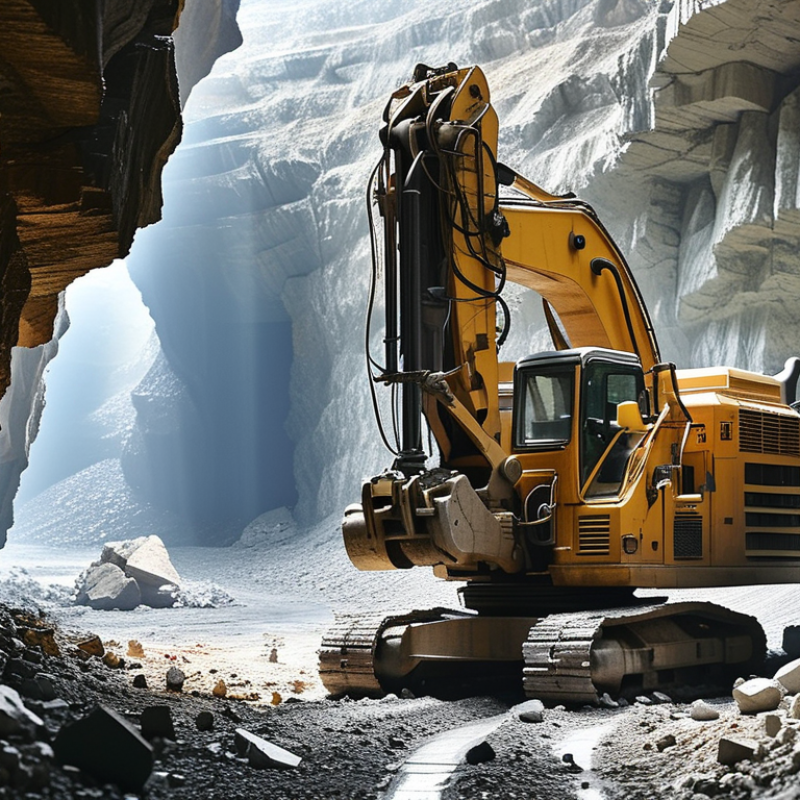
A jackleg drill is a vital tool in underground mining. This powerful piece of equipment is designed for drilling blast holes in hard rock formations. Unlike other drills, the jackleg drill is portable and can be easily maneuvered in narrow tunnels. It relies on compressed air to function, making it suitable for various mining conditions.
Operating the jackleg drill requires skill and experience. Miners must position the drill precisely to achieve effective drilling. Though it's efficient, it poses some challenges. For instance, if not handled correctly, it can cause excessive vibrations. This can lead to operator fatigue and affect precision. Safety measures are critical to mitigate these risks.
The design of the jackleg drill allows for flexibility. It can adjust to different angles and depths as needed. However, the weight can be cumbersome, making portability an issue in cramped spaces. Operators often need to be agile and aware of their surroundings to avoid accidents. A deep understanding of the equipment significantly enhances its effectiveness in the field.
This chart illustrates the key performance metrics of a jackleg drill used in underground mining. It highlights the drilling depth, speed, air consumption, and weight, showcasing the efficiency and capabilities of this essential mining tool.
Jackleg drills play a crucial role in underground mining operations. These portable drilling machines are designed for versatility and efficiency in a variety of rock conditions. One key feature of jackleg drills is their pneumatic power, which allows them to perform effectively in harsh environments. These drills can easily penetrate hard rock, making them indispensable for tunneling and surface excavation.
Another distinctive aspect of jackleg drills is their ergonomic design. Operators can adjust the drill's height and angle to suit their working position, enhancing comfort and safety. Additionally, jackleg drills come equipped with a rotating drill steel, which allows for quick and easy bit changes. This flexibility is essential, as different projects may require specific drill bit types.
Despite their advantages, jackleg drills are not without challenges. Proper maintenance is critical to ensure optimal performance. Operators must regularly check for wear and tear to avoid breakdowns. Moreover, the need for skilled personnel to operate these drills cannot be overlooked. Training is vital to maximize the effectiveness of jackleg drills in mining operations. Understanding their limitations is just as important as recognizing their strengths.
Jackleg drills are pivotal in underground mining operations. These versatile machines facilitate the drilling of rock for various purposes, including blasting and exploratory tasks. According to the National Institute for Occupational Safety and Health (NIOSH), approximately 50% of mine injuries involve hand tools, underscoring the importance of effective equipment use and safety protocols.
In operational settings, jackleg drills serve a range of applications. They can be used for drilling holes for explosives, bolting, and ground support installations. An estimate from the Mining Industry Data Archive indicates that about 30% of drilling in underground environments is completed using jackleg technology. This illustrates their efficiency and necessity within the mining sector. Drillers benefit from their mobility and adaptability in narrow working spaces.
Despite their advantages, challenges exist. The physical demands on operators can lead to fatigue and potential injuries. A study highlighted that nearly 40% of drill operators report musculoskeletal issues related to prolonged use. This emphasizes the need for regular training on ergonomics and safe drilling practices. It’s clear that while jackleg drills enhance productivity, focusing on operator well-being remains crucial for continuous improvement in mining safety.
Jackleg drills play a crucial role in underground mining operations. However, their usage comes with significant safety considerations that workers must prioritize. According to a report from the Mine Safety and Health Administration (MSHA), improper use of jackleg drills can lead to serious injuries and fatalities. This emphasizes the need for training and adherence to safety protocols. A significant percentage of accidents in mining involve equipment misuse, highlighting the importance of education regarding these tools.
When operating jackleg drills, miners should always wear appropriate personal protective equipment (PPE). This includes helmets, gloves, and hearing protection. The vibrations and noise generated from these drills can cause long-term health issues such as hearing loss or hand-arm vibration syndrome. Regular breaks are essential to mitigate these risks, as fatigue can lead to mistakes. Additionally, a well-maintained drill is less likely to malfunction and endanger the operator.
**Tip:** Always inspect the drill before use. Check for signs of wear and tear. Remember, safety is everyone's responsibility. A culture of safety can significantly reduce accidents. Encourage team discussions about safety protocols and share any near-misses to foster awareness among colleagues.
| Dimension | Details |
|---|---|
| Drilling Mechanism | Uses pneumatic energy to operate a rotating drill bit |
| Primary Use | Creating drill holes for blasting and ore extraction |
| Mobility | Portable and designed for confined underground spaces |
| Safety Considerations | Proper training and PPE are essential to prevent accidents |
| Maintenance | Regular inspections and maintenance to ensure safe operation |
| Operator Fatigue | Scheduled breaks to reduce fatigue and enhance safety |
Jackleg drills are essential tools in underground mining, primarily used for drilling blast holes in rock. Regular maintenance and care are crucial for optimal performance and safety. According to a report from the Mining Safety and Health Administration (MSHA), over 60% of jackleg drill-related accidents can be traced back to equipment malfunctions due to inadequate care.
Routine inspections should include checking the drill bits, air pressure, and hydraulic systems. A well-maintained jackleg drill boosts productivity by up to 30%. Dust collection systems need regular cleaning, too. Contaminants can lead to poor drilling efficiency and increased wear. Many miners overlook these tasks, leading to unforeseen breakdowns.
Operators must also be trained to recognize potential issues. Missing a small leak or unusual sound could result in costly repairs and safety hazards. The importance of record-keeping cannot be ignored. Documenting maintenance can reveal patterns and flag recurring issues. This systematic approach helps extend the life of the jackleg drill and improve workplace safety. Taking these steps is not just about performance; it’s about protecting lives underground.
: A jackleg drill is used for drilling blast holes in hard rock formations in underground mining.
It operates using compressed air, making it suitable for various mining conditions.
They are portable, versatile, and can easily penetrate hard rock.
Operators may experience vibrations, which can cause fatigue and affect precision.
Proper maintenance prevents malfunctions and boosts productivity, improving safety and performance.
Operators should check drill bits, air pressure, and hydraulic systems for effective operation.
Trained operators are better at recognizing issues, minimizing safety hazards and costly repairs.
Ergonomic designs allow height and angle adjustments, enhancing comfort and reducing injury risk.
Ignoring maintenance can lead to poor efficiency, increased wear, and unexpected breakdowns.
Keeping records of maintenance helps identify patterns and recurring issues for better management.
Jackleg drills are vital tools in the underground mining industry, primarily used for drilling holes in various rock formations. They enable efficient excavation and are characterized by their lightweight design, maneuverability, and the ability to operate in confined spaces. The key features of jackleg drills include adjustable drilling angles, various bit sizes, and hydraulic systems that enhance their performance in challenging mining conditions.
In terms of applications, jackleg drills are commonly used for tunneling, exploration drilling, and creating blast holes in ore bodies. However, safety considerations are paramount when operating these machines, as improper use can lead to accidents. Regular maintenance and care are essential for ensuring optimal performance and extending the life of the drill. In summary, understanding "what is a jackleg drill used for in underground mining?" reveals its essential role in streamlining the mining process while emphasizing the importance of safety and maintenance.
