Top 10 Tips for Adjusting Air Leg Rock Drill Feed Pressure?

Time:2026-07-21 Author:Oliver
0%

Adjusting the feed pressure on an air leg rock drill is crucial for optimal performance. According to industry reports from the International Society of Mining Engineers, incorrect feed pressure can lead to decreased drilling efficiency by up to 30%. Expert Michael Tan, a leading authority in drilling techniques, emphasizes, “Proper feed pressure is essential for maximizing the drill's potential.”

Balancing feed pressure not only affects drilling speed but also impacts tool longevity. For instance, too high a pressure can cause excessive wear, while too low can lead to poor penetration rates. Understanding how to adjust the feed pressure on an air leg rock drill is vital for professionals. There is a delicate balance that requires experience and knowledge.

Failures in pressure adjustment often stem from inadequate training or reliance on outdated practices. Workers must be aware of the specific conditions that affect their tools. Continuous improvement and adaptation to new methods are key elements in this industry. Collectively, these nuances highlight the importance of understanding how to adjust the feed pressure on an air leg rock drill effectively.
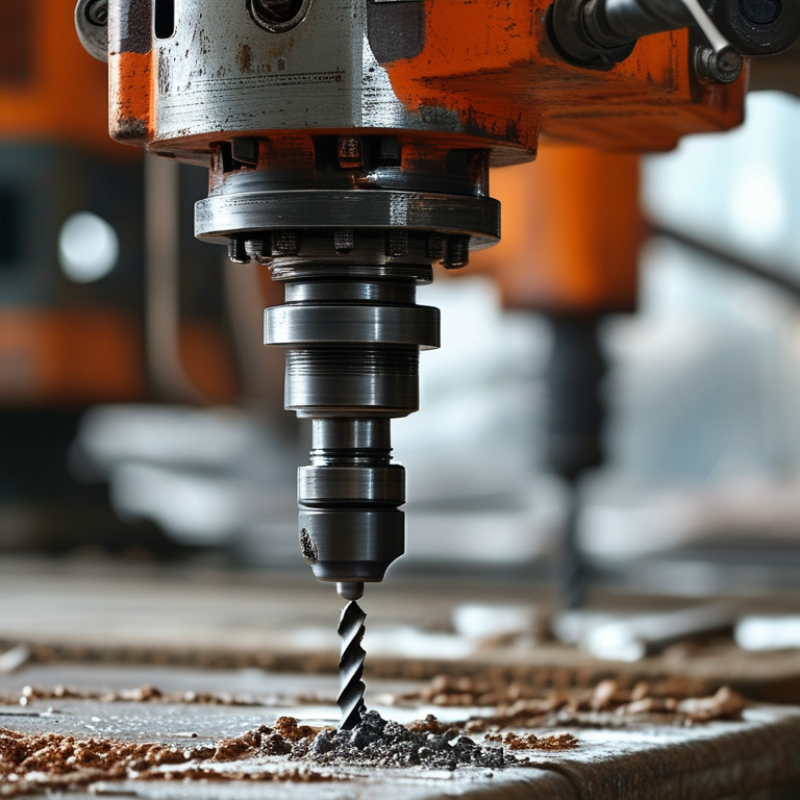
Top 10 Tips for Adjusting Air Leg Rock Drill Feed Pressure?

Understanding Air Leg Rock Drills and Their Feed Mechanism

Air leg rock drills are essential tools in mining and construction. Their unique feed mechanism allows precise drilling by adjusting feed pressure. Understanding this can enhance efficiency and safety in operations.

The feed mechanism operates by controlling the pressure of air supplied to the drill. Fine-tuning this pressure is crucial. Too little pressure results in slow drilling. Too much pressure can cause damage. Optimal settings depend on the material being drilled and the specific project requirements. Operators should be attentive and ready to adjust as conditions change.

Regular maintenance is also important. Inspecting the air supply system ensures consistent performance. Adverse conditions can lead to unexpected issues, making it vital to be adaptable. Operators should document any adjustments made, helping refine processes over time. It's a balance of experience and observation, leading to improved outcomes.

Top 10 Tips for Adjusting Air Leg Rock Drill Feed Pressure

This chart illustrates the optimal feed pressure settings for air leg rock drills, enhancing drilling efficiency and performance.

Importance of Adjusting Feed Pressure for Optimal Performance

Adjusting the feed pressure of an air leg rock drill is crucial for optimal performance. Proper feed pressure ensures efficient drilling and prolongs the life of the drill bit. When the pressure is too high, it can lead to rapid wear and tear. Conversely, too low pressure may result in insufficient penetration and increased operational time.

Monitoring the feed pressure regularly helps prevent issues. An experienced operator knows that small adjustments can make a significant difference. Understanding the rock type and the specific drilling environment is essential. For example, hard rock requires different pressure settings compared to softer materials. Not all drilling conditions are the same, leading to the need for ongoing evaluation.

Operators should also consider the impacts of wear on equipment. A worn drill bit can change the required pressure, prompting the need for adjustment. Over time, the effectiveness of even the best tools diminishes. It’s important to reflect on past drilling experiences and learn from them. Continuous improvement is vital in maintaining performance. You can often discover that a minor, incremental change leads to better results.

Top 10 Tips for Adjusting Air Leg Rock Drill Feed Pressure

Tip No. Tip Description Impact on Performance Optimal Pressure Range (psi)
1 Regularly check feed pressure settings. Ensures consistent drilling performance. 70-80
2 Adjust pressure based on rock hardness. Improves drill bit lifespan and effectiveness. 60-90
3 Monitor air consumption during operation. Indicates efficiency and performance issues. N/A
4 Maintain proper lubrication of components. Reduces friction and wear, enhancing pressure control. N/A
5 Adjust feed pressure to match drill speed. Enhances cutting efficiency for different operations. 80-100
6 Check for air leaks before operation. Prevents loss of pressure and increases effectiveness. N/A
7 Adjust based on depth of holes being drilled. Optimizes drilling power for deeper operations. 70-85
8 Use data logs to inform pressure changes. Makes informed decisions, improving operational efficiency. N/A
9 Regular maintenance checks of pneumatic systems. Ensures optimal function and pressure integrity. N/A
10 Train operators on pressure adjustment techniques. Enhances user competence and equipment performance. N/A

Step-by-Step Guide to Measuring Current Feed Pressure

When it comes to adjusting air leg rock drill feed pressure, measuring the current feed pressure is crucial. This step requires attention to detail. Begin by ensuring that your pressure gauge is correctly calibrated. An inaccurate gauge can lead to misreadings, affecting your drill's performance. It’s essential to stay vigilant about equipment maintenance to avoid surprises during operation.

Next, connect the gauge to the appropriate port on the drill. Ensure all connections are tight to prevent air leaks. As you make adjustments, observe the gauge closely. The pressure should align with the recommended specifications for optimal performance. Remember that environmental factors, such as temperature and altitude, can influence pressure readings, so account for these variables in your measurements.

Finally, take notes on your findings. Documenting changes in feed pressure after adjustments can help identify patterns and guide future maintenance decisions. Reflect on whether your current methods are effective. There is often room for improvement. By consistently measuring and adjusting, you can enhance the longevity and efficiency of your drilling equipment.

Techniques for Adjusting Feed Pressure Safely and Effectively

Adjusting air leg rock drill feed pressure is a critical task for ensuring efficiency and safety in drilling operations. According to recent industry reports, improper feed pressure settings can lead to reduced drilling performance and increased wear on equipment. The ideal pressure range is often between 40-120 psi, depending on rock density and drill type.

To adjust feed pressure effectively, it’s essential to assess the rock conditions first. Soft rocks may require lower pressure to avoid over-penetration, while harder materials demand higher pressure for effective drilling. Regular monitoring is vital. Pressure gauges can sometimes be misleading, leading operators to make incorrect adjustments. Engaging with experienced drill operators can provide insights into how to respond to varying geological conditions.

Safety must not be overlooked while adjusting the feed pressure. Always ensure proper PPE is worn, and tool functionality is checked. Some operators, eager to maximize productivity, may overlook these safety measures. This can lead to equipment damage or accidents. Establishing a systematic procedure for monitoring and adjusting feed pressure can significantly reduce these risks. Training staff periodically on safe adjustment practices can foster a culture of safety and efficiency.

Common Mistakes to Avoid When Adjusting Feed Pressure

Adjusting the feed pressure on an air leg rock drill can be tricky. Many operators make simple mistakes that affect performance. One common error is not checking the pressure gauge before starting work. Always ensure your gauge is in good condition. A faulty gauge can lead to incorrect pressure settings, impacting drilling efficiency.

Another mistake is overlooking maintenance. Regularly inspect hoses and connections for wear and tear. Any leaks can cause pressure loss, making drilling less effective. It’s essential to recognize the signs of pressure drops during operation. If you notice inconsistent drilling or unusual sounds, pause and reassess your settings.

Operators often ignore the manufacturer’s guidelines when adjusting feed pressure. Each drill has specific requirements based on its design. Straying from these recommendations can lead to equipment damage. Consider keeping a log of adjustments and results. This helps identify patterns and errors. Learning from these oversights will enhance your drilling accuracy.

FAQS

: What is the purpose of adjusting feed pressure in an air leg rock drill?

: Adjusting feed pressure ensures efficient drilling and extends the drill bit's life.

How does too little feed pressure affect drilling?

Insufficient pressure leads to slow drilling and increased operational time.

What happens if feed pressure is too high?

Excessive pressure can cause rapid wear of the drill bit and potential damage.

Why is regular monitoring of feed pressure important?

Regular checks prevent issues and help maintain optimal drilling performance.

What should operators consider when adjusting feed pressure?

Operators should consider rock type and always review past drilling experiences.

How do environmental factors impact feed pressure measurements?

Temperature and altitude can affect pressure readings, requiring adjustments.

What is a crucial step before measuring feed pressure?

Ensuring the pressure gauge is calibrated accurately is essential for correct readings.

Why is documentation of pressure adjustments important?

Documenting helps to identify patterns, improving refining processes for future use.

How can worn equipment affect drilling performance?

Worn drill bits change the required pressure, necessitating adjustments for effective drilling.

What is a key takeaway for operators working with air leg rock drills?

There is always room for improvement, reflecting on past experiences can enhance results.

Conclusion

This article provides valuable insights on how to adjust the feed pressure on an air leg rock drill, essential for optimizing drilling performance. It begins with an overview of the air leg rock drill and its feed mechanism, highlighting the significance of proper feed pressure adjustment for achieving efficient drilling operations.

The guide further details the step-by-step process for measuring the current feed pressure, followed by effective and safe techniques for making adjustments. Additionally, it addresses common mistakes to avoid during the adjustment process, ensuring that drill operators can enhance both safety and productivity. By following these tips, users can maximize the efficiency and longevity of their air leg rock drills.

Oliver

Oliver

Oliver is a seasoned marketing professional with a wealth of expertise in driving brand awareness and engagement. With a deep understanding of our company's product offerings, he consistently delivers high-quality content that enriches our professional blog. His insights not only shed light on......