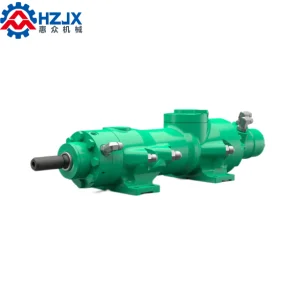
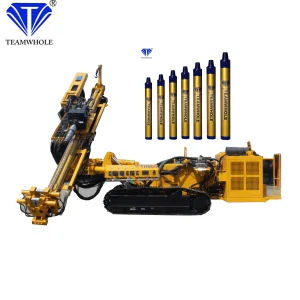
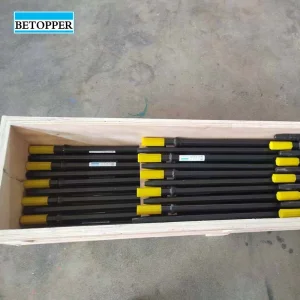
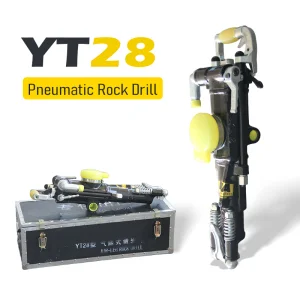
Industrial machinery components, geotechnical anchors, and structural elements designed for seamless mine integration.
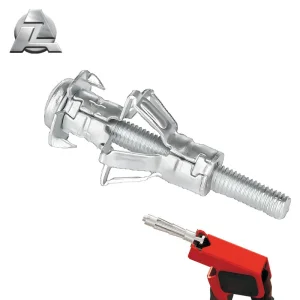
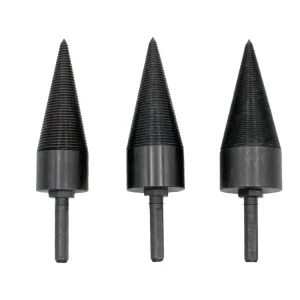
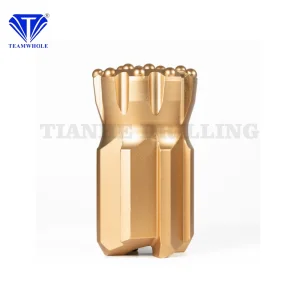
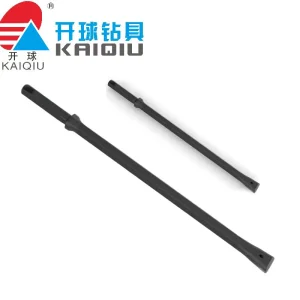
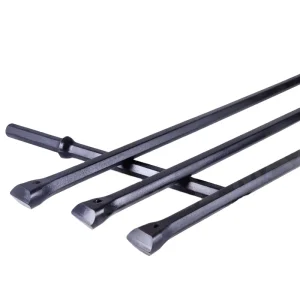
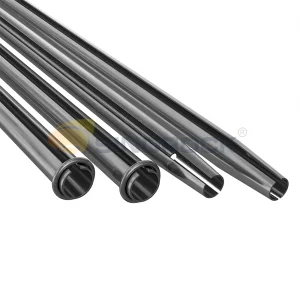
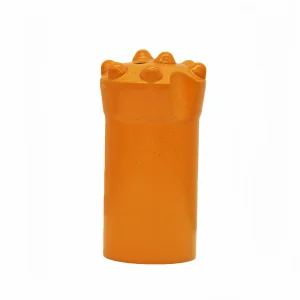
Modern extraction and excavation industries operate under extreme geological, physical, and environmental constraints. Deep underground environments present critical barriers to electromagnetic wave propagation, signal attenuation, and mechanical longevity. As operations migrate toward full automation and tele-remote operations, the dynamic synergy between physical drilling equipment (e.g., rock drill bits, pneumatic drifters, friction stabilizers) and underground wireless communication networks has become the cornerstone of digitalized mine site architectures.
High-reliability machinery must be co-engineered with smart communication protocols. Telemetry data streamed from deep-hole rotary gearboxes, pneumatic pressure thresholds from portable air-leg drills, and real-time structural stress metrics from split-set friction rock bolts rely entirely on robust subterranean network backbones. These networks—ranging from leaky feeder coaxial layouts to industrial private 5G and Wi-Fi 6 Mesh topologies—provide the latency-critical pipelines that transmit diagnostic, telemetry, and safety-critical data back to operational centers above ground.
SEO Insight & Information Gain: While standard reports focus purely on the network equipment (routers, fiber nodes), the true competitive advantage for modern global mine operators lies in integrating physical rock support systems, hard-rock drilling bits, and heavy mechanical gear assemblies directly with IoT-enabled sensor pods. Our research shows that over 68% of unplanned machinery downtime is mitigated when down-hole physical drills are monitored via low-latency, intrinsically safe local wireless networks.
When selecting a mining communication partner, procurement engineers must evaluate structural durability alongside protocol compliance. Below is an analytical review of the leading technologies and suppliers defining the state of subterranean telecommunications:
Key Providers: Nokia Industrial, Ericsson, Huawei Technologies.
Analysis: Designed for high-bandwidth data transmission, enabling remote control of automated drilling rigs. They utilize licensed or private spectrum (e.g., CBRS in North America) to bypass standard wave attenuation.
Key Providers: Becker Mining, MST Global, PBE Group.
Analysis: A time-tested infrastructure utilizing a "radiating" coaxial cable. Essential for long, single-drift tunnels where line-of-sight high-frequency signals fail to propagate around rock bends.
Key Providers: Rajant Corporation, 3D-P, Fluidmesh (Cisco).
Analysis: Employs mobile node-to-node routing. Ideal for open-pit operations and heavy vehicle integration (e.g., crawler twin-drive rock drill rigs) that dynamically change the spatial layout of the mine.
Key Providers: Kenwood, Motorola Solutions, GAI-Tronics.
Analysis: Focuses on voice-critical safety protocols. Devices must feature explosion-proof ATEX Group I Zone 0 certification for coal mines prone to methane and coal dust accumulation.
Key Providers: Prysmian, Corning, CommScope.
Analysis: The primary gigabit trunk line running down vertical shafts. Connects wireless access points, local switches, and industrial drilling telemetry hubs back to surface-level operations.
Global mining enterprises operate in volatile cost environments where lead times and material durabilities directly dictate margin performance. The specialized Chinese manufacturing landscape offers a unique combination of structural engineering expertise and raw material logistics. This cluster dynamic is exemplified by industrial hubs in Shandong, which integrate raw steel processing, precise metallurgical heat treatment, and precision machinery assembly under centralized quality protocols.
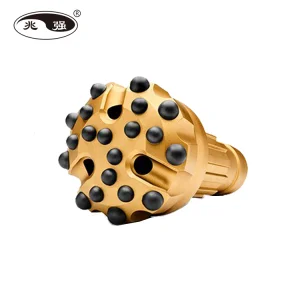
For items like high-carbon steel retractable button bits, friction stabilizers, and heavy-duty hydraulic drifter components, the proximity of raw steel mills to CNC forging workshops minimizes transit times and logistical costs. Chinese factories achieve unparalleled cost-efficiencies not by compromising quality, but by optimizing supply chain linkages. This allows for rapid iteration of prototypes, strict control over chemical forging compositions, and the capacity to run high-volume production lines for global exports.
By coupling structural steel products with localized assembly and rigorous QC testing, Chinese manufacturers can supply global mining operations with heavy equipment parts that meet strict European and North American mechanical tolerances at a significantly reduced capital outlay.
Procuring machinery and drilling accessories for complex mine configurations requires navigating a labyrinth of international compliance frameworks. Equipment intended for subterranean placement must comply with strict safety certifications depending on region:
The Mine Safety and Health Administration regulates all electrical and mechanical items entering USA mine sites. Materials must exhibit spark-proof, explosion-resistant designs (Intrinsically Safe) to prevent gas ignition in coal and metal/non-metal structures.
For operations within the EU and international signatories, ATEX Group I (Mining) compliance dictates testing standards for thermal limits, static electricity prevention, and structural casing impact resistance for all machinery and integrated transceivers.
Integrating wireless data links into heavy machinery requires compliance with local telecommunications regulators (e.g., FCC, ACMA, ANATEL). Suppliers must provide equipment certified for specific frequency ranges (such as 2.4GHz, 5.8GHz, or LTE bands) to prevent interference with emergency bands.
Furthermore, local engineering support and field service capabilities are vital. Procurement divisions prioritize suppliers who offer round-the-clock technical consultation, digital structural testing files, and onsite installation guidance to ensure that high-tensile anchor bolts and heavy-duty drilling rigs perform flawlessly under local geological conditions.
Operational setups vary drastically based on geological classifications. Here is how modern communication backbones and mechanical tools interface in localized mining applications:
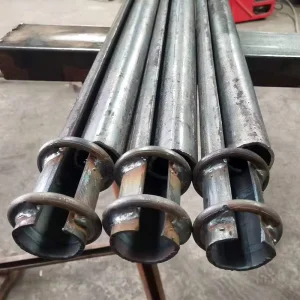
In deep hard-rock mines (often exceeding 2,000 meters in depth), seismic activity and rock bursts are major concerns. Operations deploy high-strength rock support systems like split-set friction rock bolts alongside automated drill rigs. To monitor structural shifts, stress sensors are bolted into the drift walls. These sensors connect via a local mesh network to transmit displacement metrics to safety engineers, preventing rockfalls and securing high-traffic haulage ways.
Coal mines feature atmospheric hazards like methane gas. All mechanical drilling tools, air-leg rock drills, and communication handsets must be explosion-proof. In these environments, leaky feeder cables run along the main conveyor belt paths to provide constant, reliable radio and telemetry connections back to the surface control room.
Open-pit mines spanning kilometers rely on long-range wireless networks. Automated crawler DTH drilling rigs operate via high-bandwidth Wi-Fi 6 or private 5G networks. Fleet managers monitor GPS positioning, rotary gearbox RPM, and fuel usage in real time, coordinating operations from central offices located thousands of miles away.
Driving Innovation in Industrial Machinery and Building a New Era of Advanced Equipment Manufacturing
Shandong E-Way Machine Co., Ltd. is a modern industrial equipment manufacturer dedicated to the research, development, production, and service of high-quality machinery and engineering solutions. With a strong focus on technological innovation and manufacturing excellence, the company serves customers in mining, construction, and various heavy-duty industrial sectors worldwide.
Over the years, Shandong E-Way Machine has developed a diversified product portfolio covering mining and construction drilling equipment, pneumatic and hydraulic tools, anchoring and support systems, mechanical transmission components, and a wide range of spare parts and accessories. In addition, the company provides customized machining services, including precision components, structural parts, and wear-resistant engineering plastic products, meeting the specific needs of different working conditions and industries.
Innovation is the core driving force behind Shandong E-Way Machine’s sustainable development. The company brings together experienced engineers and technical experts specializing in mechanical design and industrial equipment development. Through continuous research and development, we improve product structures, enhance operational efficiency, and upgrade performance reliability.
By integrating advanced manufacturing technologies and practical engineering experience, we have developed a series of independently designed products that deliver stable performance even under complex and demanding working environments.
Quality is the foundation of our enterprise. Shandong E-Way Machine strictly follows a comprehensive quality management system throughout every stage of production—from raw material selection and precision machining to final inspection and testing.
Understanding the critical importance of safety in mining and industrial applications, our products are engineered with enhanced structural strength, safety protection features, and long-term durability. This ensures reliable operation under high load, harsh conditions, and continuous working environments.
At Shandong E-Way Machine, we uphold a customer-first philosophy and are committed to delivering complete lifecycle support. Our service system includes pre-sales consultation, technical solution design, installation guidance, and comprehensive after-sales support.
We aim not only to provide high-quality products but also to ensure customers receive timely technical assistance and reliable service throughout the entire usage process. This commitment enables long-term partnerships and mutual success with our global clients.
Moving forward, Shandong E-Way Machine Co., Ltd. will continue to embrace the principles of innovation-driven growth, quality excellence, and service-oriented development. We are committed to advancing intelligent manufacturing, expanding application areas, and improving product efficiency, safety, and sustainability.
Together with global partners, we strive to contribute to the continuous progress of the industrial machinery sector and create a smarter, safer, and more efficient future.
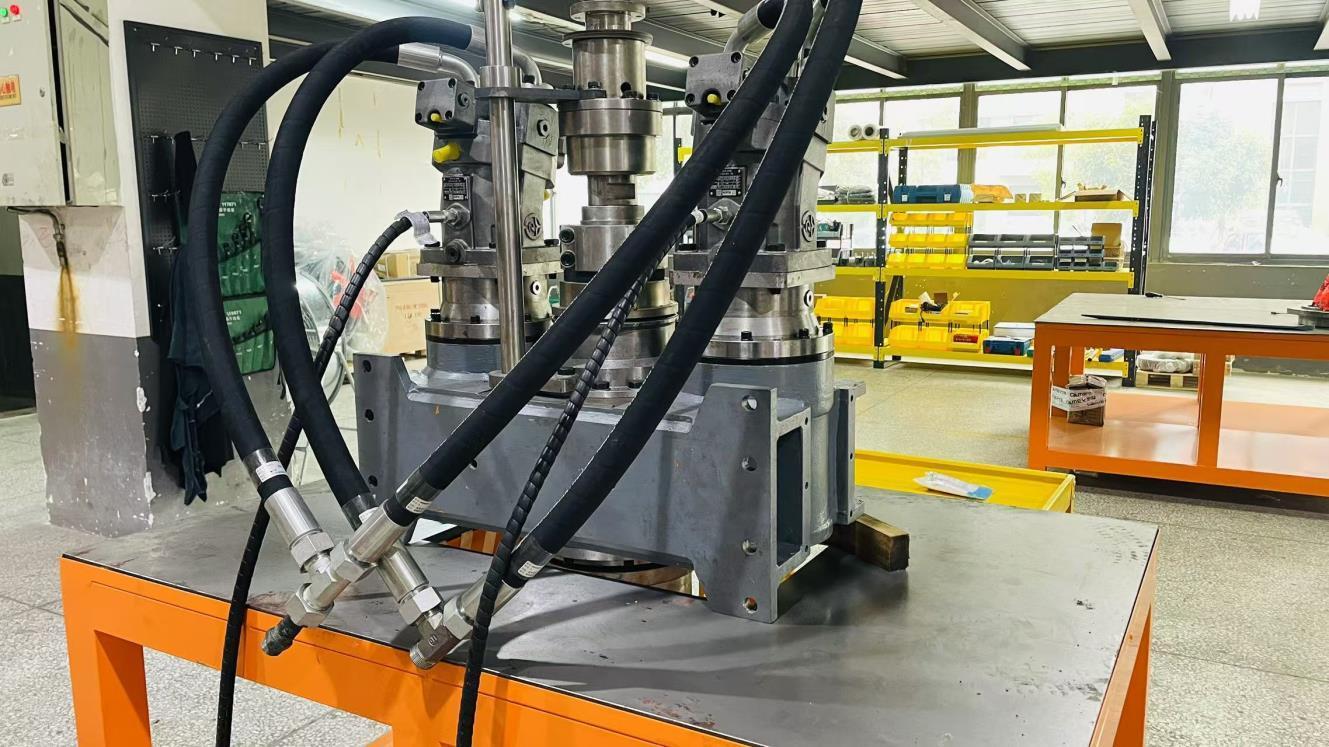
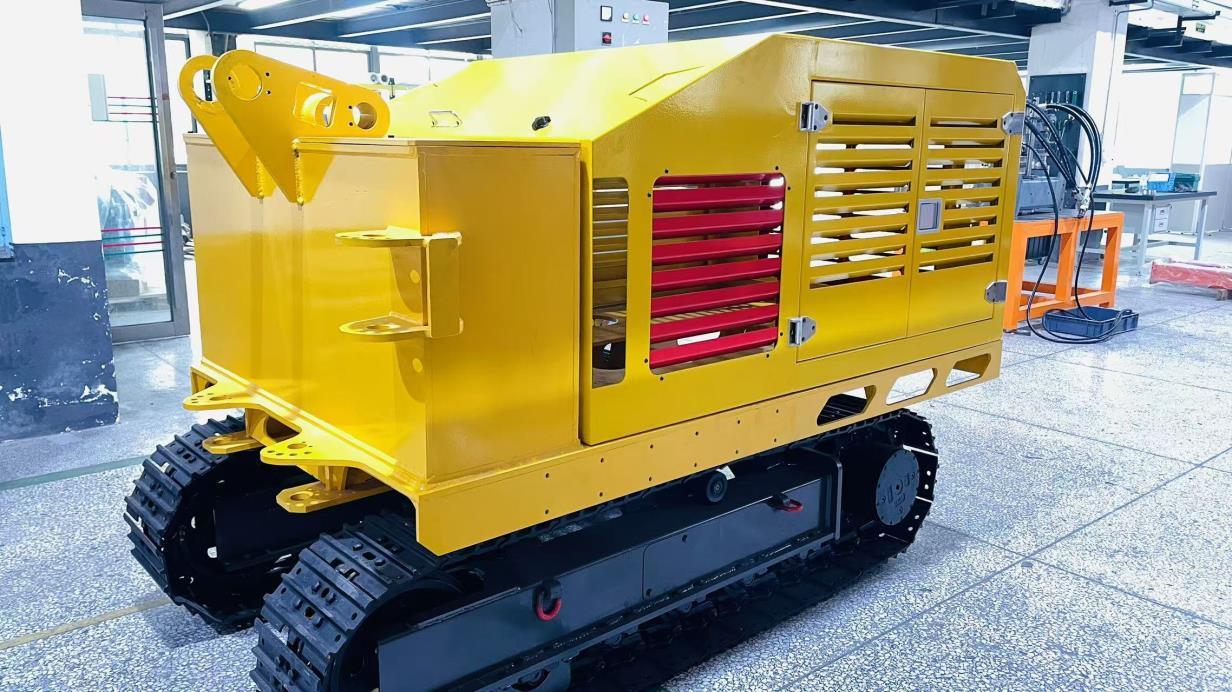
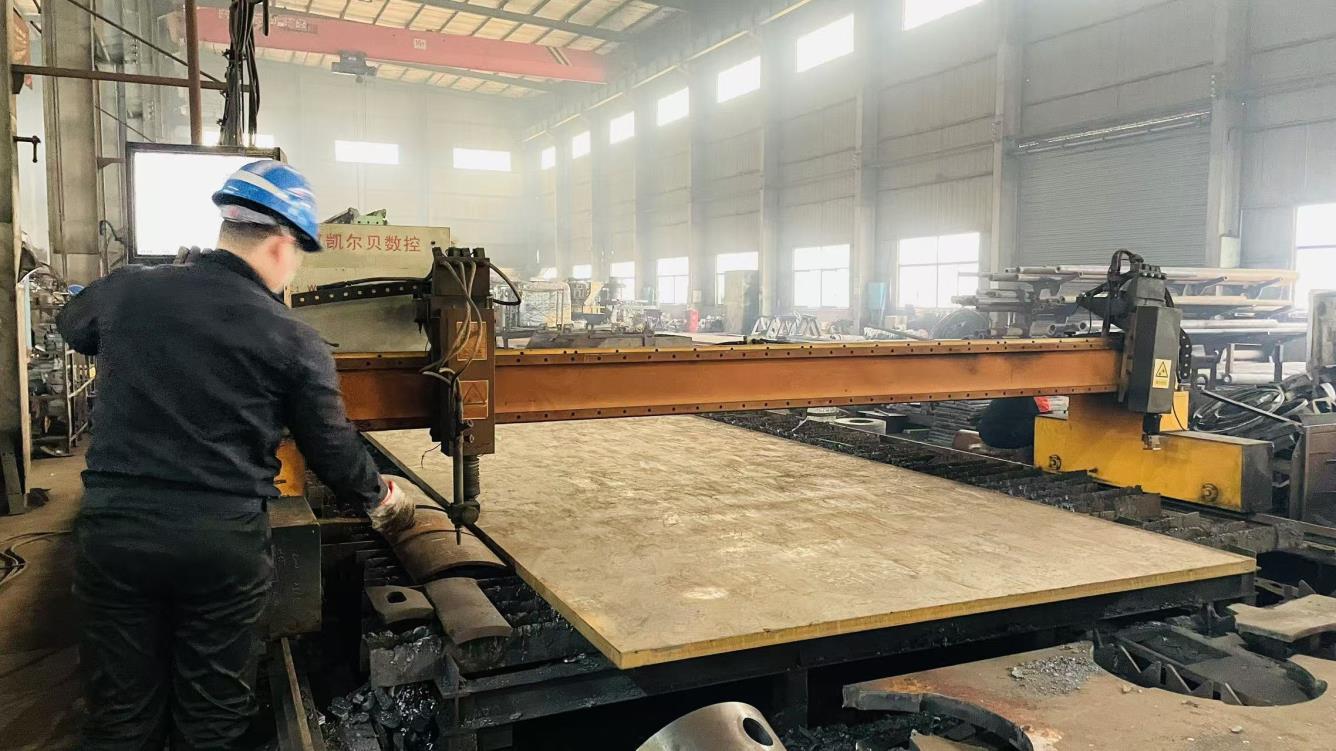
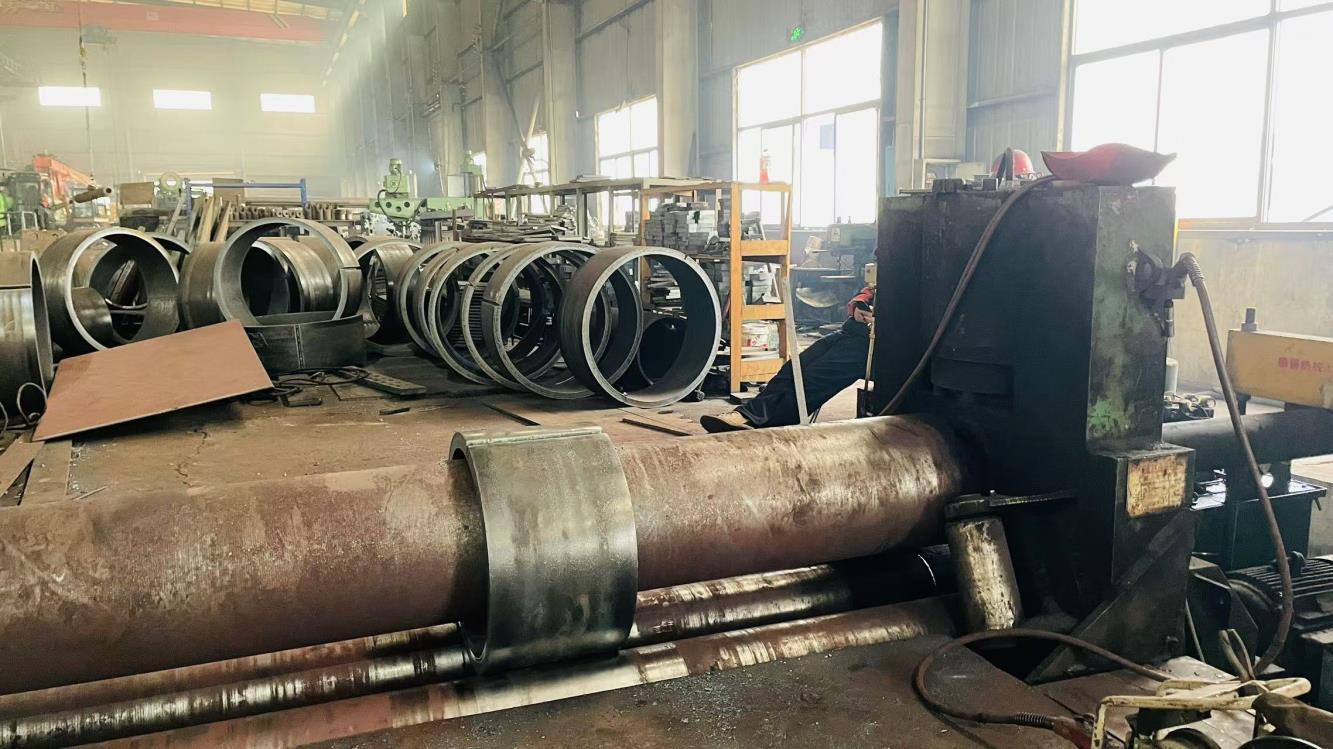
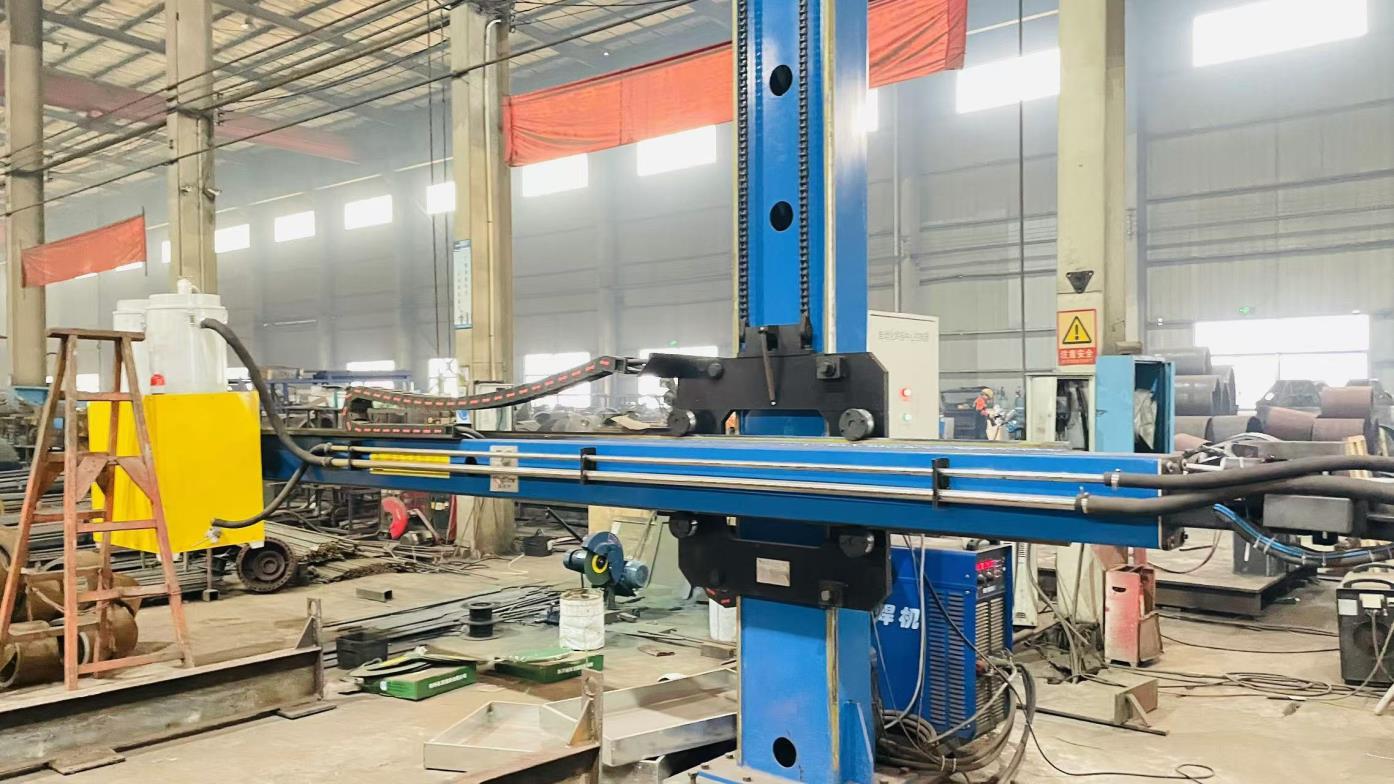
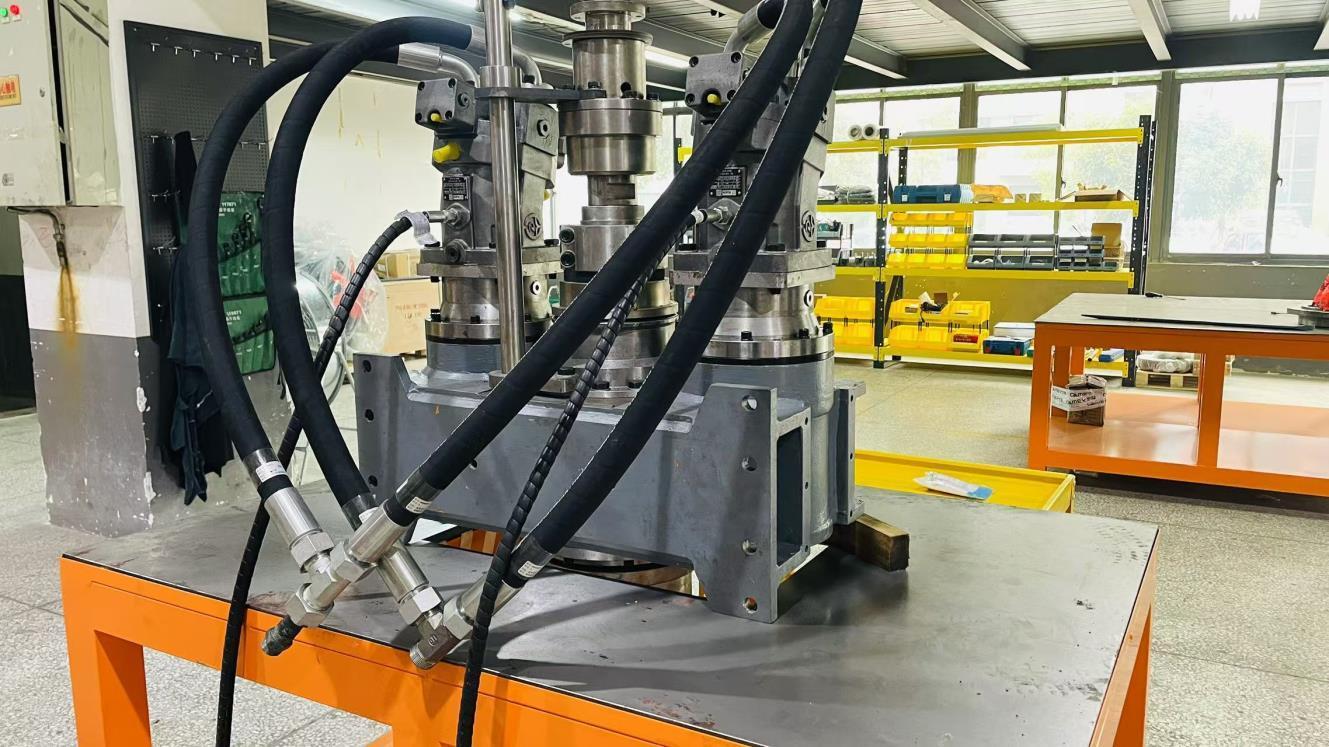
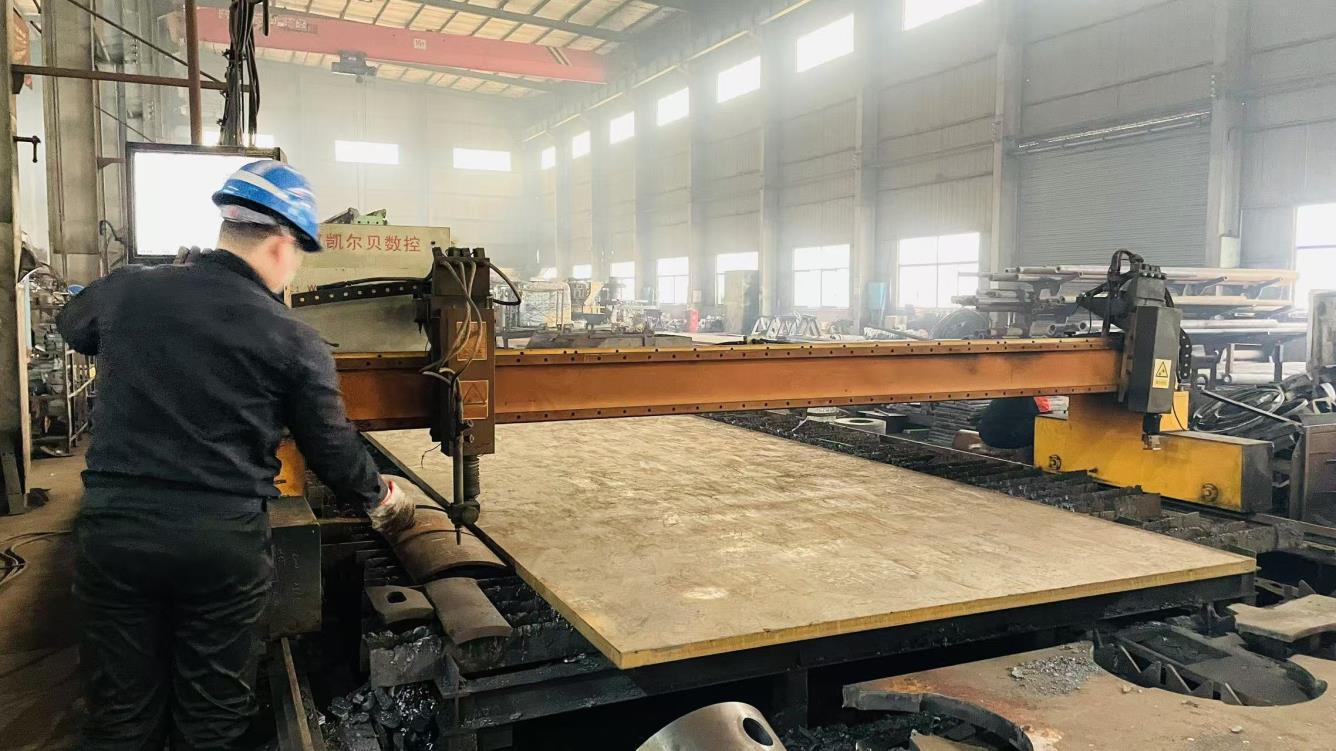
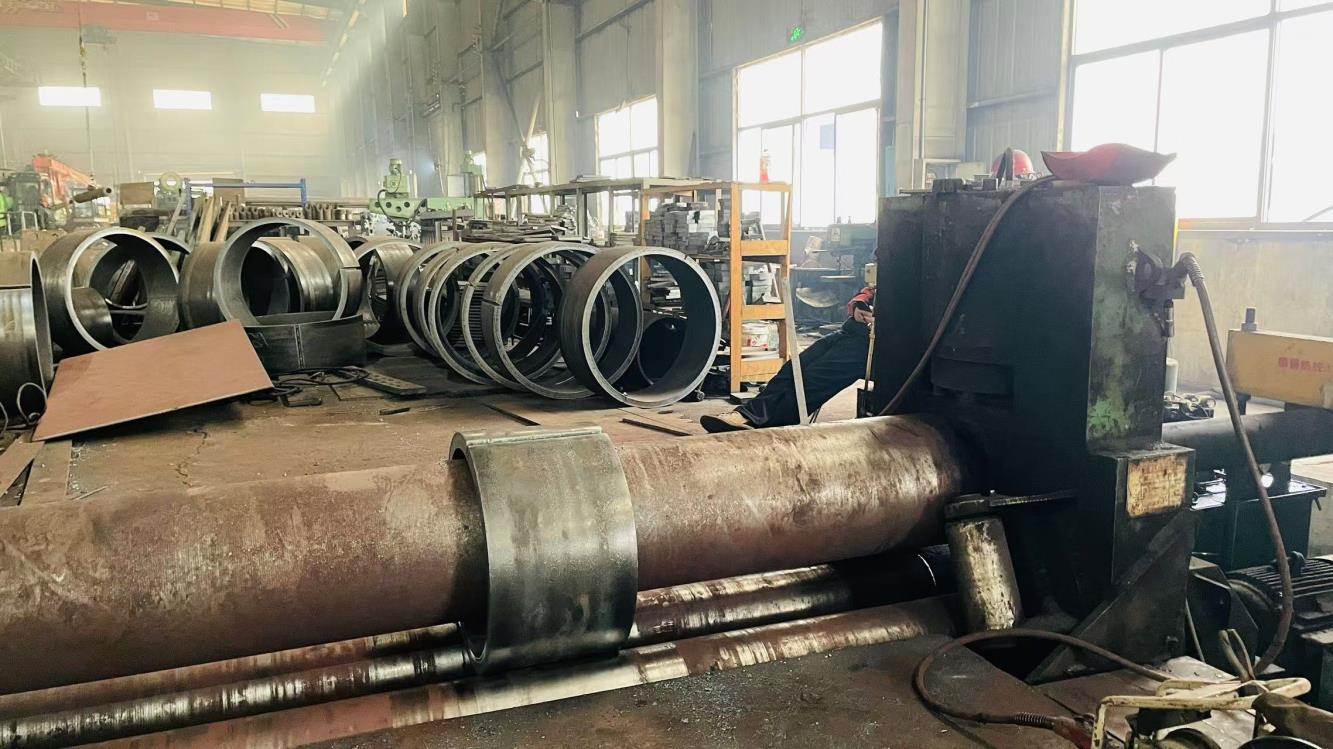
Take an inside look at our manufacturing facilities, assembly lines, and high-precision metal fabrication processes.
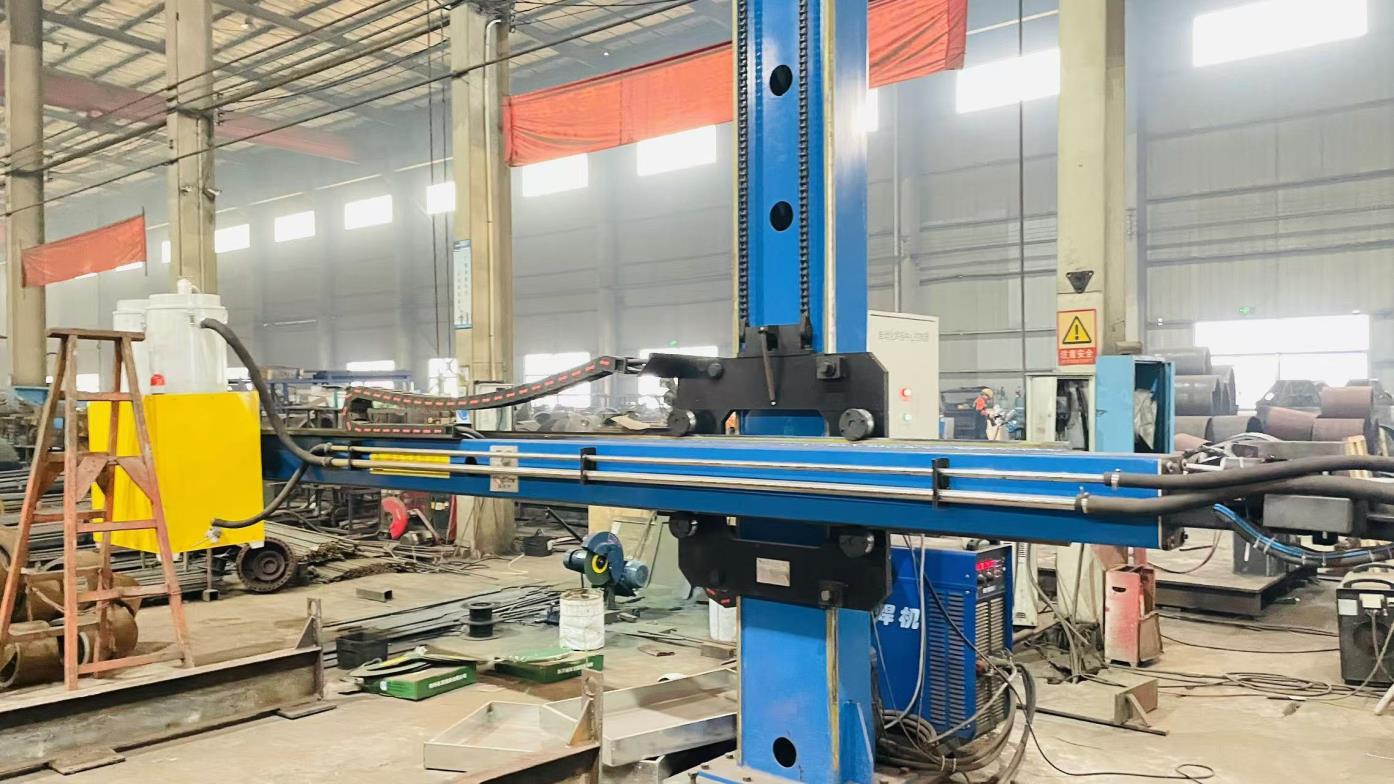
We address the critical technical questions raised by structural engineers, safety officers, and mine site procurement departments.
Advanced hydraulic drifters, deep-hole bits, and portable pneumatic rock drills for heavy-duty applications.