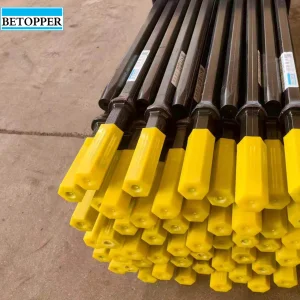
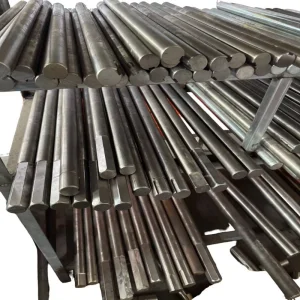
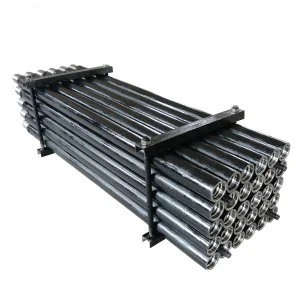
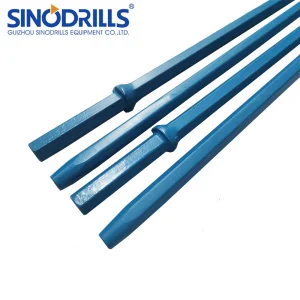
Engineered for Spain's unique geological formations, from Andalusia's slate quarries to Northern Spain's metal ore operations.
Analyzing the tectonic environments, rock hardness profiles, and regional requirements driving Spain's industrial drilling needs.
Spain is characterized by complex and highly diverse geological landscapes, demanding customized rock drilling equipment. The mining and construction sectors rely heavily on high-precision rock drilling components, specifically tapered drill rods. In Galicia, the global epicenter of granite and ornamental slate quarrying, and the Iberian Pyrite Belt in Andalusia (hosting major base metal mines like Cobre Las Cruces and Riotinto), operators face highly abrasive, hard rock formations. The mechanical demands placed on percussion drilling equipment are exceptionally severe.
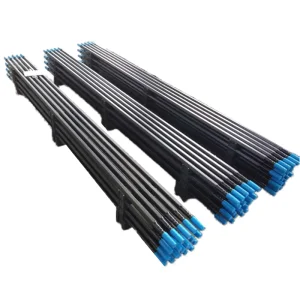
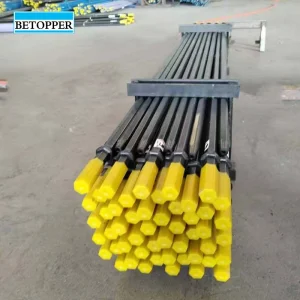
In municipal and civil works, Spain’s ongoing high-speed railway (AVE) extensions and subterranean utility upgrades in cities like Madrid and Barcelona demand advanced tunneling methods. Ground conditions alternate between clay, limestone, and hard schist, requiring high performance and adaptability from drill rods. For shallow-hole drilling applications (typically 2 to 8 meters), tapered drill systems have emerged as the industry standard. Their unique taper fitting provides a rigid, high-strength coupling with button and chisel bits, without the energy loss associated with threaded joints in smaller hole configurations.
"To survive in Spain’s abrasive rock profiles, tapered drill rods must balance surface hardness to resist abrasive wear and core toughness to withstand high-frequency percussive shockwaves."
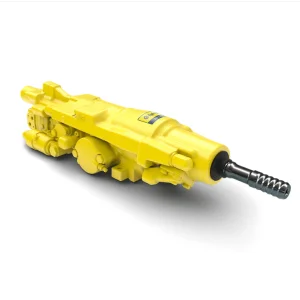
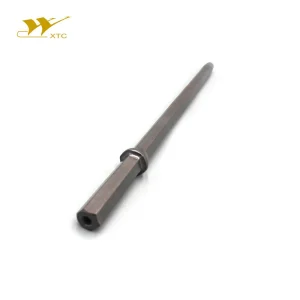
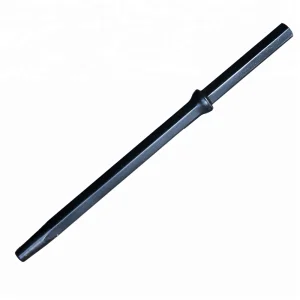
The percussive rock drill transmits dynamic impact stress waves down the tapered drill rod to the bit. These stress waves must travel with minimal energy reflection and dampening. Any misalignment or structural anomaly within the hex rod (such as H22 or H25 profiles) will result in energy dissipation, accelerated shank wear, or premature body fatigue. By utilizing precise taper angles—specifically 7-degree, 11-degree, and 12-degree variations—our tapered rods guarantee a tight interference fit that behaves like a solid, continuous steel member. This ensures maximum drilling speed and extends the service life of both the rod and the carbide bit.
How advanced material selection and heat treatment prevent early failure under high-impact conditions.
To manufacture tapered drill rods capable of surviving the demanding working conditions of the Spain market, metallurgical precision is paramount. The structural steel core must resist bending, tensile fatigue, and intense compressive forces simultaneously. Modern technical roadmaps prioritize the following metallurgical and structural design processes:
The performance of a tapered drill rod is determined by its base chemistry. High-performance rods utilize hollow hexagonal drill steel made of high-quality alloy steel, typically optimized with Chromium (Cr), Nickel (Ni), and Molybdenum (Mo). Chromium enhances deep hardenability, Nickel increases low-temperature impact toughness, and Molybdenum ensures strength retention under high dynamic temperatures. This unique combination prevents plastic deformation at the shank collar and the tapered connection point, the two areas most vulnerable to stress concentration.
Our manufacturing facility applies a strict, gas-carburized case hardening process. By diffusing carbon into the outer layers of the hexagonal rod, we establish a hard, wear-resistant outer shell (exceeding 58 HRC) while maintaining a highly ductile, resilient inner core. This composite hardness profile prevents the initiation of micro-cracks along the steel surface while absorbing the high-intensity shockwaves delivered by modern high-frequency rock drills.
The taper interface demands geometric precision. Even a fractional deviation in the taper angle (7°, 11°, or 12°) will result in point-loading, leading to rapid bit detachment or shank splitting. Our manufacturing lines implement CNC-guided grinding tools that finish every taper with tolerances down to the micron level. This ensures a uniform contact surface area across the entire engagement depth, optimizing energy transfer and eliminating slippage.
Delivering premium rock drilling tools directly to Spain's industrial hubs through smart, automated manufacturing.
At Shandong E-Way Machine Co., Ltd., we drive industrial machinery innovation, building a new era of advanced equipment manufacturing. We are a modern industrial equipment manufacturer dedicated to the research, development, production, and service of high-quality machinery and engineering solutions. Serving clients across Spain and globally, we provide reliable tools optimized for mining, quarrying, and civil tunneling operations.
Our Industry 4.0 production center integrates precision metal cutting, automated forging, heat treatment, and quality inspection on a single production line. This manufacturing model eliminates manual error, ensures consistency from batch to batch, and shortens lead times for bulk procurement. Below is a detailed view of our key production facilities and advanced processes:
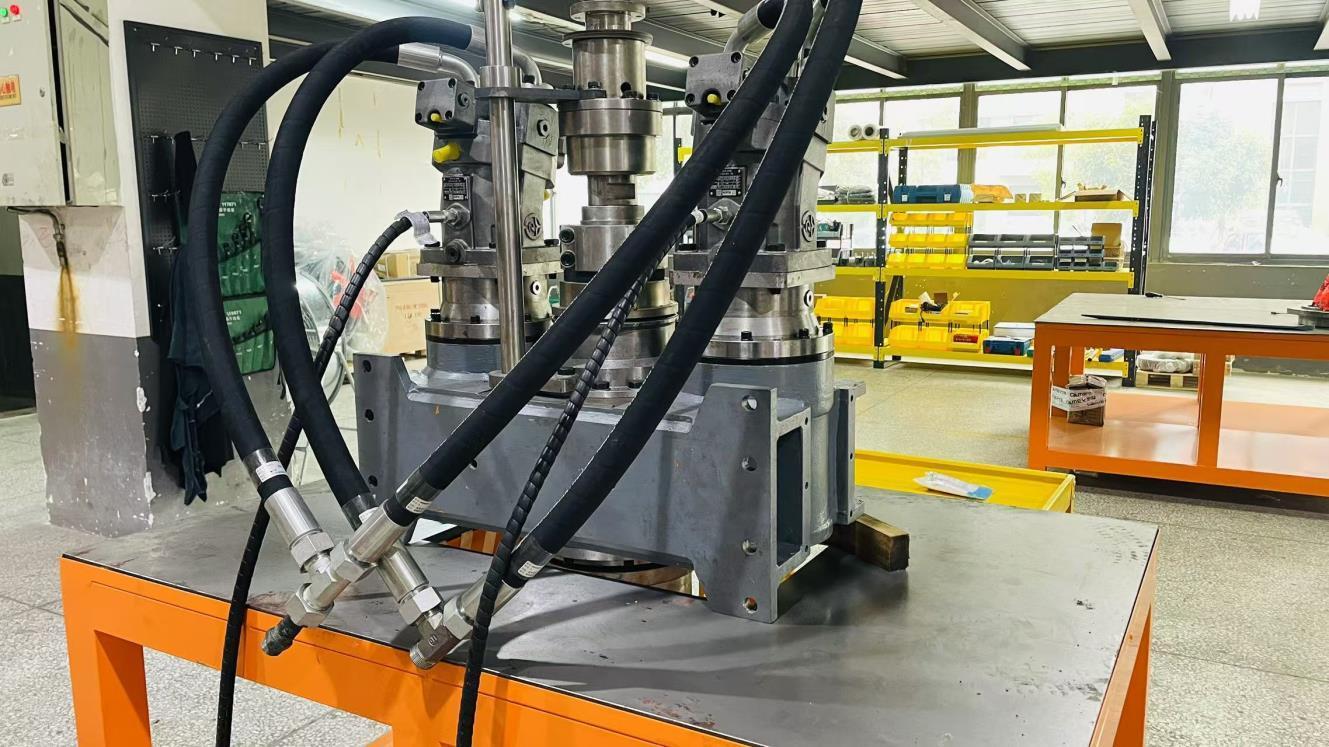 Component assembly
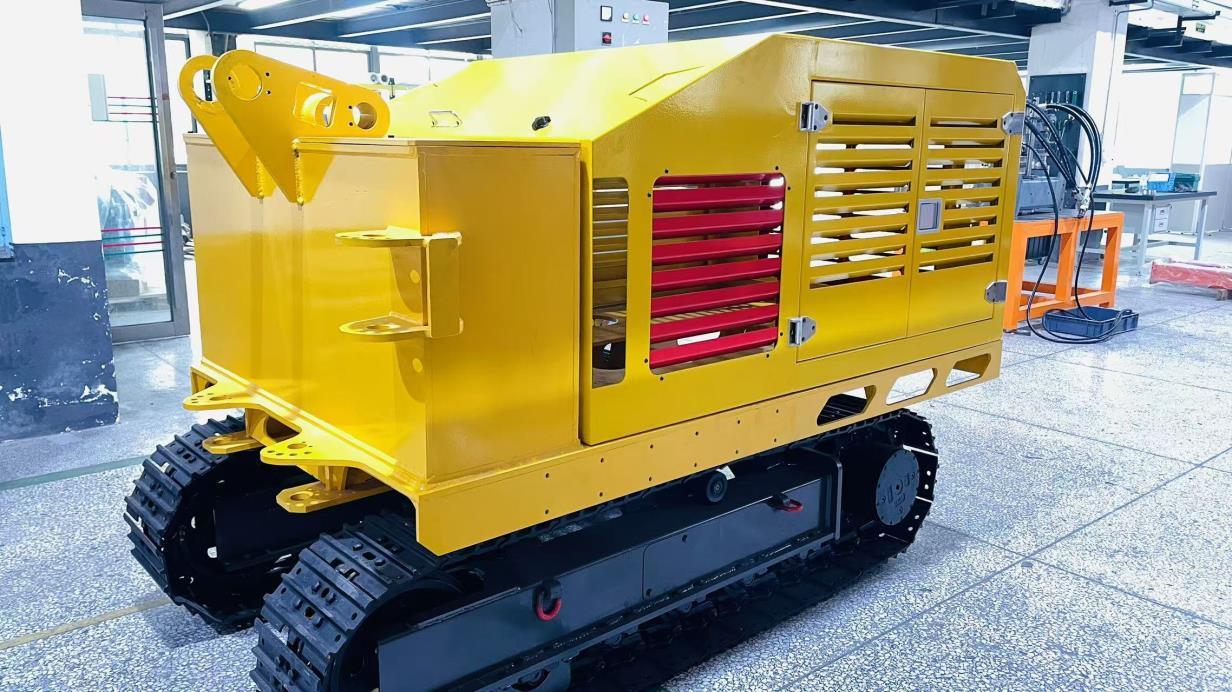 Integral assembly
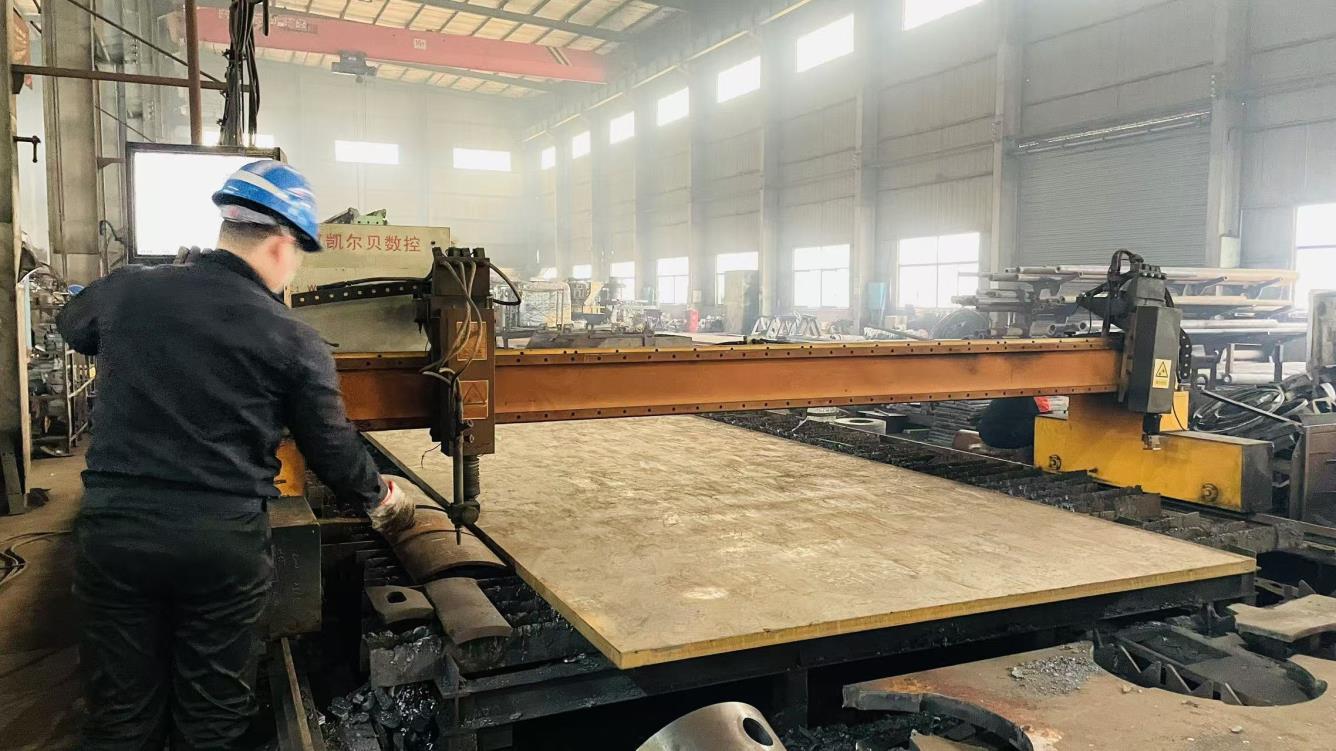 Slice
Slice
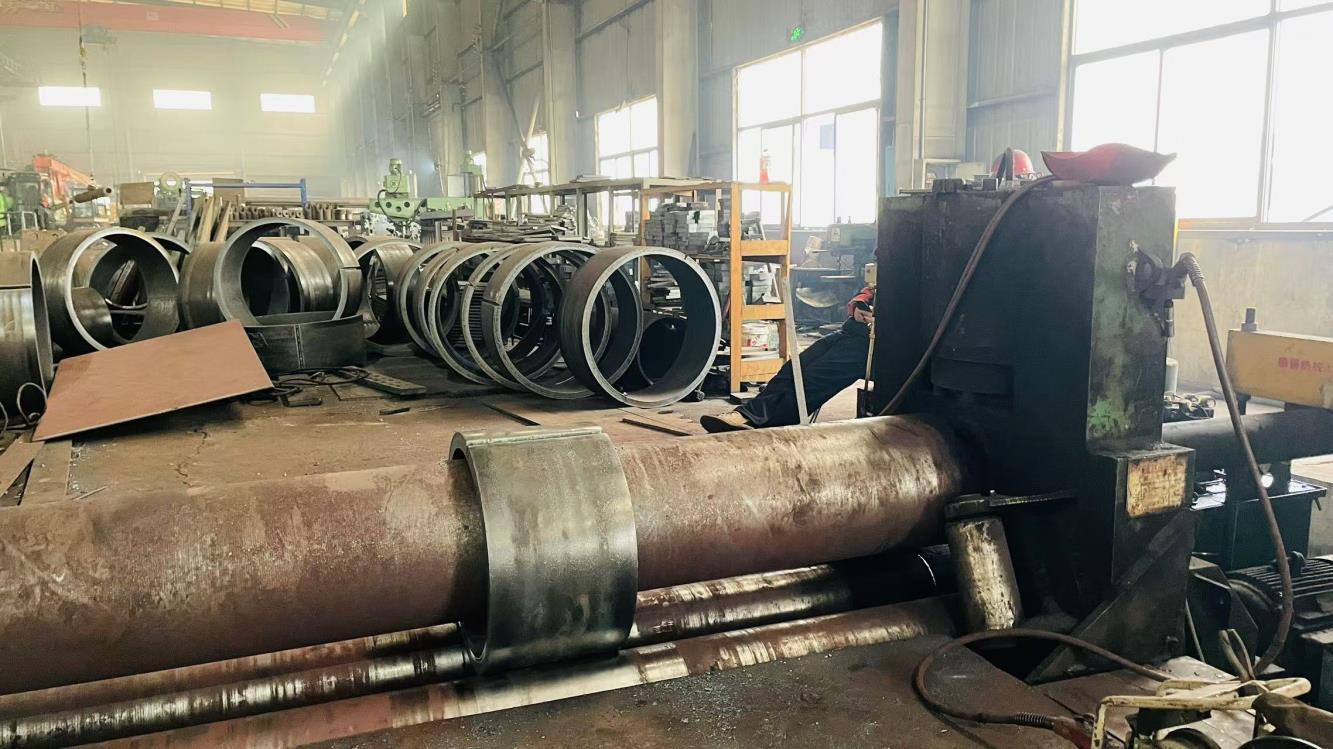 Drum
Drum
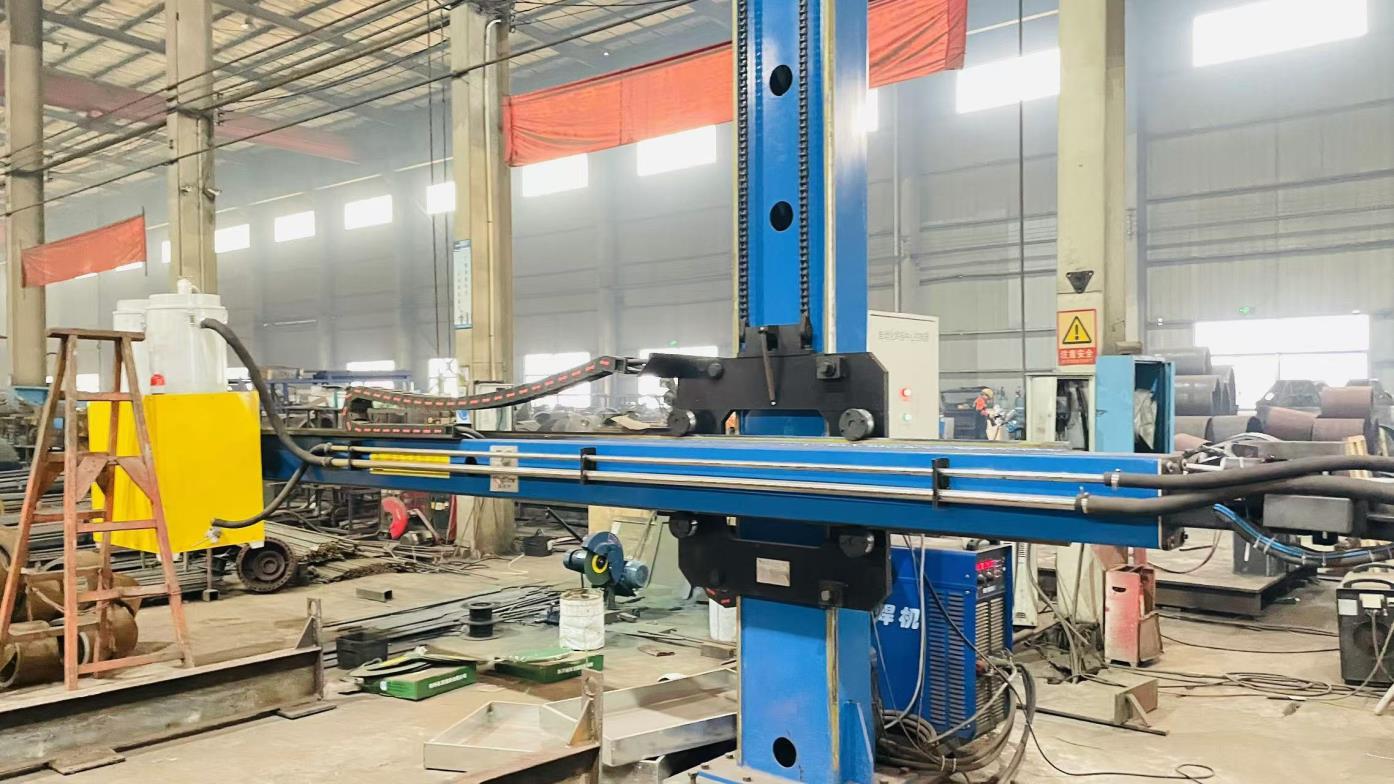 Weld
Weld
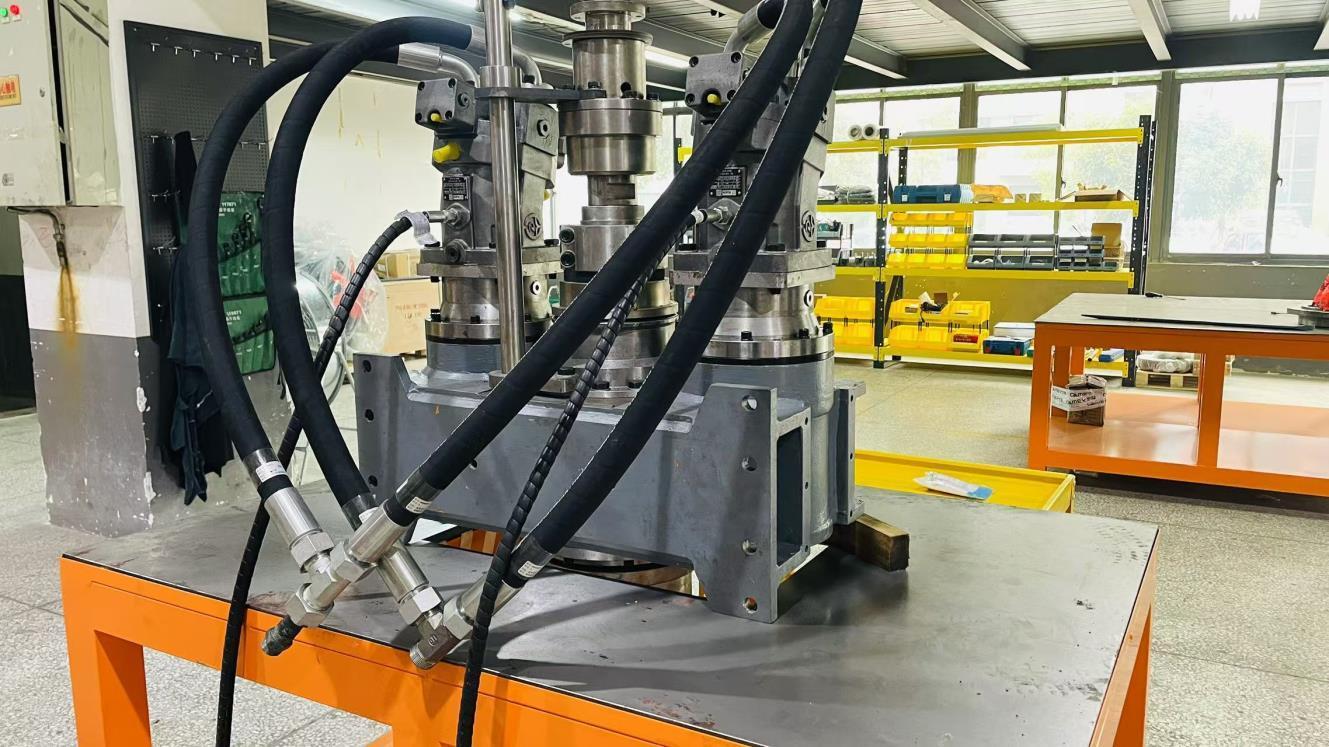 Assembly table
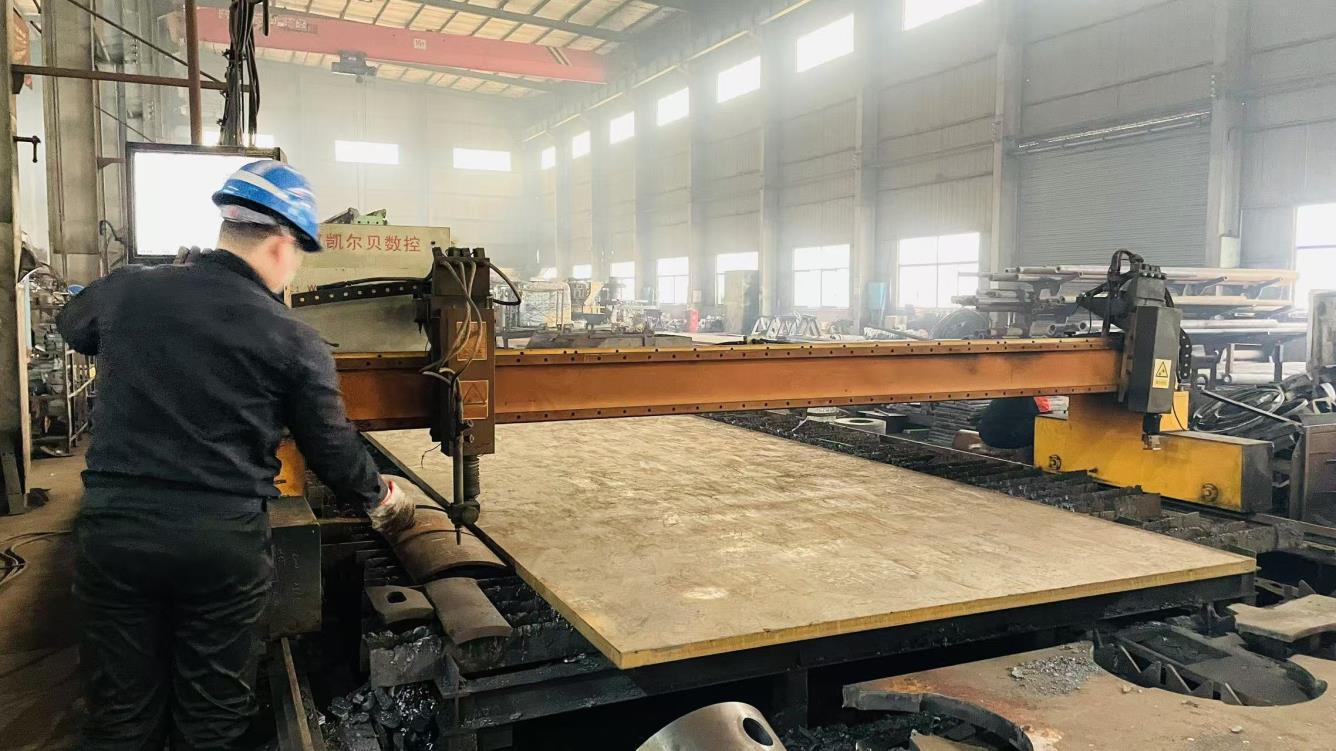 Cutting machine
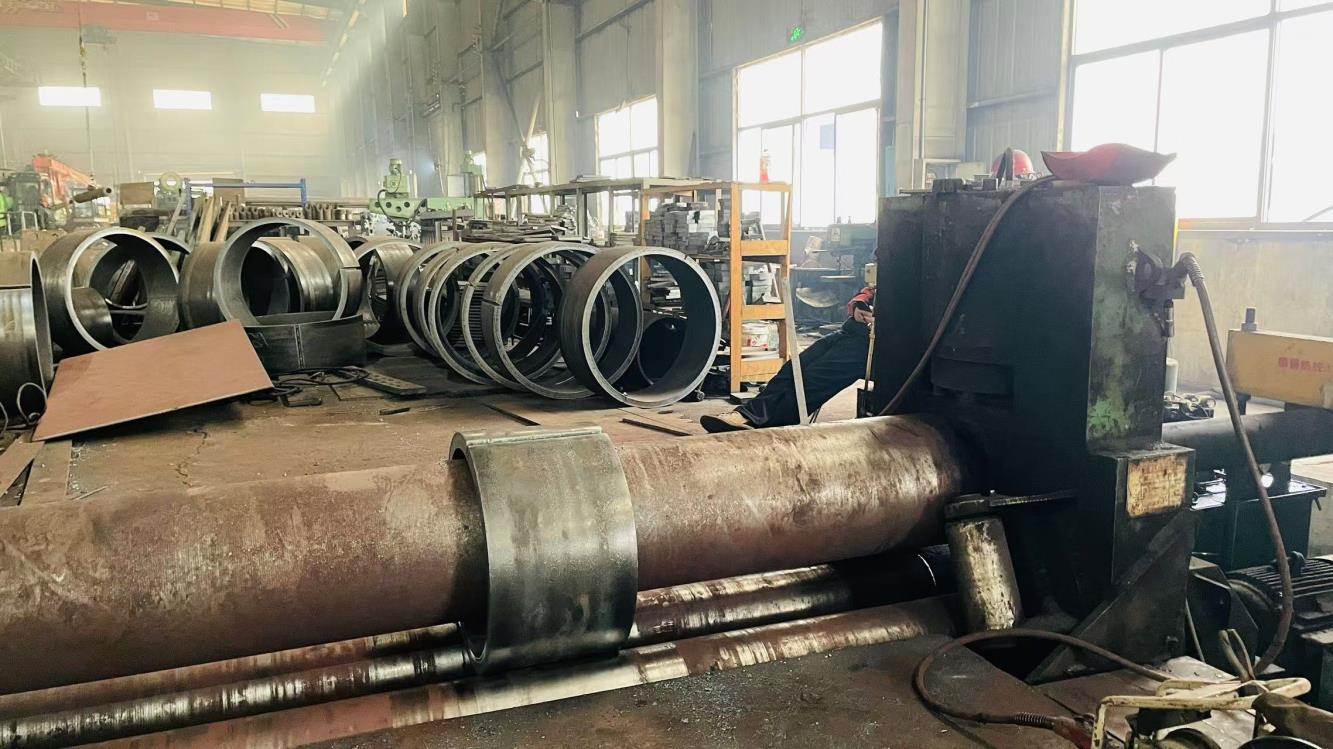 Barrel winder
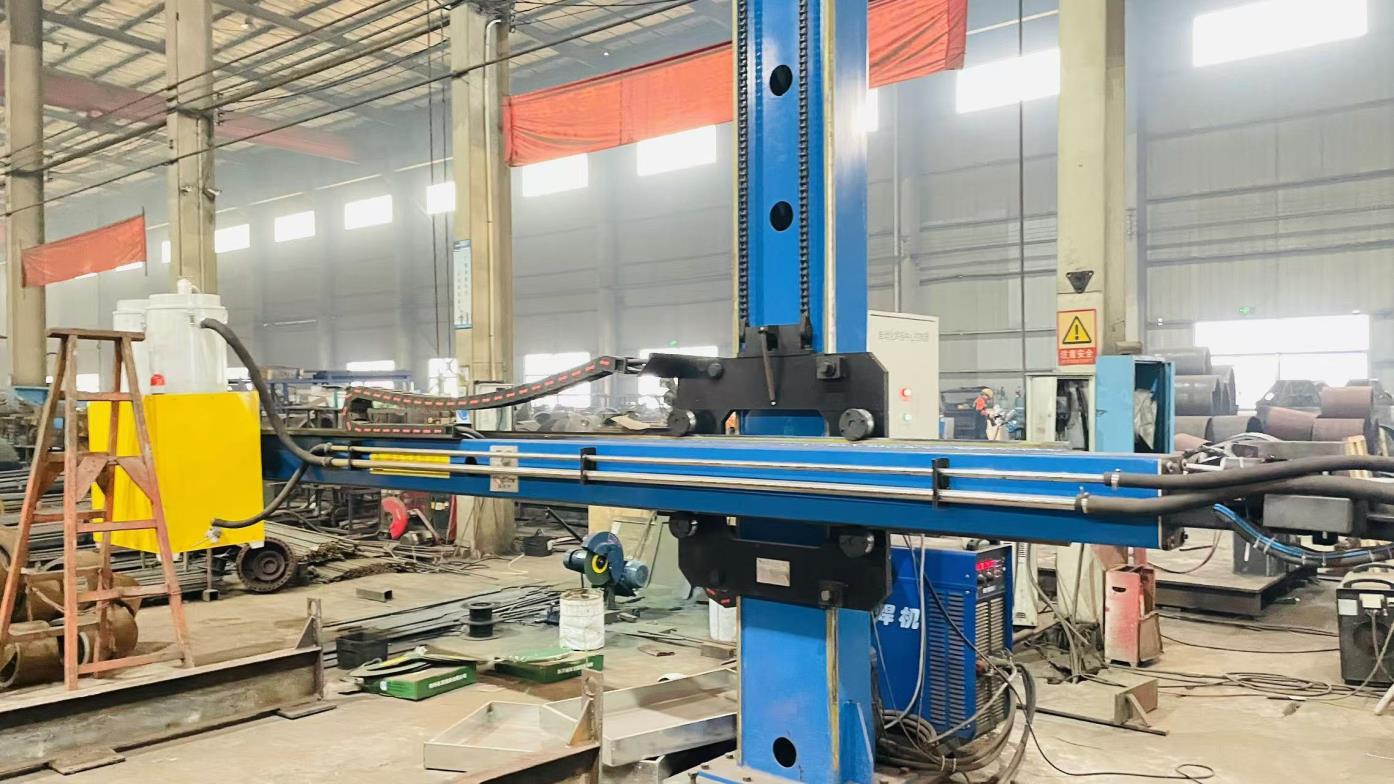 Buried welder
Through continuous research, our engineering team refines product design, improves durability, and upgrades structural reliability. By combining advanced manufacturing technologies with practical field experience, we have developed a series of proprietary designs that perform reliably under complex, high-pressure environments across Spain.
Understanding delivery pathways, certifications, and compliance for Spanish engineering firms.
For Spanish procurement officers, general contractors, and mining purchasing groups, managing supply chain risks is critical. Shandong E-Way Machine ensures a transparent, reliable procurement process. Our products comply with European standards, including ISO 9001:2015 quality management benchmarks, ensuring full traceabilty from structural alloy steel casting to the finished tapered rod delivered to site.
We provide efficient ocean and rail freight options to key industrial gateways in Spain, including Valencia, Barcelona, Bilbao, and Algeciras. We offer flexible delivery terms (FOB, CIF, DDP) and manage all customs declarations and clearance processes, ensuring drill equipment arrives directly at construction sites or warehouses without delay.
Every shipment is accompanied by a comprehensive Material Test Report (MTR). This includes detailed chemical analysis, mechanical property evaluations (yield strength, tensile testing), and ultrasonic non-destructive testing reports. This verification process ensures every tapered drill rod meets the quality demands of municipal and private engineering contracts in Europe.
Explore our wider range of specialized rock drilling rods, shanks, and accessories for the Spanish market.
Get professional advice on selecting the right taper, shank dimensions, and maintenance practices to maximize drill rod lifespans.