1 / 5

The drilling methods are basically auger drilling method, flushing method, impact Percussion drill, Rotary drill, Core drill, Non-core drill, Rotary-Percussion drill, Hand Auger, Flight Auger, Wash Boring and Clay Cutter and so on.
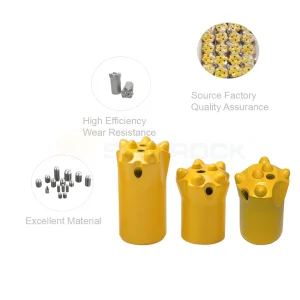
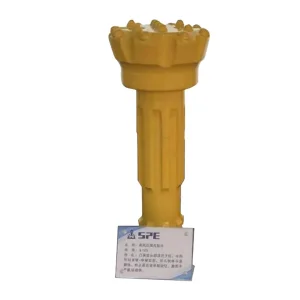
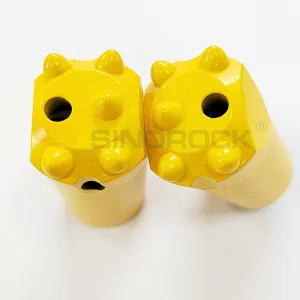
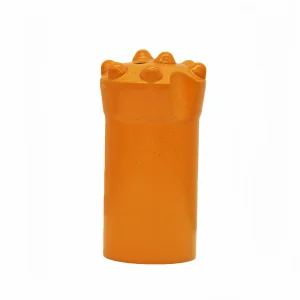
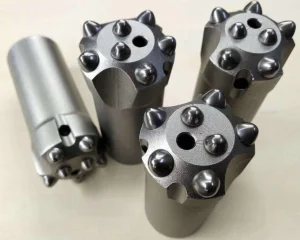
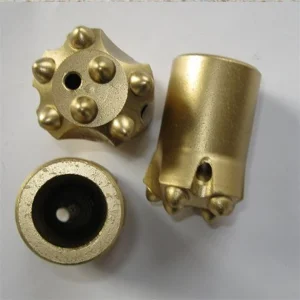
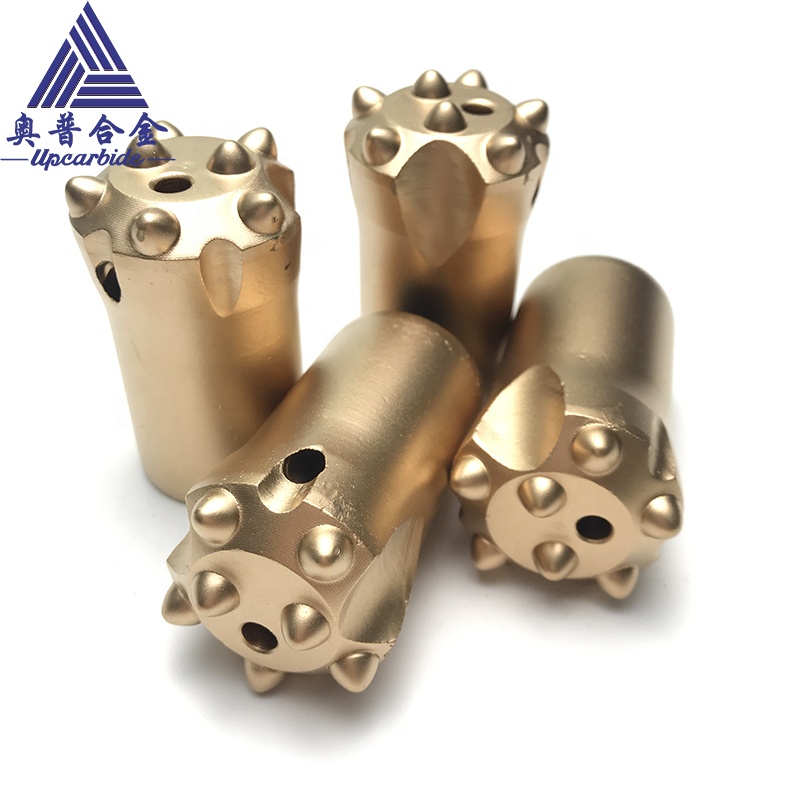
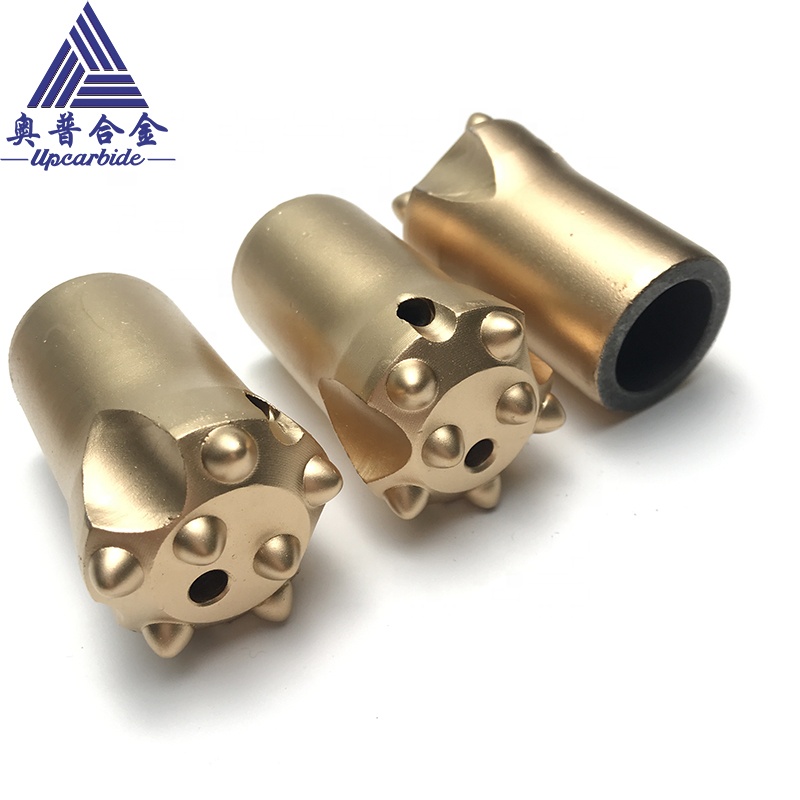
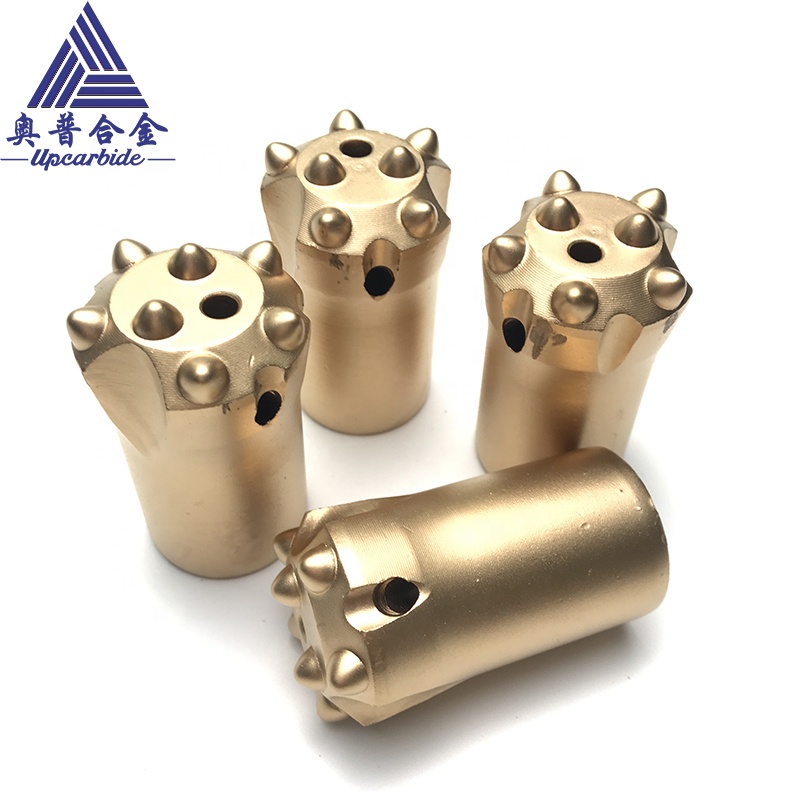
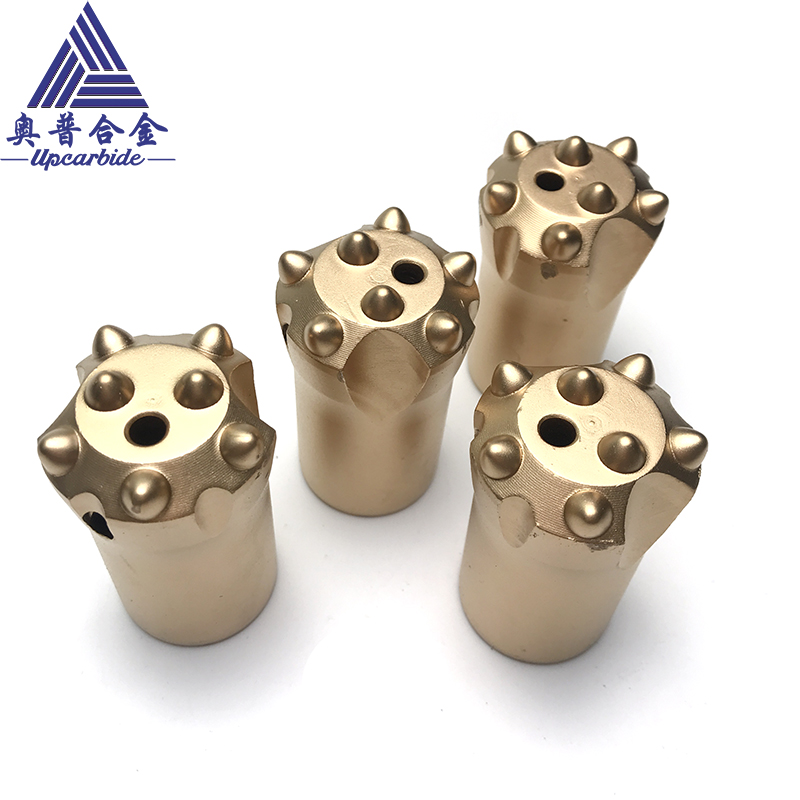
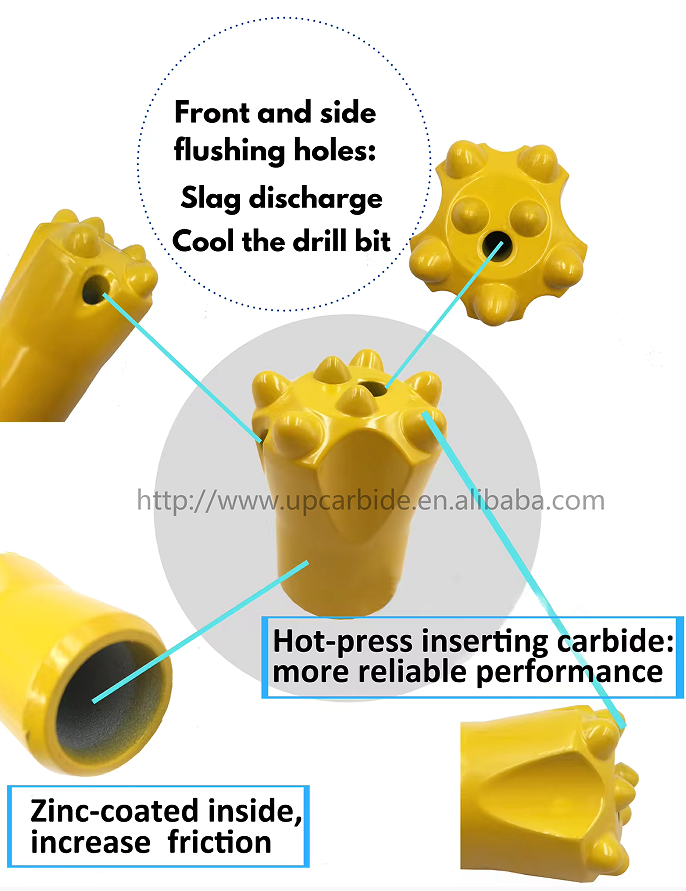
According to different terrain, environment and actual conditions, through detailed planning such as observation and evaluation, plus judgments and constraints (including human resources and equipment, etc.), decide which drilling method to use. The drilling tool is composed of an active drill pipe, a drill pipe, a core pipe, a reamer and a drill bit at the bottom end, and if necessary, a sedimentation pipe or a drill collar is also added on the core pipe. The function of the drilling tool is mainly to transmit the drill bit pressure and rotary torque to the drill bit during the drilling of the rock formation, and to send drilling flushing fluid to the bottom of the hole to collect the rock core.

| YG11C Specification | |
|---|---|
| Carbide Tip Grade | YG11C |
| Contents | 11% Co, 89% WC |
| Density | 14.4 g/cm³ |
| Hardness | 87 HRA |
| TRS | 2850 MPa |
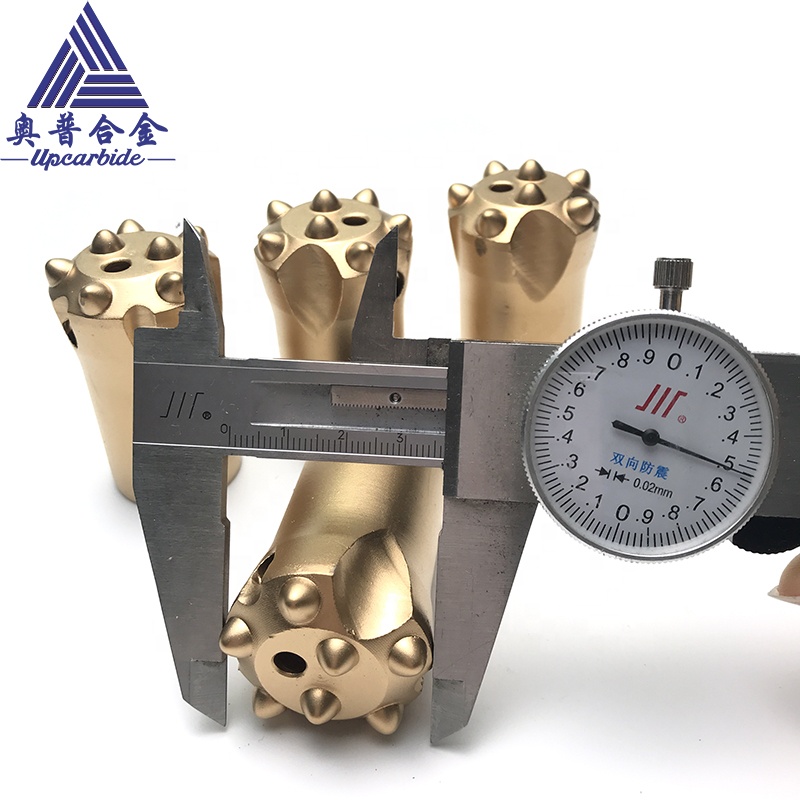
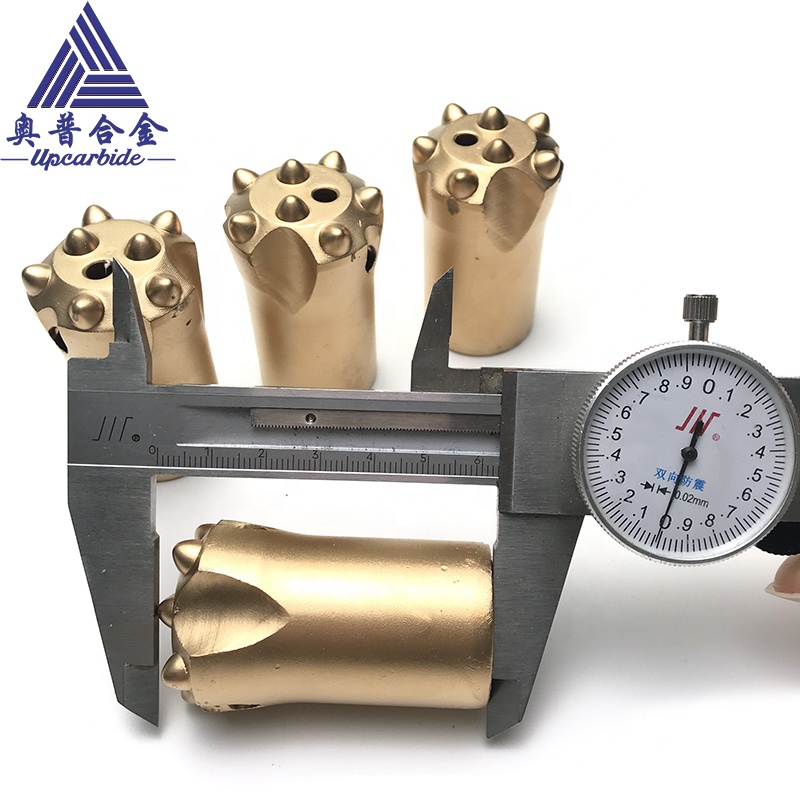
| Diameter | 36mm |


| Grade | Density (g/cm³) | T.R.S (MPa) | Hardness (HRA) | Performance & Application Recommended |
|---|---|---|---|---|
| YG4C | 15.1 | 1800 | 90 | Mainly used as small buttons for percussion bits to cut soft and medium hard formations. |
| YG6 | 14.95 | 1900 | 90.5 | For coring crowns, electric coal drill bits, coal cutting picks, oil cone bits and scraping knife bits, used in geological prospecting, coal mining and oil well boring. |
| YG8 | 14.8 | 2200 | 89.5 | For coring crowns, electric coal drill bits, coal cutting picks, oil cone bits and scraping knife bits, used in geological prospecting, coal mining and oil well boring. |
| YK05 | 14.95 | 2500 | 90.5 | Mostly used as the buttons of small and medium sized percussion bits and as the inserts of rotary prospecting bits to cut soft and medium hard formations. |
| YG8C | 14.8 | 2400 | 88.5 | |
| YK15 | 14.6 | 2450 | 87.6 | Suitable to strips, conical buttons for rotary percussion-resistant, geological prospection buttons, cut soft and medium hard formations. |
| YK20 | 14.4 | 2500 | 86.8 | Primarily for the buttons and inserts of rotary percussion bits to cut medium-hard and hard formations. |
| YK25 | 14.4 | 2550 | 87.2 | Primarily for the buttons and inserts of rotary percussion bits to cut medium-hard and very hard formations. |
| YG11C | 14.4 | 2700 | 86.5 | Largely for the inserts and buttons of percussion bits and tricone bits to cut medium-hard, hard, and very hard formations. |
| YG13C | 14.2 | 2850 | 86 | Primarily for the buttons of tricone bits and inserts of rotary percussion bits to cut hard and very hard formations. |
| YG15C | 14 | 3000 | 85.5 | For oil cone drill bits, for medium soft and medium-hard rocks. |

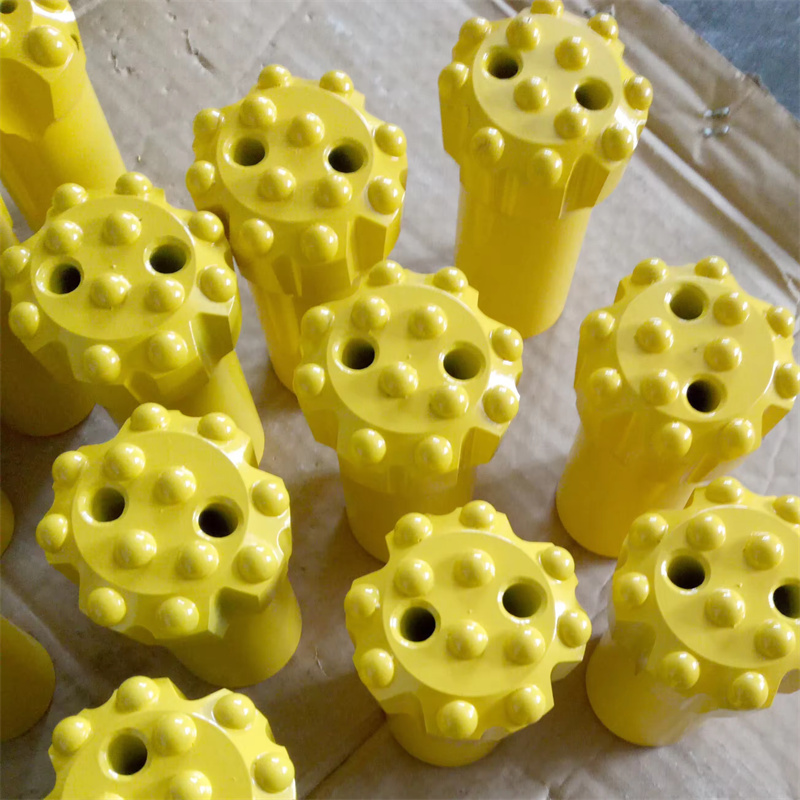
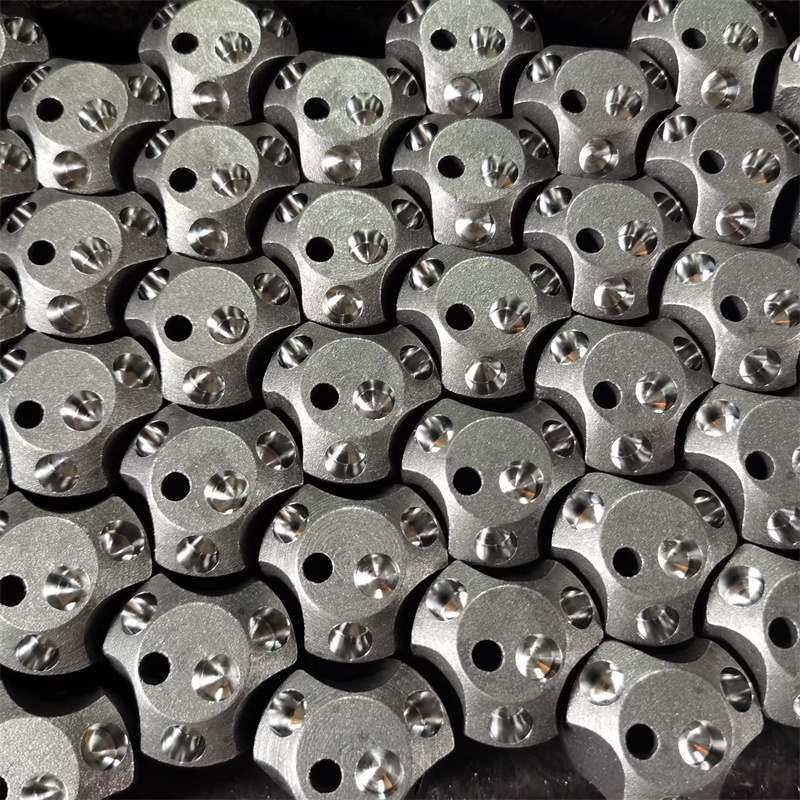
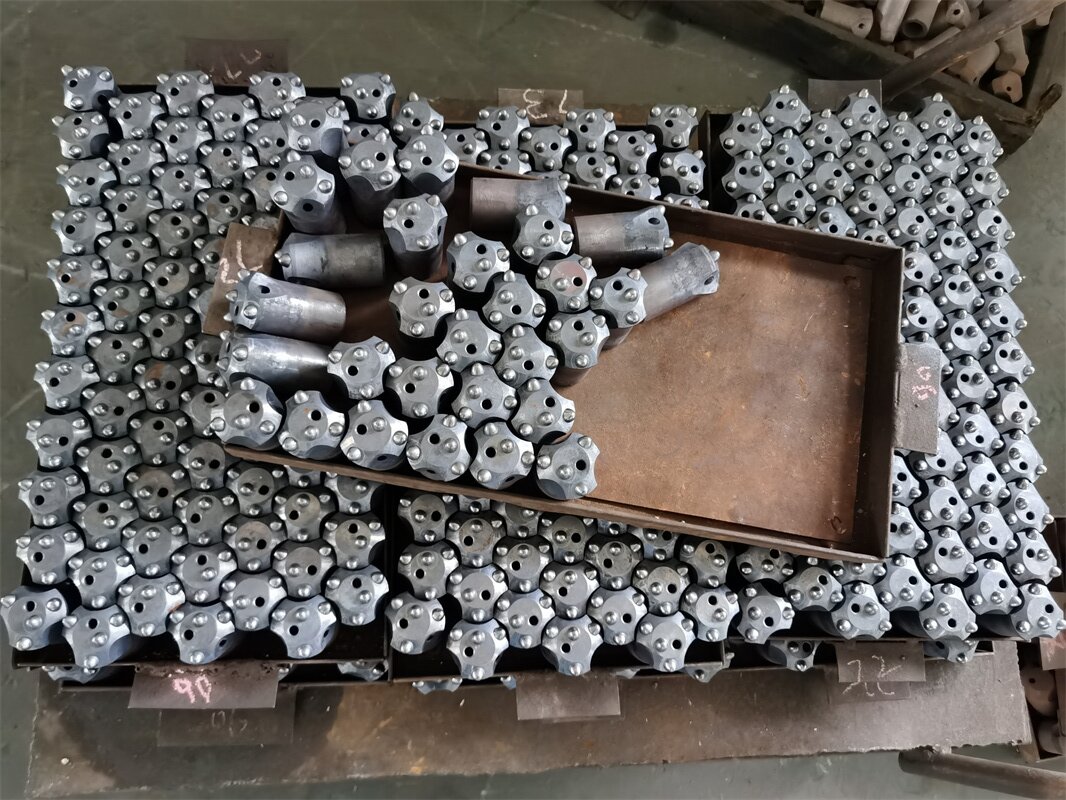
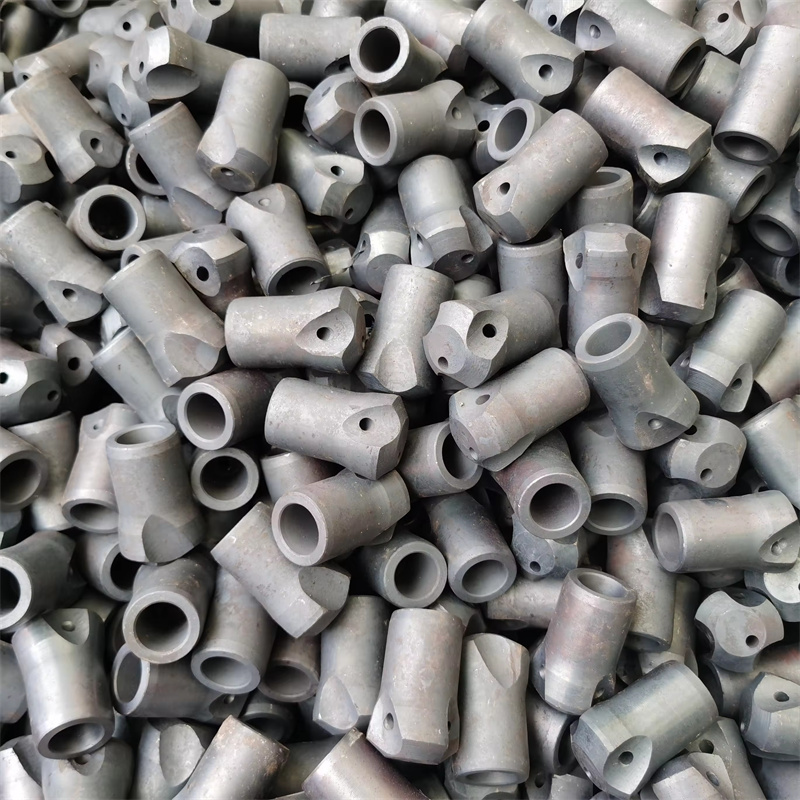

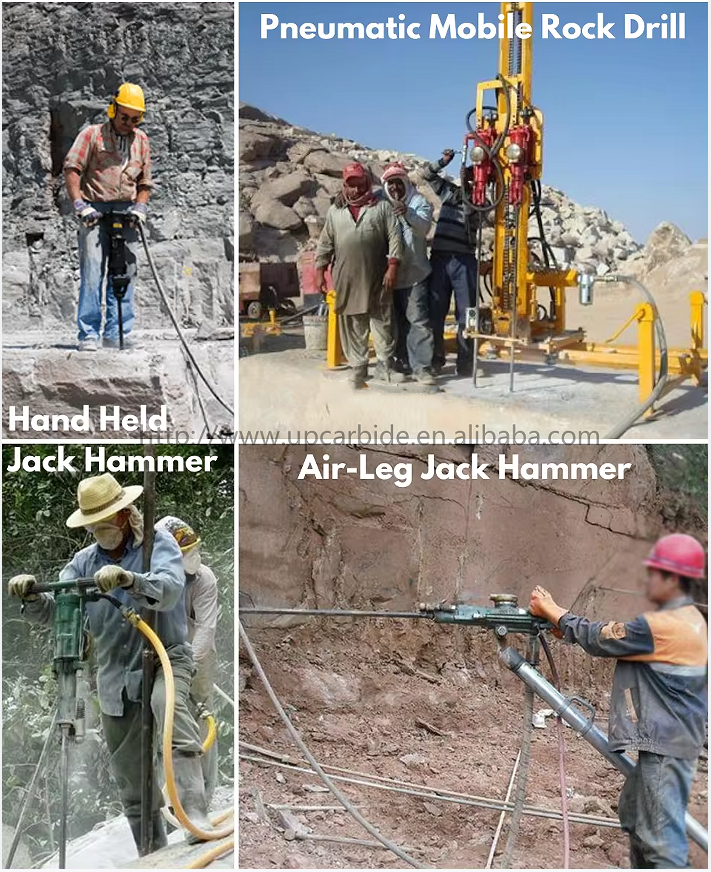



The basic drilling methods include the auger drilling method, flushing method, impact percussion drill, rotary drill, core drill, non-core drill, rotary-percussion drill, hand auger, flight auger, wash boring, and clay cutter.
The choice of drilling method is determined based on the specific terrain, environment, and actual field conditions, evaluated through detailed planning, observation, and resource constraints such as equipment and labor.
A drilling tool is typically composed of an active drill pipe, a standard drill pipe, a core pipe, a reamer, and a drill bit at the bottom end. Depending on requirements, a sedimentation pipe or drill collar may also be added to the core pipe.
The main function is to transmit pressure and rotary torque to the drill bit during drilling through rock formations, and to supply flushing fluid to the bottom of the hole for collecting rock cores.
Grades such as YK25, YG11C, and YG13C are highly recommended for drilling medium-hard, hard, and very hard formations due to their high hardness and Transverse Rupture Strength (TRS).
YG11C consists of 11% Cobalt (Co) and 89% Tungsten Carbide (WC). It features a density of 14.4 g/cm³, a hardness rating of 87 HRA, and a Transverse Rupture Strength (TRS) of 2850 MPa.