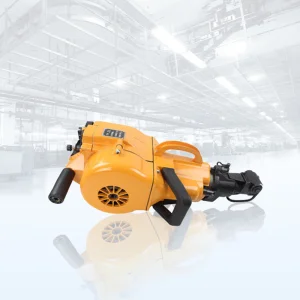
Engineered for high performance, reliability, and precision under harsh subsurface environments.
In modern civil engineering, underground utility mapping has evolved from a basic precautionary measure to a high-precision discipline regulated by rigorous international guidelines. Utilizing non-destructive testing (NDT) technologies, such as Ground Penetrating Radar (GPR) and Electromagnetic Induction (EMI), allows engineers to map, identify, and categorize buried infrastructure prior to any physical excavation.
For operations involving deep foundation systems, geotechnical drilling, and anchoring, having an accurate digital map of the subsurface is critical. This process directly complies with the ASCE 38-22 (Standard Guidelines for Investigating and Documenting Existing Utilities), classifying data quality from Class D (historical records) up to Class A (physical exposure). Integrating these mapping workflows with ruggedized mechanical tooling ensures zero-strike drilling operations, minimizing liability and structural risks.
Certified Compliance
Mapping Reliability
Standard Alignment
Excavation Strikes
Our mapping machinery utilizes multi-frequency radar arrays combined with real-time kinematic (RTK) positioning to deliver sub-decimeter accuracy. This allows users to obtain reliable spatial coordinate datasets, satisfying both technical and regulatory inspection standards in highly saturated utility zones.
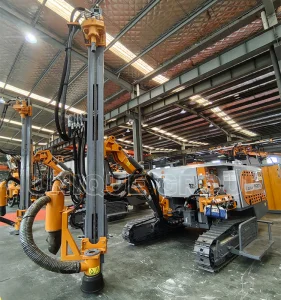
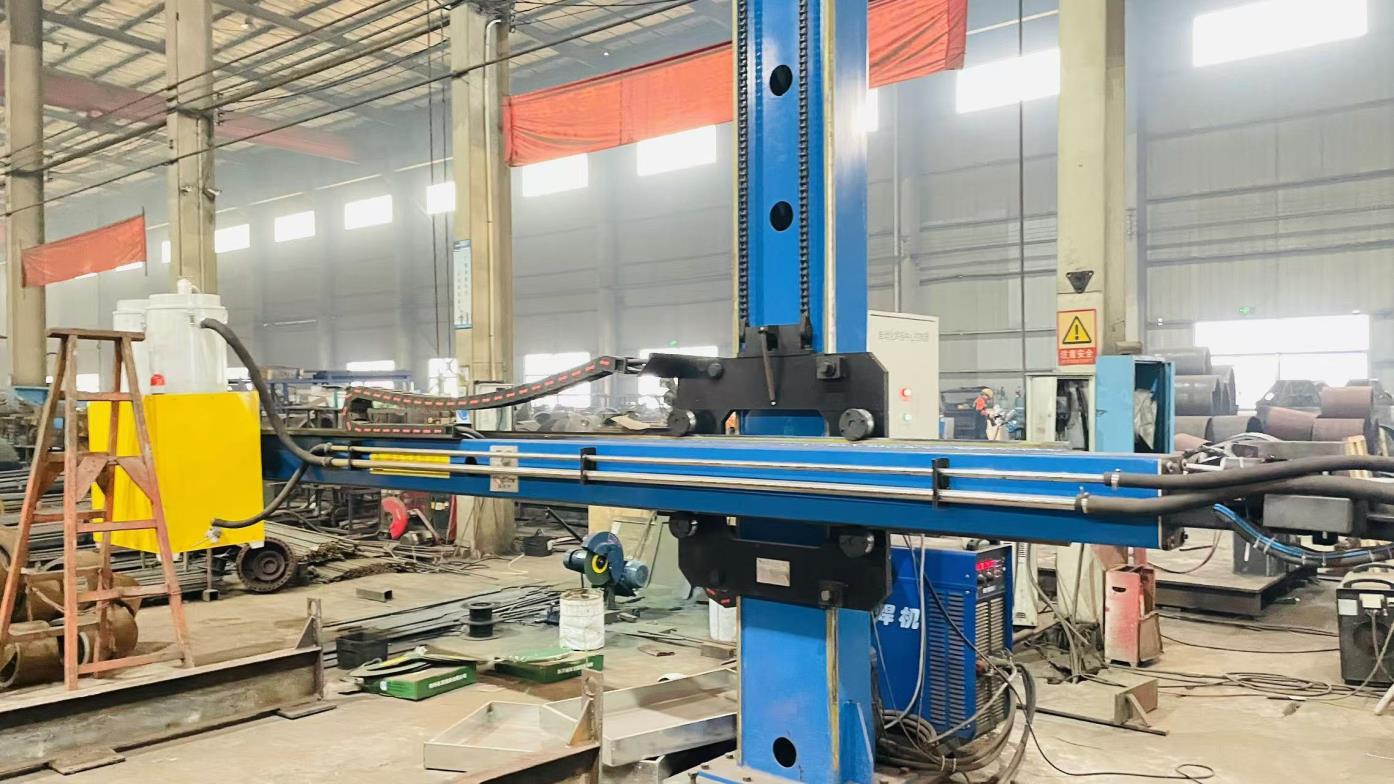
A detailed look into the precision assembly, welding, and quality control lines of Shandong E-Way Machine Co., Ltd.
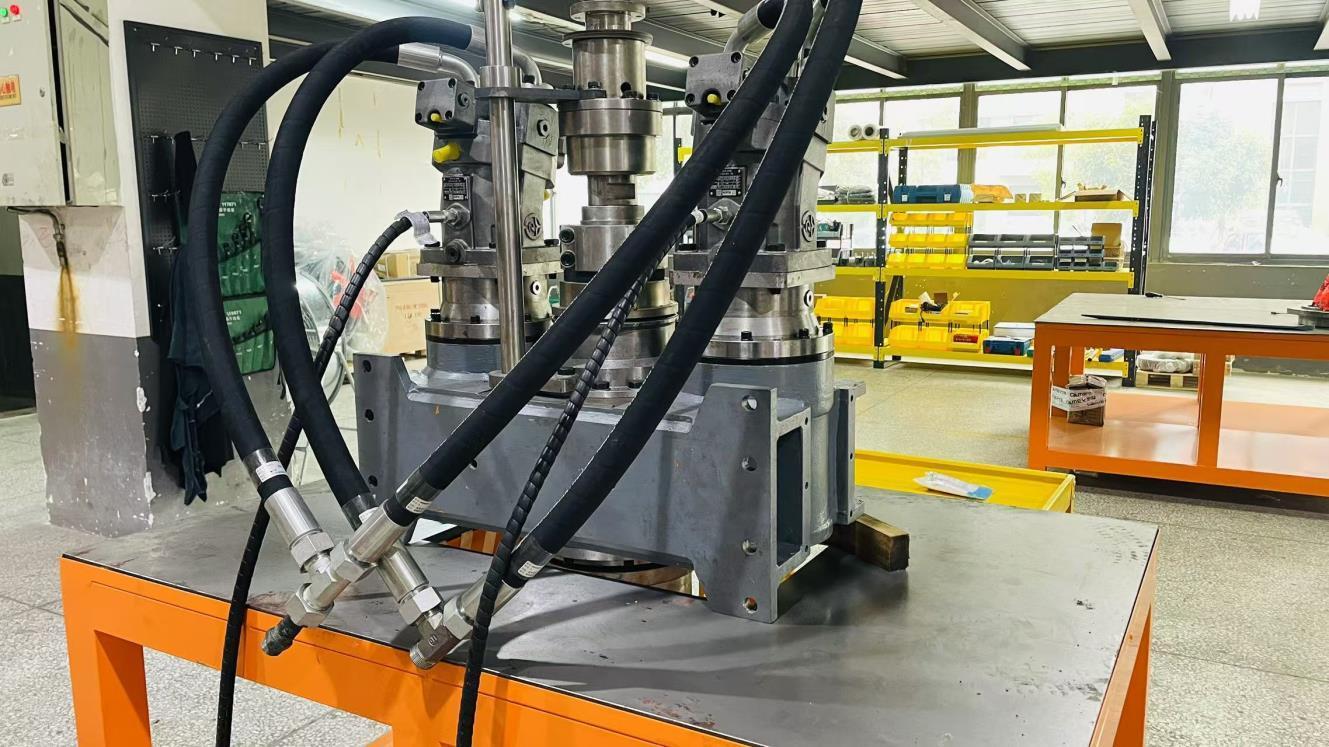
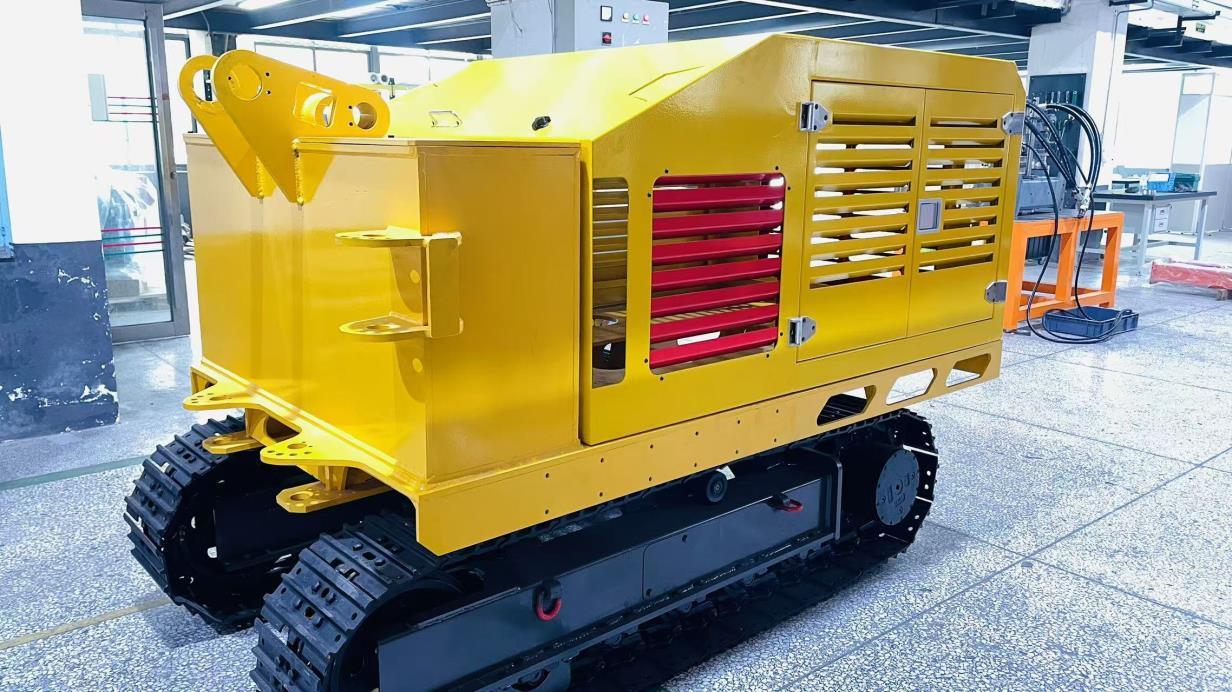
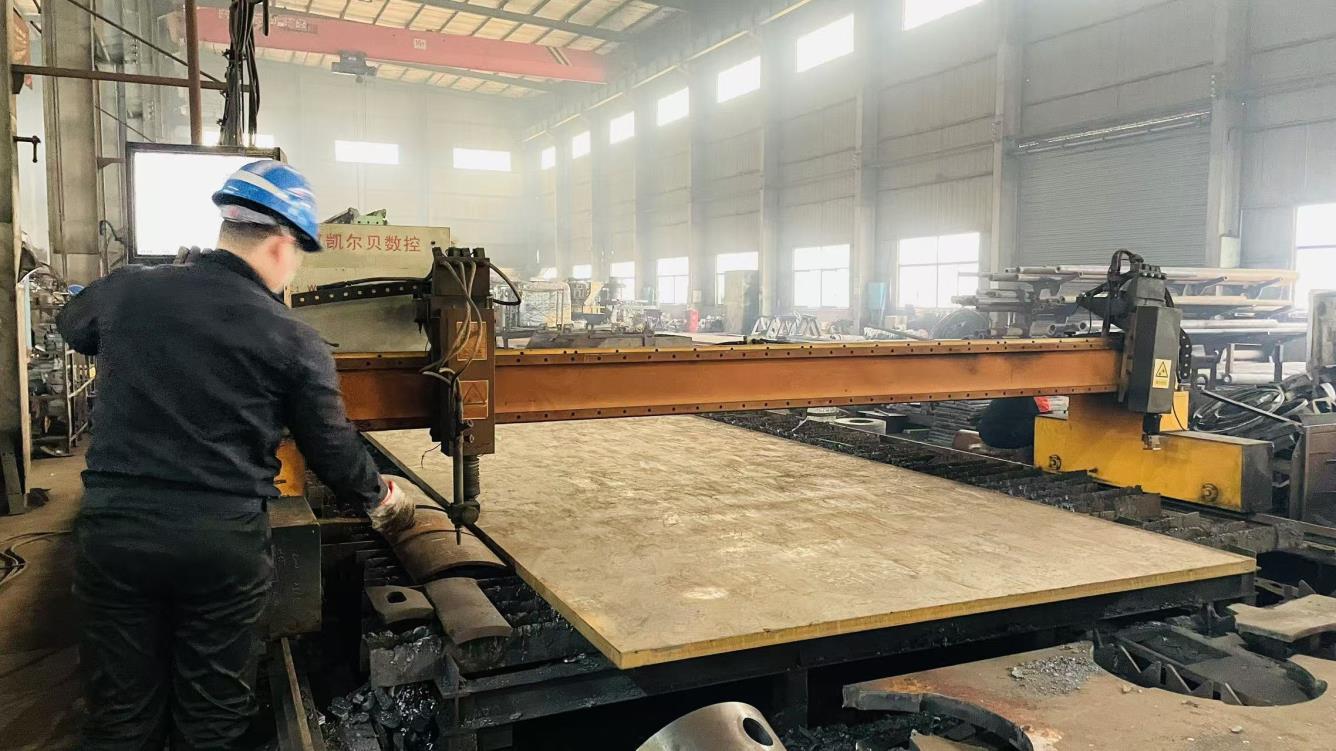
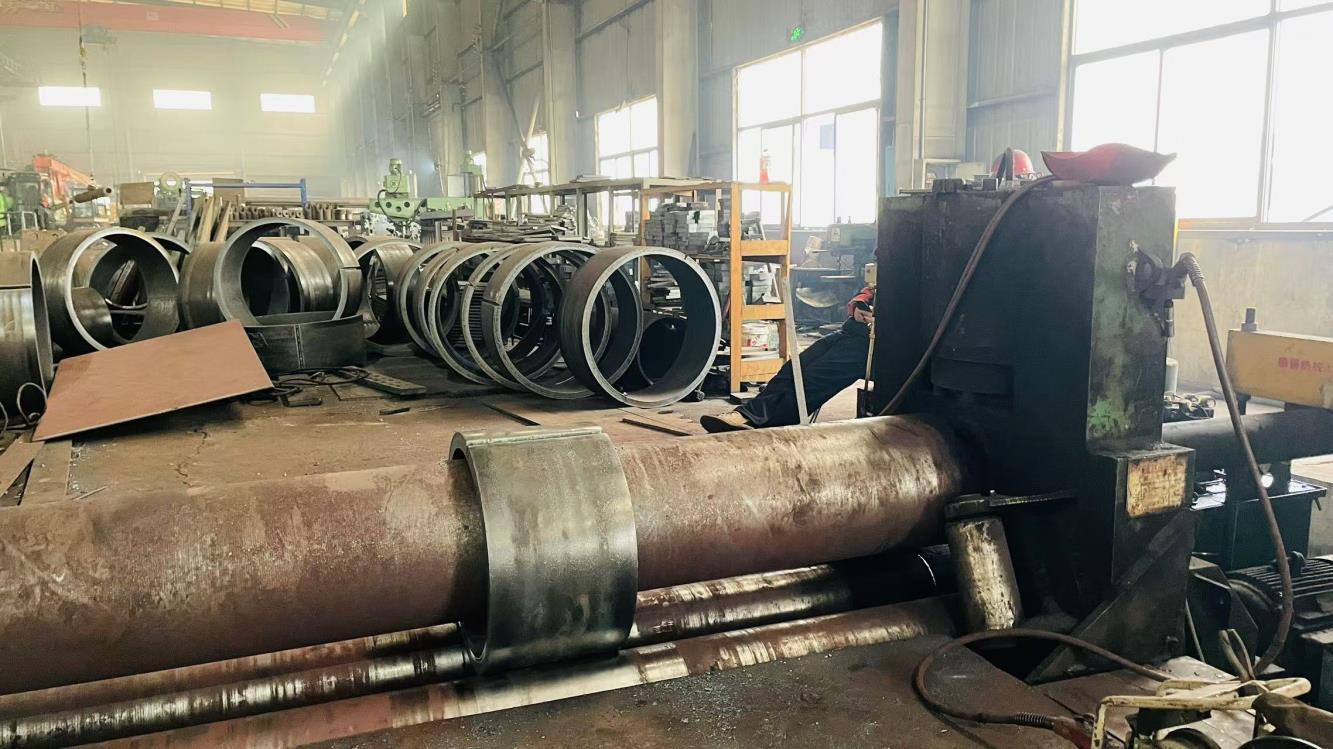
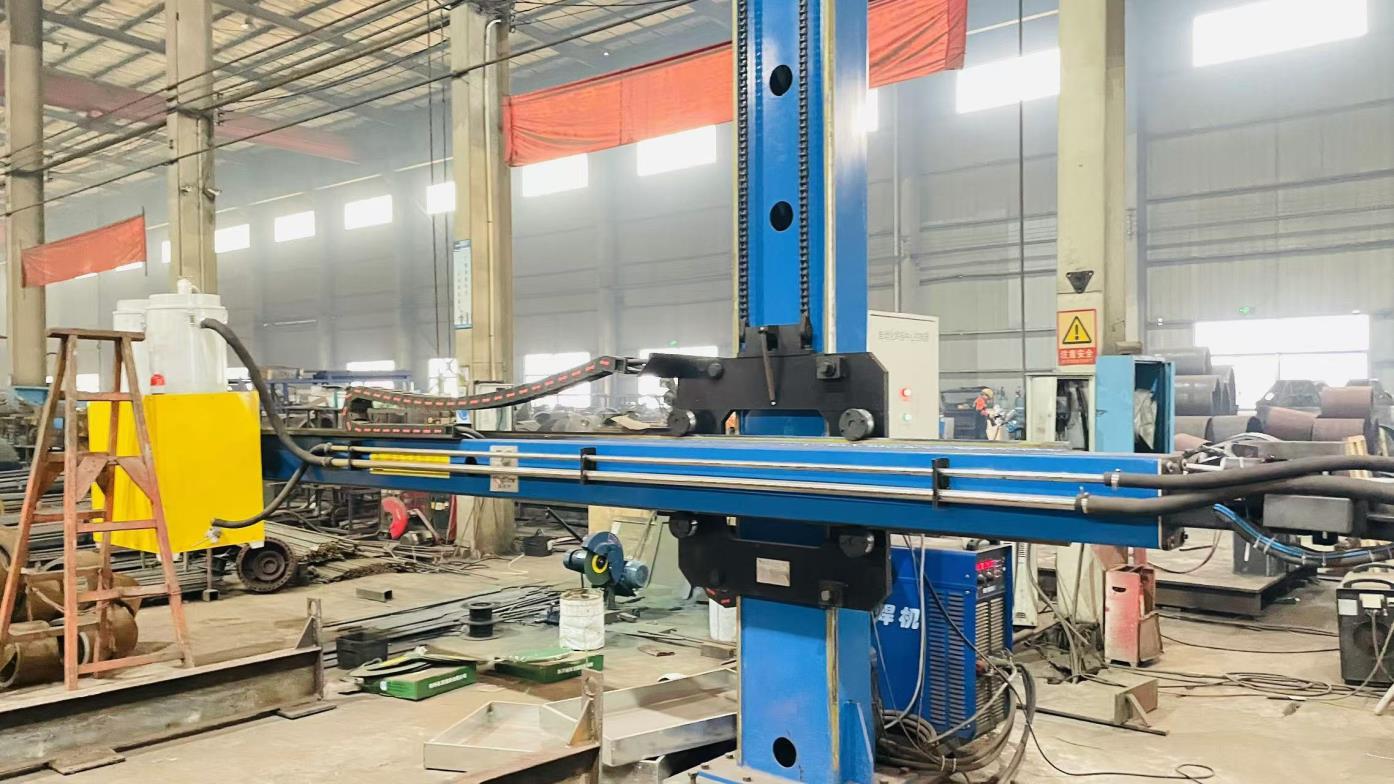
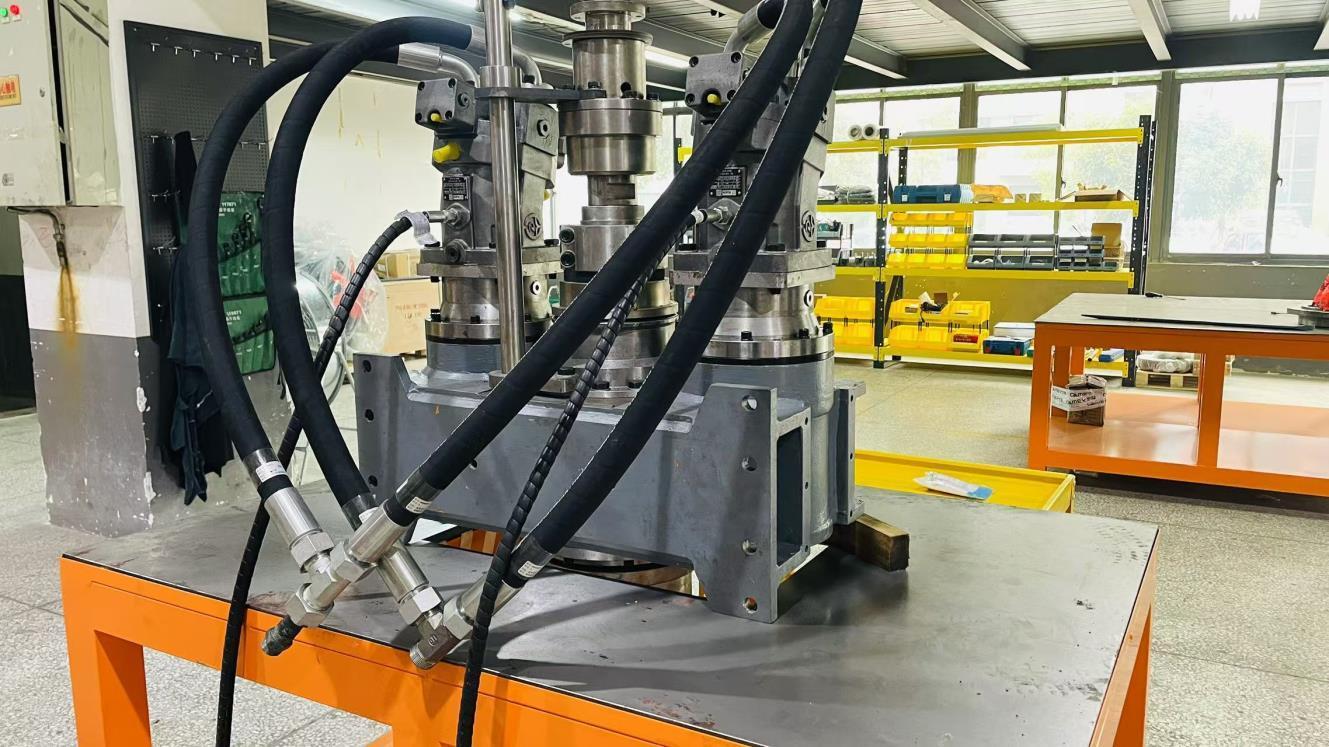
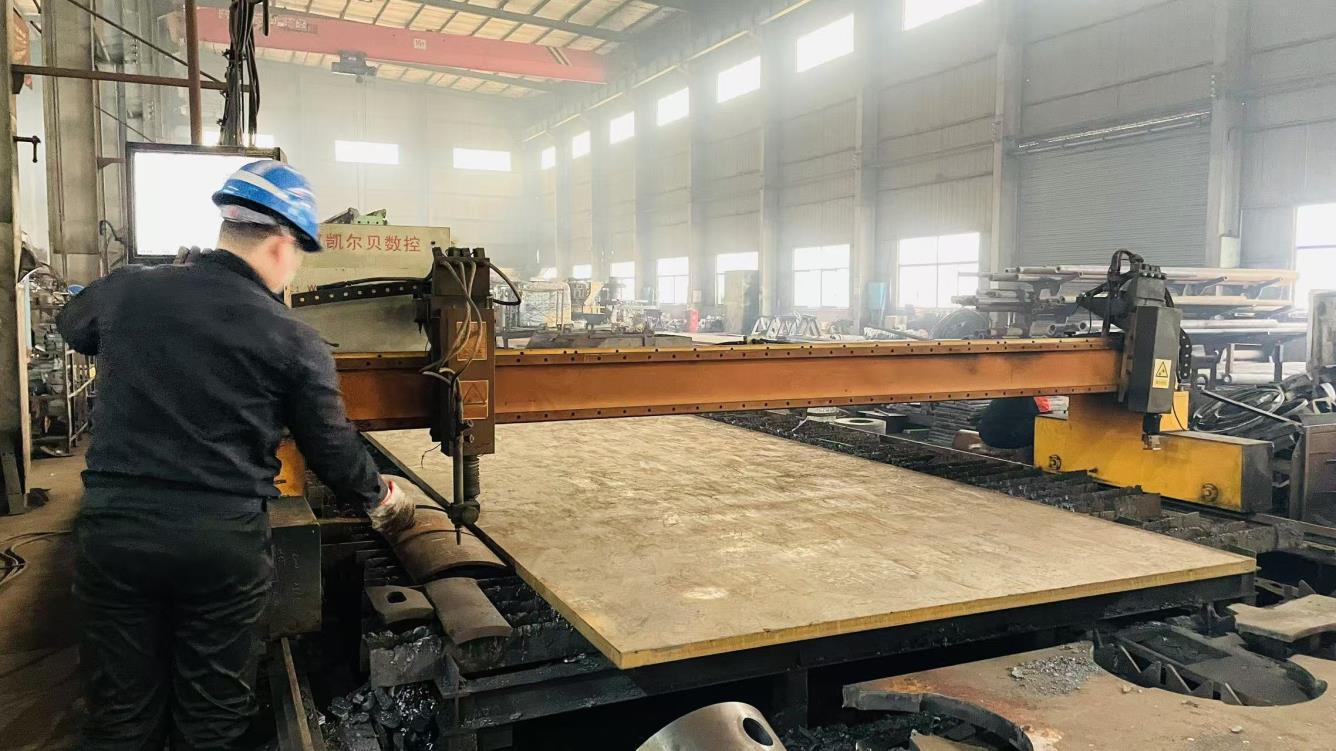
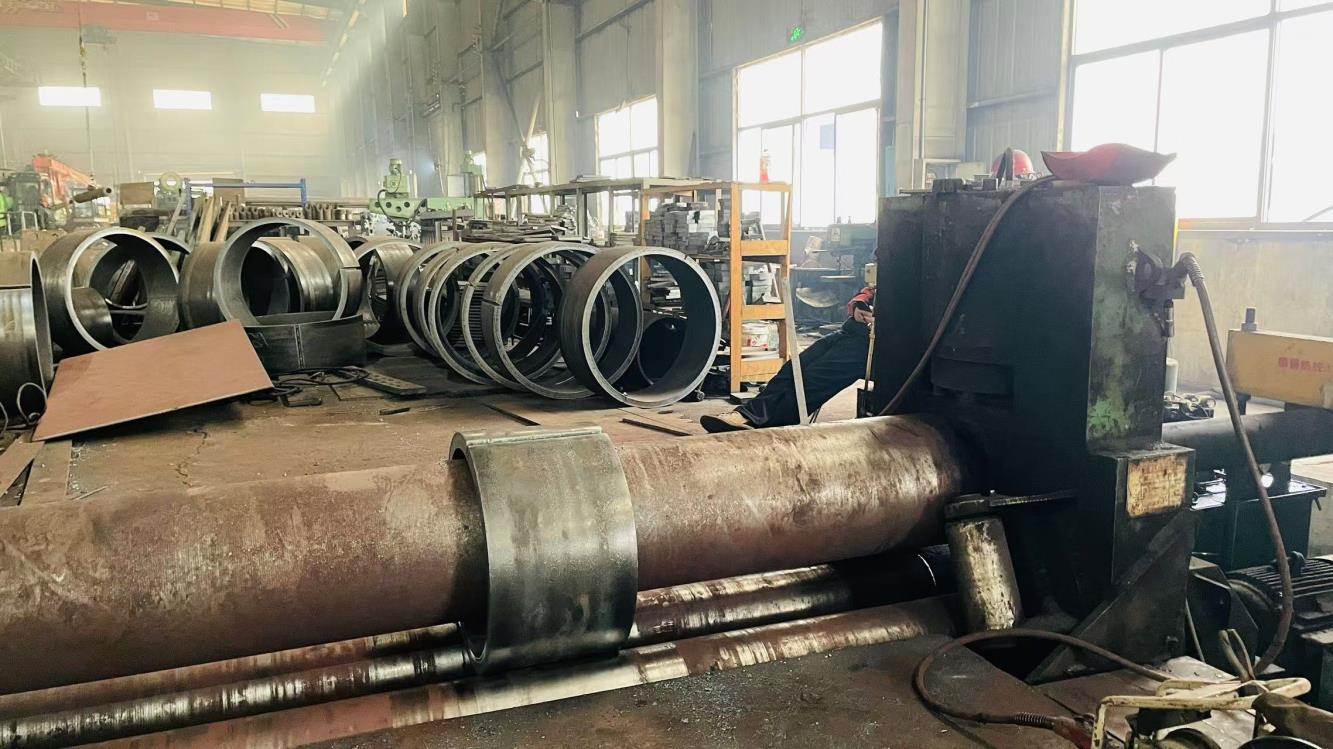
Driving Innovation in Industrial Machinery and Building a New Era of Advanced Equipment Manufacturing
Shandong E-Way Machine Co., Ltd. is a modern industrial equipment manufacturer dedicated to the research, development, production, and service of high-quality machinery and engineering solutions. With a strong focus on technological innovation and manufacturing excellence, the company serves customers in mining, construction, and various heavy-duty industrial sectors worldwide.
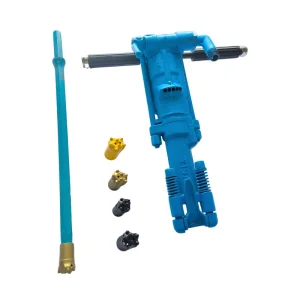
Over the years, Shandong E-Way Machine has developed a diversified product portfolio covering mining and construction drilling equipment, pneumatic and hydraulic tools, anchoring and support systems, mechanical transmission components, and a wide range of spare parts and accessories. In addition, the company provides customized machining services, including precision components, structural parts, and wear-resistant engineering plastic products, meeting the specific needs of different working conditions and industries.
Quality is the foundation of our enterprise. Shandong E-Way Machine strictly follows a comprehensive quality management system throughout every stage of production—from raw material selection and precision machining to final inspection and testing.
Understanding the critical importance of safety in mining and industrial applications, our products are engineered with enhanced structural strength, safety protection features, and long-term durability. This ensures reliable operation under high load, harsh conditions, and continuous working environments.
At Shandong E-Way Machine, we uphold a customer-first philosophy and are committed to delivering complete lifecycle support. Our service system includes pre-sales consultation, design of technical solutions, installation guidance, and comprehensive after-sales support, enabling long-term partnerships with our global clients.
Unmatched supply chain integration, raw material access, and advanced engineering capabilities.
Located in Shandong, the heart of China’s heavy machinery manufacturing cluster. We source premium-grade structural steel and hydraulic components locally, shortening production lead times and reducing transportation overhead.
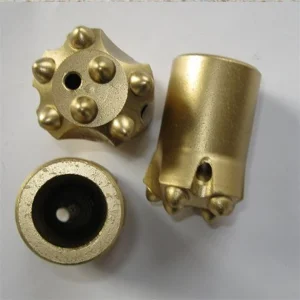
Our facilities implement advanced thermodynamic treatment processes, forging high-strength alloy steels and tungsten carbide arrays that exhibit superior abrasion resistance and higher load tolerances than industry standards.
We configure drill rigs, mapping transmitters, and rock support anchor designs to specific topographical constraints. Our engineering division reviews clients' soil profiles and geologic parameters to customize custom machinery packages.
Integrating mapping diagnostics with high-efficiency structural drilling to address geological challenges.
For municipal expansion and urban civil works, our integrated GPR and electromagnetic detection systems provide precise coordinates of buried power, gas, fiber-optic, and drainage systems. This eliminates the risk of utility strikes during trenchless drilling and micro-tunneling.
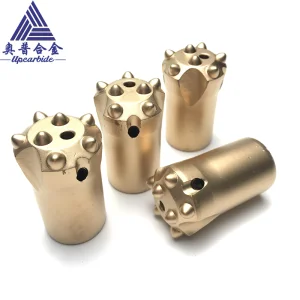
Before drilling long boreholes or executing blast sequences, mapping the integrity of the rock face is critical. Our rock drill bits, friction stabilizers, and anchor systems are deployed based on real-time spatial scans of rock fractures, ensuring stable tunnels and roofs in underground mining networks.
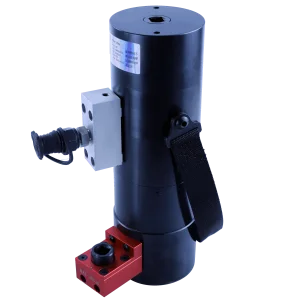
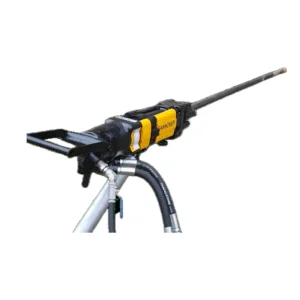
For bridges, wind power towers, and heavy structural foundations, our hydraulic bolt tensioners and high-torque rigs guarantee secure fastening. Ensuring that the structural anchors are fastened to correct tolerances mitigates settling risk and enhances structural service life.
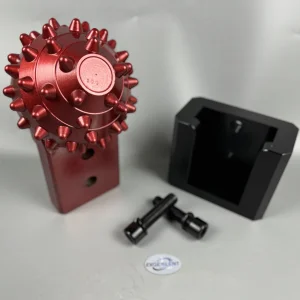
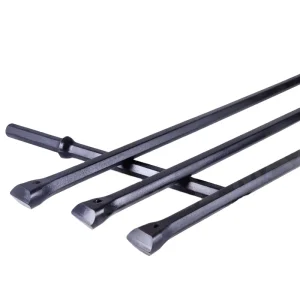
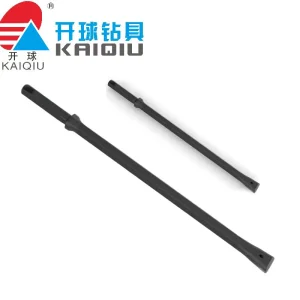
In water well creation and horizontal directional drilling (HDD), precision forging drill steels and roller cone palm bits overcome heterogeneous rock layers, delivering stable boreholes while preserving target borehole paths.
The convergence of non-destructive imaging, artificial intelligence, and robotic drilling machinery.
Modern utility mapping systems utilize deep learning neural networks to automatically identify and classify buried pipe materials, distinguishing PVC, metallic conduit, and fiber optics based on hyper-spectral signal reflections.
Point-cloud datasets from GPR and utility locators are being integrated directly into CAD and Building Information Modeling (BIM) programs, allowing project designers to walk through virtual subterranean utility grids prior to site construction.
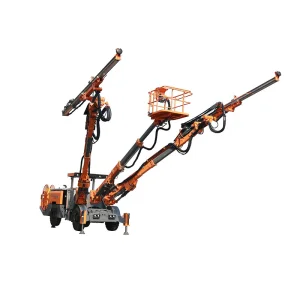
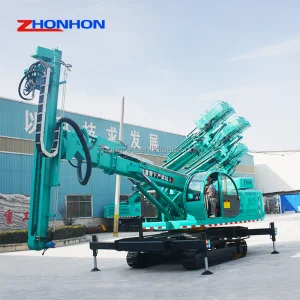
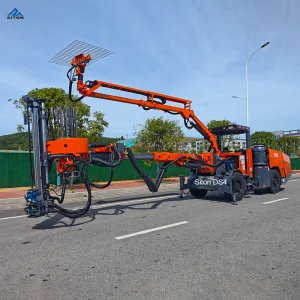
Real-time drilling telemetry integrated with geotechnical sensors allows crawler DTH and jumbo drilling rigs to automatically adjust rotational speeds and torque output depending on the rock layers detected by mapping telemetry.
EPC contractors, municipal authorities, and international mining groups demand high-precision utility locators and heavy-duty drilling systems that conform to several critical pillars:
Innovation is the core driving force behind Shandong E-Way Machine’s sustainable development. The company brings together experienced engineers and technical experts specializing in mechanical design and industrial equipment development. Through continuous research and development, we improve product structures, enhance operational efficiency, and upgrade performance reliability.
By integrating advanced manufacturing technologies and practical engineering experience, we have developed a series of independently designed products that deliver stable performance even under complex and demanding working environments.
Expert answers regarding utility locating technologies, drilling safety, and equipment sourcing.
Ground Penetrating Radar transmits high-frequency electromagnetic radio waves into the ground and detects reflected signals from subsurface boundary interfaces, allowing it to locate both metallic and non-metallic objects (such as plastic, clay, and concrete pipes). Electromagnetic Induction, conversely, detects the magnetic fields generated by alternating electric currents flowing along conductive metallic utilities. EMI is highly effective for tracing trace wires and metallic piping networks, while GPR is required for non-conductive conduits.
CE Certification indicates that the machinery complies with European Union directives regarding health, safety, and environmental protection. For purchasing agents, this guarantees that components such as hydraulic valves, motors, electrical wiring systems, and structural welds satisfy ISO and EN safety standards, reducing operator risk and simplifying custom clearance procedures in Europe, Australia, and North America.
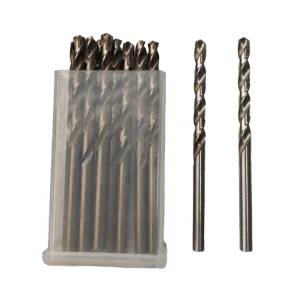
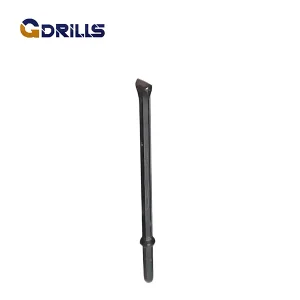
Our drill bits and stabilizers are constructed from high-tensile molybdenum alloy steel (such as M2 HSS) and premium structural steel alloys. These materials undergo heat treatment and TiCN (Titanium Carbo-Nitride) coating processes to resist thermal deformation and abrasive wear during high-impact operations in hard rock formations.
By inputting 3D utility mapping coordinates into the navigation software of automated crawler drill rigs (such as the ZEGA D535 or DS4 Rock Support Drill Rig), operators can pre-define drilling depth limits and exclusion zones. This digital workflow acts as a fail-safe mechanism, automatically stopping rotational torque if the bit nears a mapped utility line.
Heavy duty anchoring, bolting, and subterranean excavation systems for large-scale engineering projects.