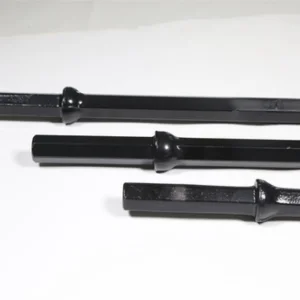
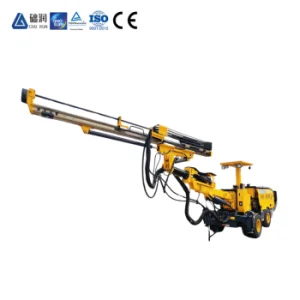
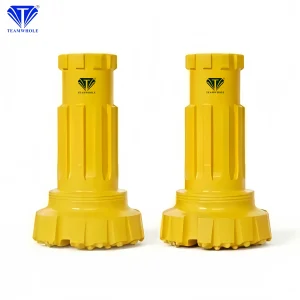
Explore our industrial range of high-efficiency rock drills, anchor rigs, and structural support tools manufactured under stringent ISO quality controls.
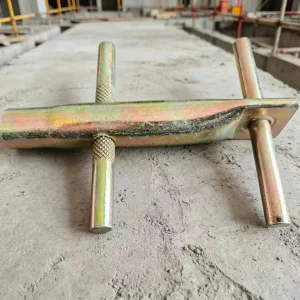
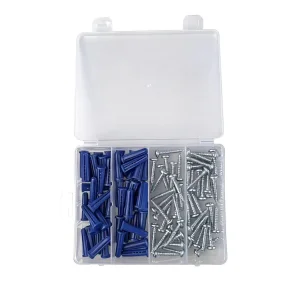
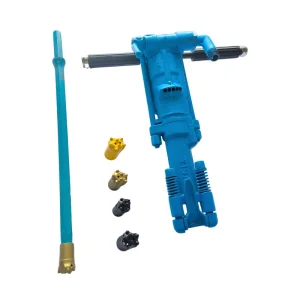
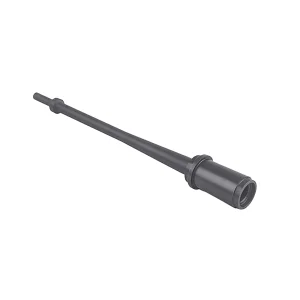
Within modern geotechnical engineering, the implementation of foundation stabilization, tunnel support, and deep slope retention hinges upon the structural integrity of mechanical systems. At the center of these operations sits the grouting pump for anchor drilling. It is the crucial engine that drives cementitious, bentonite, or chemical grouts deep into fractured geological formations. As high-speed infrastructure projects expand across complex environments worldwide, understanding the mechanical kinematics, application criteria, and manufacturing dynamics of these units is essential for geotechnical engineers and global machinery distributors alike.
In anchor drilling applications, soil nails, rock bolts, and multi-strand cable anchors are inserted into pre-drilled boreholes to prevent lateral and vertical displacements. However, the steel tendon itself cannot bear structural tension without a load-transfer medium. Grout acts as the coupling element that transfers tensile stress from the anchor to the surrounding soil or rock matrix. It also seals the anchor from environmental degradation, serving as a primary defense against electrochemical corrosion.
To establish this bond, the grouting pump must deliver a steady, continuous stream of grout at a predetermined pressure and flow rate. Any pressure drops can cause air pockets or gaps in the borehole, which significantly reduces the structural reliability of the anchor system and poses risks of localized ground failure.
Engineering projects use two main types of pump designs based on slurry viscosity, depth, and pressure requirements:
The global demand for wholesale grouting pumps and anchoring systems has shifted toward specialized Chinese manufacturers. Driven by extensive domestic infrastructure development (such as high-speed rail lines, subway systems, and large hydroelectric dams), factories in China have modernized their production lines. By integrating precision CNC machining and automated welding, manufacturers now offer heavy-duty, high-performance machinery at competitive price points. In the global wholesale market, selecting a partner that controls the entire production cycle—from forging raw steel components to assembling the finished pumps—ensures reliable parts availability and consistent machine quality.
Driving Innovation in Industrial Machinery and Building a New Era of Advanced Equipment Manufacturing
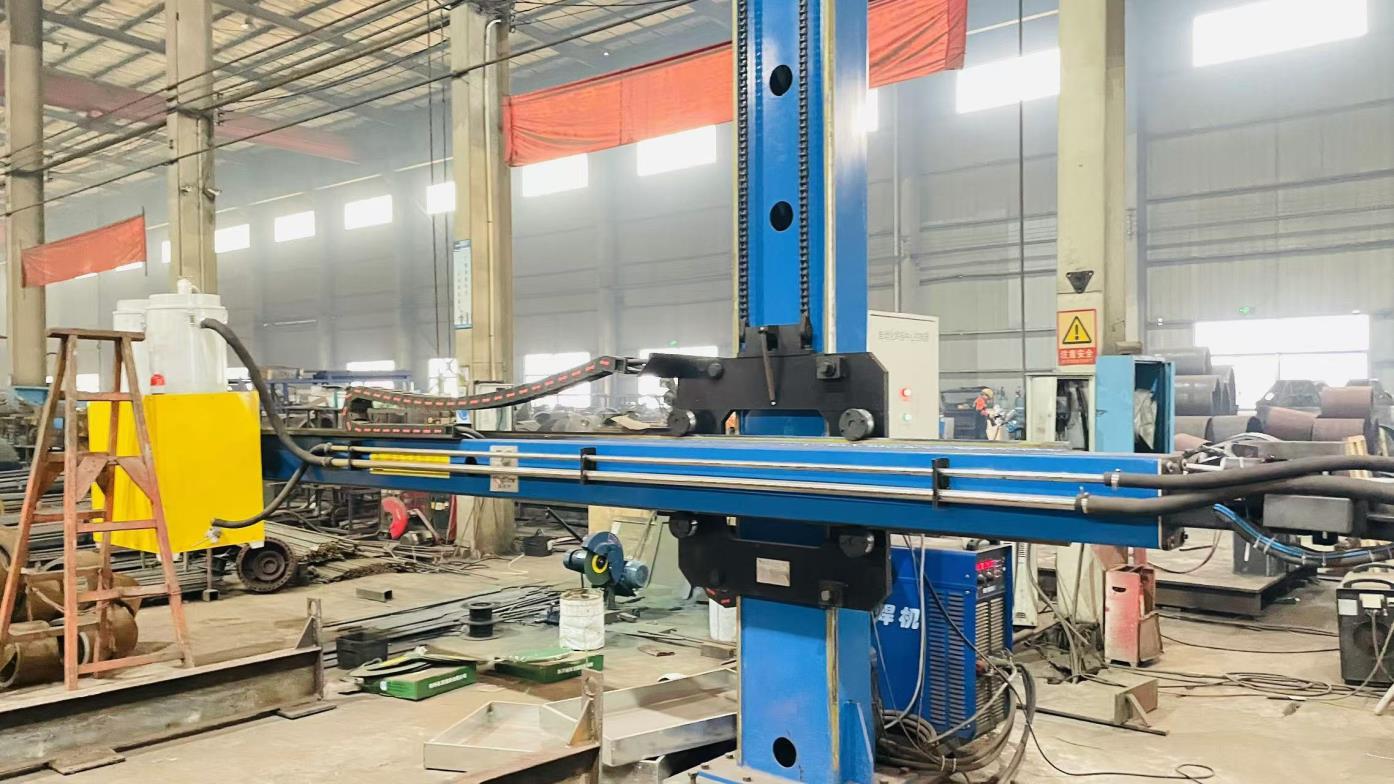
Shandong E-Way Machine Co., Ltd. is a modern industrial equipment manufacturer dedicated to the research, development, production, and service of high-quality machinery and engineering solutions. With a strong focus on technological innovation and manufacturing excellence, the company serves customers in mining, construction, and various heavy-duty industrial sectors worldwide.
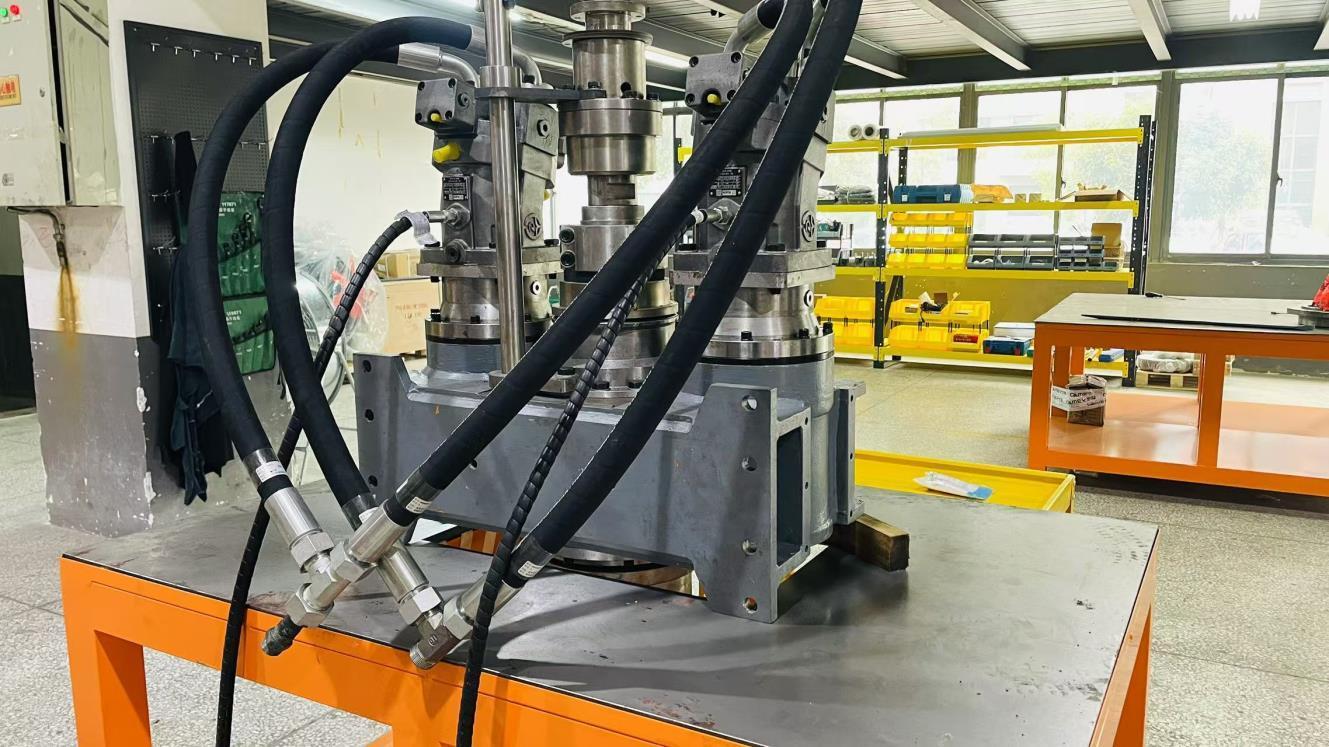
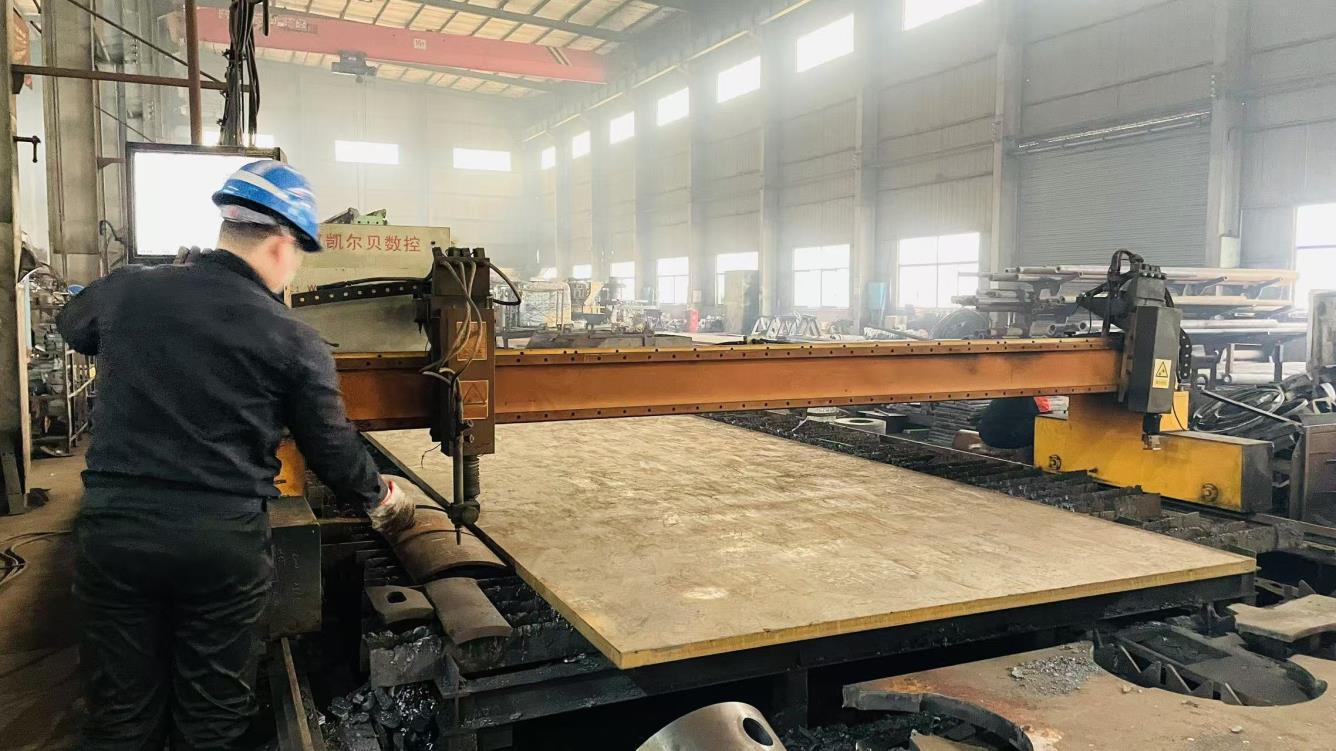
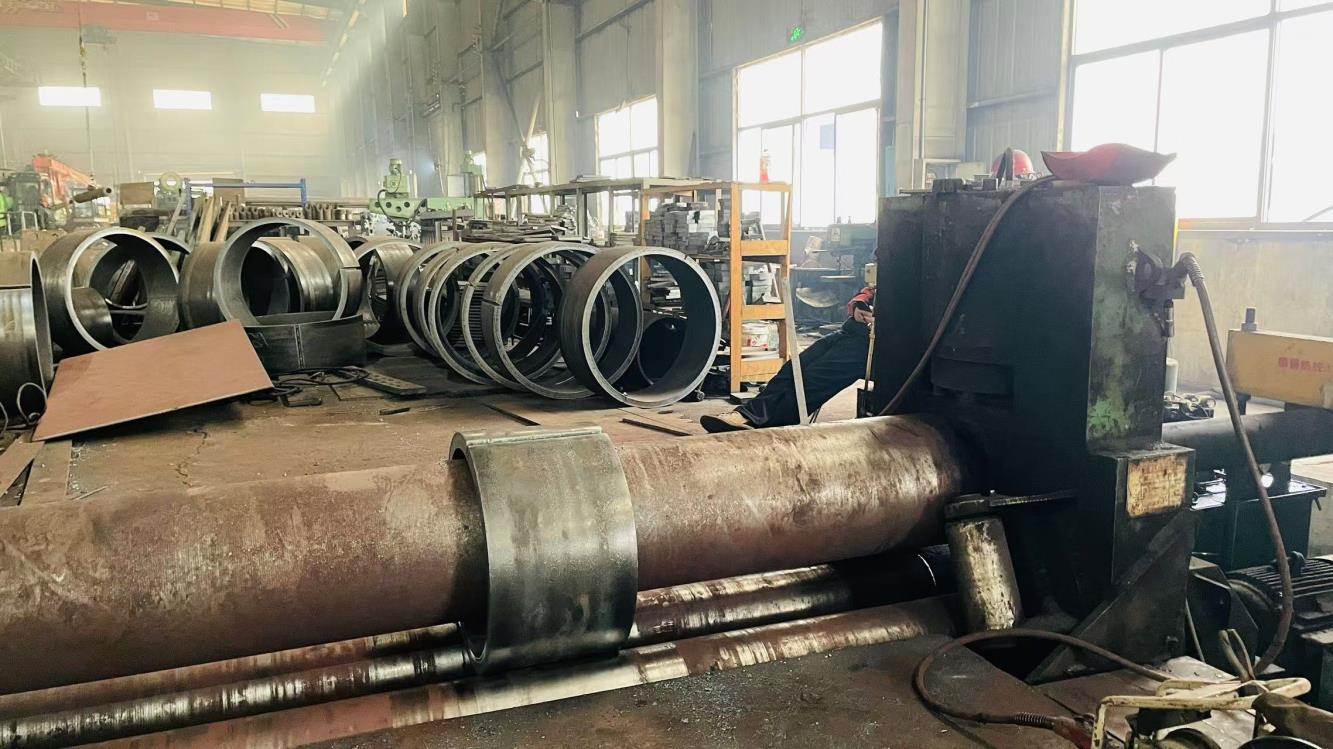
Over the years, Shandong E-Way Machine has developed a diversified product portfolio covering mining and construction drilling equipment, pneumatic and hydraulic tools, anchoring and support systems, mechanical transmission components, and a wide range of spare parts and accessories. In addition, the company provides customized machining services, including precision components, structural parts, and wear-resistant engineering plastic products, meeting the specific needs of different working conditions and industries.
Innovation is the core driving force behind Shandong E-Way Machine’s sustainable development. The company brings together experienced engineers and technical experts specializing in mechanical design and industrial equipment development. Through continuous research and development, we improve product structures, enhance operational efficiency, and upgrade performance reliability.
By integrating advanced manufacturing technologies and practical engineering experience, we have developed a series of independently designed products that deliver stable performance even under complex and demanding working environments.
Quality is the foundation of our enterprise. Shandong E-Way Machine strictly follows a comprehensive quality management system throughout every stage of production—from raw material selection and precision machining to final inspection and testing.
Understanding the critical importance of safety in mining and industrial applications, our products are engineered with enhanced structural strength, safety protection features, and long-term durability. This ensures reliable operation under high load, harsh conditions, and continuous working environments.
At Shandong E-Way Machine, we uphold a customer-first philosophy and are committed to delivering complete lifecycle support. Our service system includes pre-sales consultation, technical solution design, installation guidance, and comprehensive after-sales support.
We aim not only to provide high-quality products but also to ensure customers receive timely technical assistance and reliable service throughout the entire usage process. This commitment enables long-term partnerships and mutual success with our global clients.
Moving forward, Shandong E-Way Machine Co., Ltd. will continue to embrace the principles of innovation-driven growth, quality excellence, and service-oriented development. We are committed to advancing intelligent manufacturing, expanding application areas, and improving product efficiency, safety, and sustainability.
Together with global partners, we strive to contribute to the continuous progress of the industrial machinery sector and create a smarter, safer, and more efficient future.
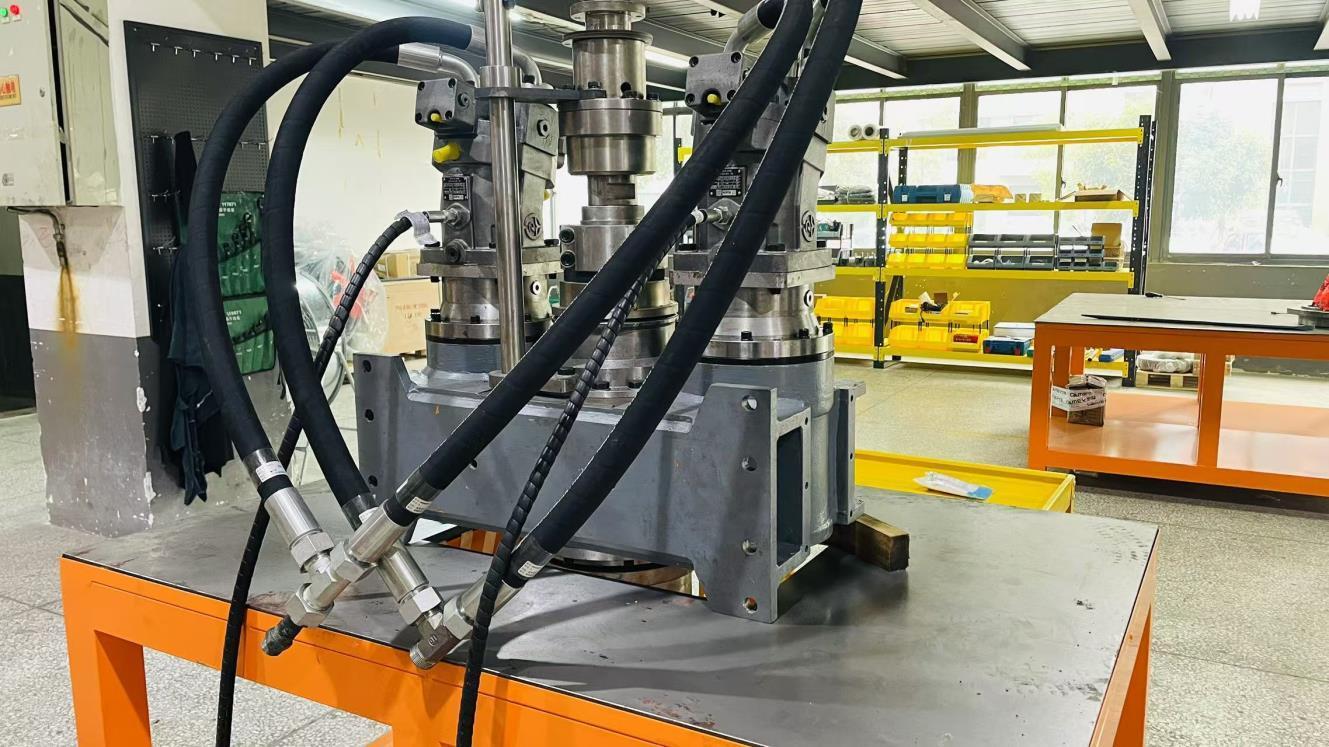
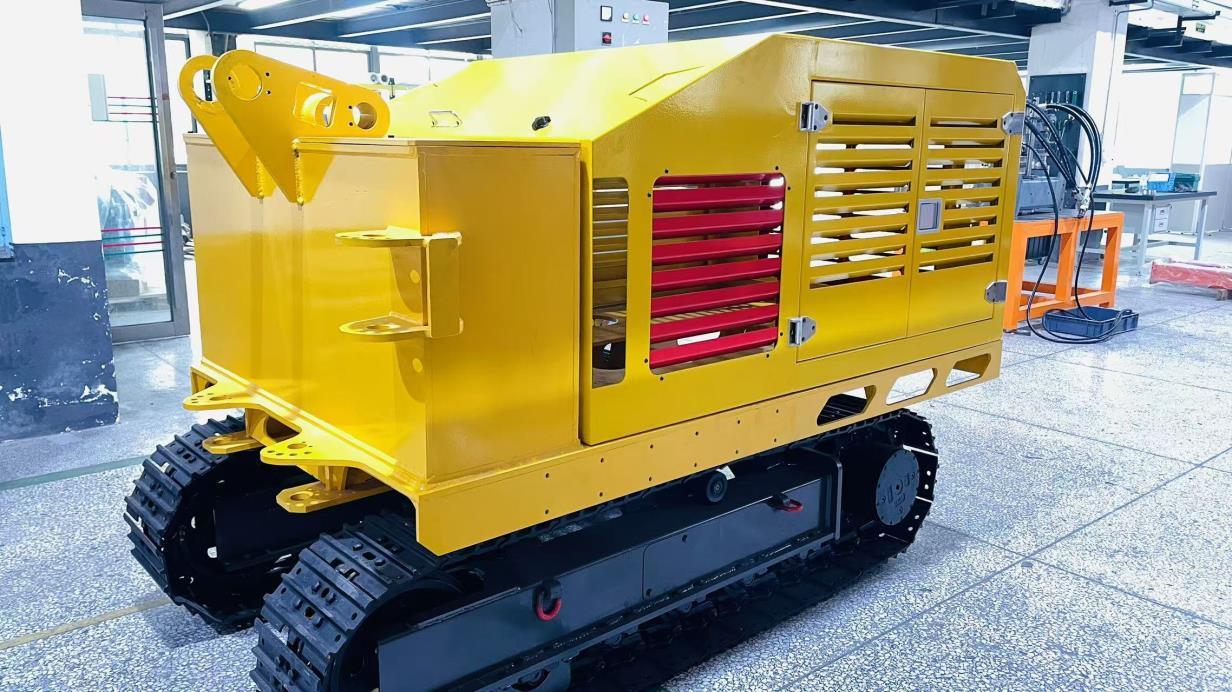
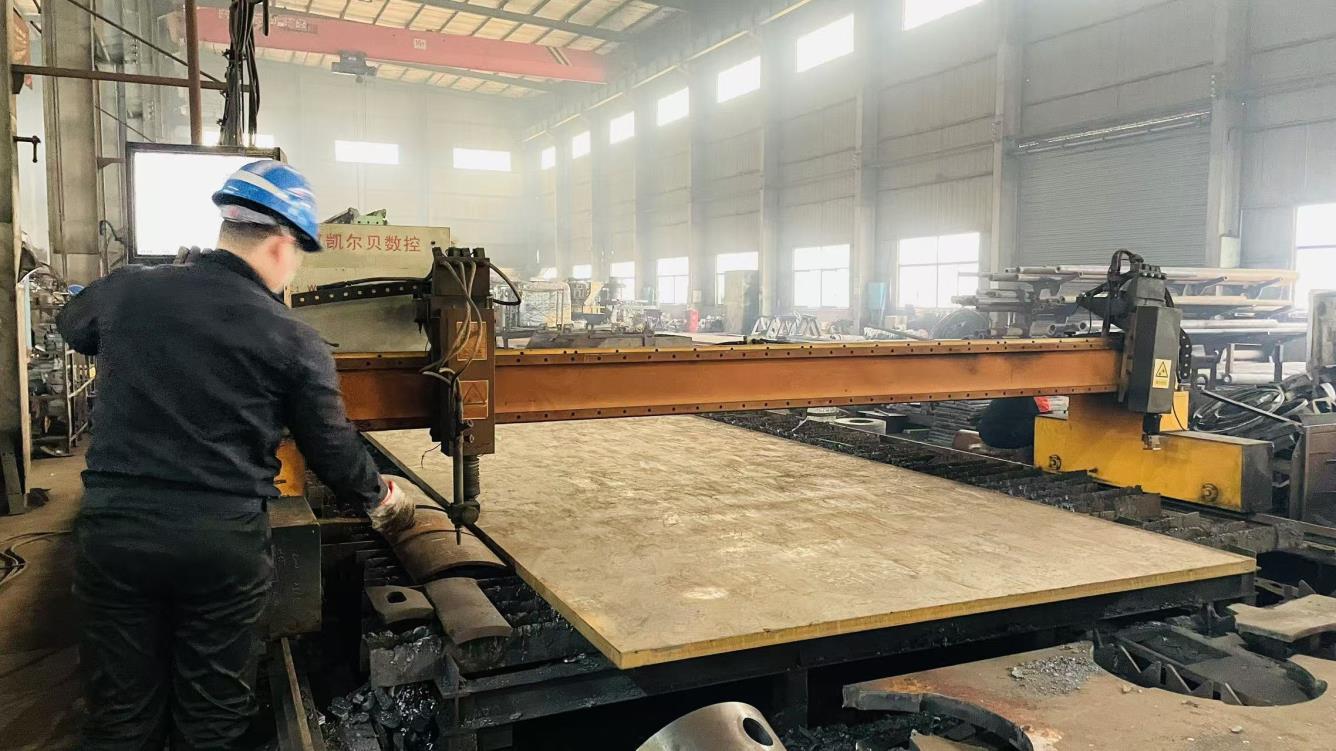
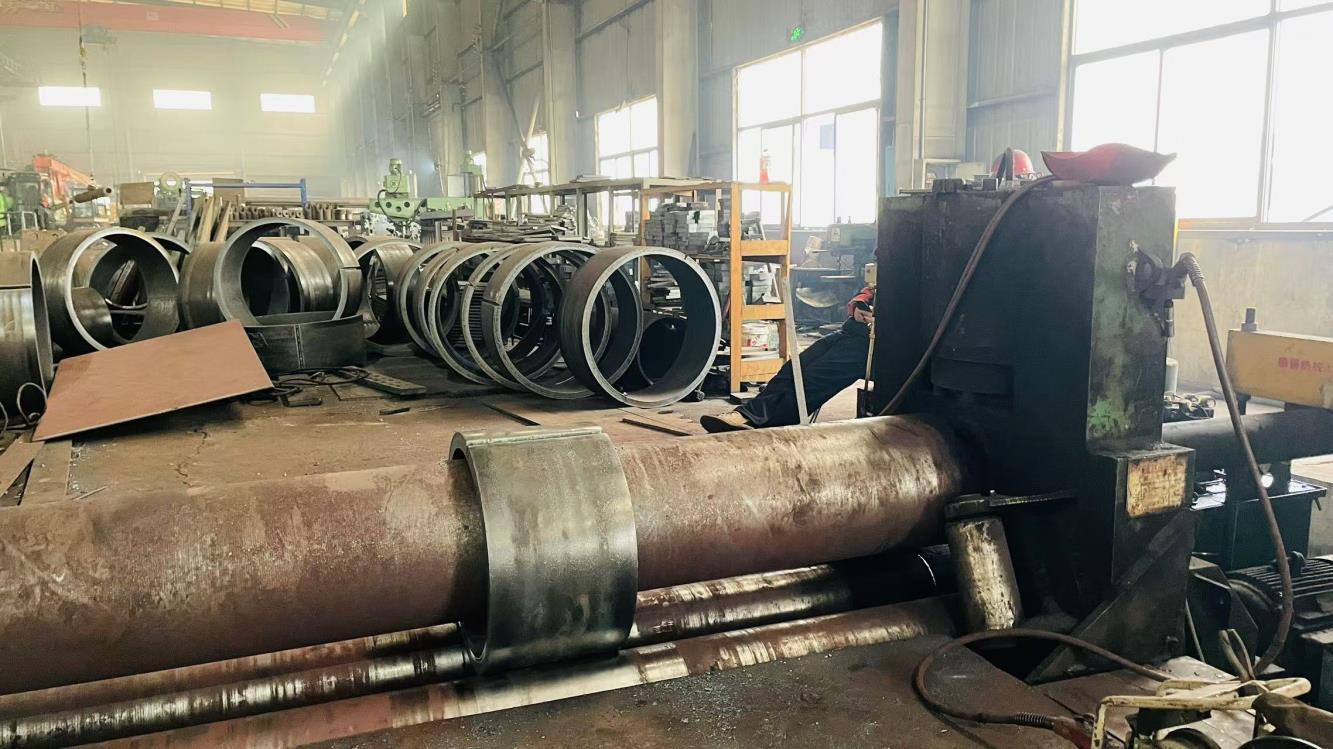
How Shandong E-Way Machine plans to lead the next generation of geotechnical injection and mining machinery.
Integrating digital sensors inside the pumping cylinder allows for instantaneous adjustment of flow rates based on changing geological backpressures. This prevents micro-fracturing in fragile formations.
Developing stators and piston seals using advanced fluorocarbon-based polymers and wear-resistant high-chromium alloys. This quadruples the service life when pumping abrasive grouts.
Implementing Cloud-connected control panels on our anchor bolting rigs and grouting systems. This allows remote maintenance teams to monitor pump pressure and detect potential diaphragm failures in real-time.
Designing delivery valves specifically optimized for low-carbon geopolymer grouts. This helps global construction firms reduce their overall environmental impact.
Engineered systems designed to address complex structural stabilization challenges in heavy engineering sectors.
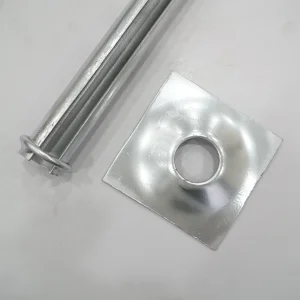
High-capacity self-drilling soil nails and anchor plates are pressure-grouted to stabilize highway embankments and deep excavations, preventing catastrophic landslides.
Providing specialized pneumatic rock drills, hollow rock bolts, and high-pressure chemical grouting pumps to seal water inflows and secure tunnel roofs against rockbursts.
Automated two-fluid mixing grouting pumps deliver mortar into the tail void of Tunnel Boring Machines (TBMs), preventing surface settlements in urban zones.
Get professional insights from our engineering team on output pressures, maintenance cycles, and system configurations.
Select specialized drill bits, friction stabilizers, and rock bolts designed to match our heavy-duty pumping equipment.