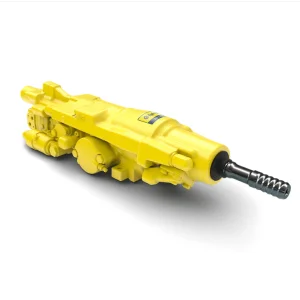
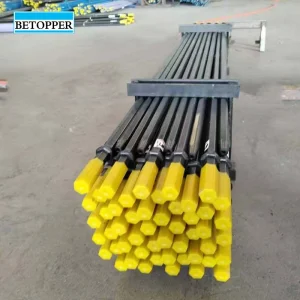
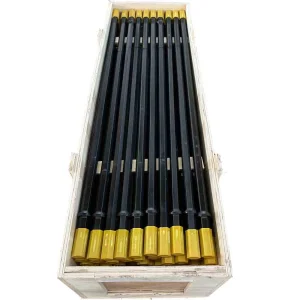
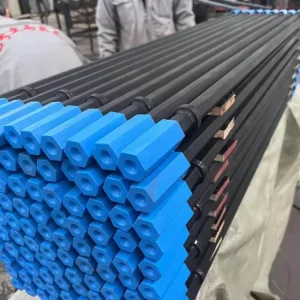
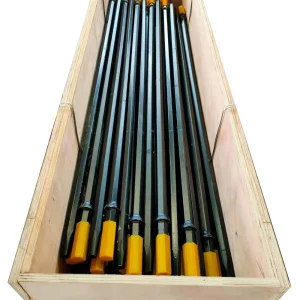
Optimized tapered tools featuring advanced metallurgy designed to withstand severe heat and high-frequency percussive shockwave forces typical in Sudanese mining corridors.
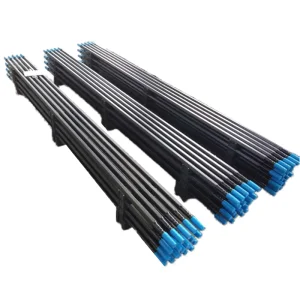
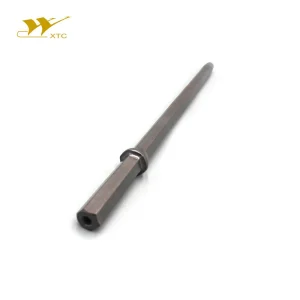
How local geology, climatic factors, and infrastructural developments shape the demand for high-durability rock drilling tools.
Sudan's mining sector, dominated by gold, chromium, and iron ore extraction, has witnessed a tectonic shift over the last decade. Historically relying heavily on manual, artisanal extraction along the Nile and the Red Sea Hills, the industry is scaling up rapidly. Modern operations demand high-efficiency percussive drilling systems where tapered drill rods serve as the critical mechanical interface linking pneumatically or hydraulically powered rock drills to the cutting carbide bits.
In regions such as Abu Hamad, River Nile State, and the Kordofan hills, geological formations consist primarily of quartz-veined metamorphic sequences and highly abrasive granitic basements. These geological conditions subject drilling rods to massive mechanical forces: cyclical compressive stress waves, extreme bending moments during manual alignment, and fast-paced abrasive wear. Furthermore, the desert environment of Sudan—characterized by ambient working temperatures exceeding 45°C—places unique thermodynamic stress on the drilling equipment, accelerating fatigue failure if the material quality or forging standards are compromised.
For operations utilizing handheld jackhammers (such as YT24, YT28, or pneumatically powered rock drills), mechanical efficiency and downtime mitigation are crucial. Because logistics chains reaching remote concessions in northern or western Sudan are complicated by infrastructural bottlenecks, choosing a drilling rod that delivers a extended fatigue life is not just a performance preference—it is a critical economic driver that directly determines mine profitability.
Analyzing stress-wave propagation and microstructural hardening in premium tapered drill rod fabrication.
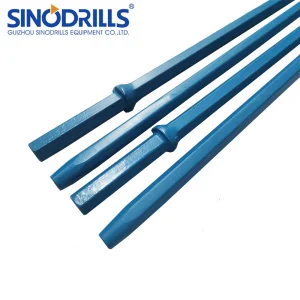
In the global rock drilling industry, the design of tapered steel drill rods represents an optimized compromise between elasticity, tensile strength, and wear resistance. Unlike threaded systems, which are typically deployed in deep-hole mechanized drifting or production drilling, tapered configurations are the gold standard for small-hole drilling (typically 32mm to 48mm in diameter). They enable fast connection changes and cost-efficient tooling cycles.
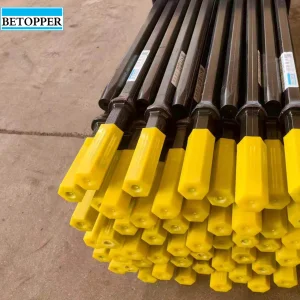
When the rock drill piston strikes the shank end of a tapered drill rod, kinetic energy is converted into a compressive stress wave that travels along the hollow hexagonal steel body at the speed of sound (approximately 5,100 m/s in steel). Upon reaching the tapered connection, a portion of this energy is transmitted to the carbide bit to fracture the rock, while a reflected tensile wave travels back up the rod. High-quality manufacturers must ensure:
Engineered options supporting deep shafts, exploratory drilling, and soil nail structural stabilization in Sudancese civil works.
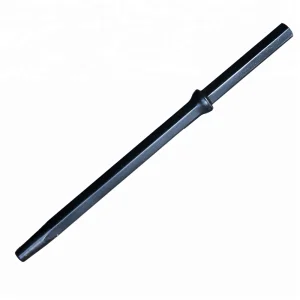
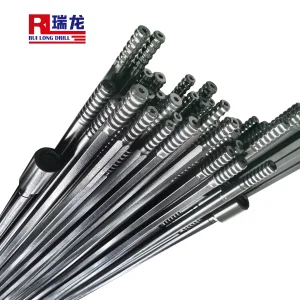
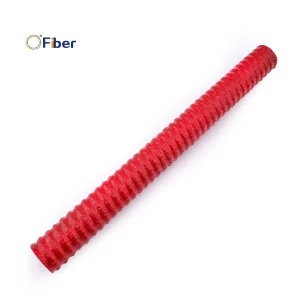
Selecting the optimal taper angle and steel profile for the specific mineral extraction challenges of Sudan.
Choosing the correct tapered configuration has a direct influence on the penetration rate and the operational lifecycle of both the rod and the bit. Shandong E-Way Machine Co., Ltd. provides customized parameters to match the geologic profile of local Sudan operations:
| Taper Degree | Shank Type / Size | Rock Formation Type | Common Applications in Sudan | Recommended Bit Fit |
|---|---|---|---|---|
| 7 Degree | Hex 22mm × 108mm | Soft to Medium Hard Rock (F≤8) | Artisanal gold mining, shallow blast hole drilling in River Nile State. | Tapered Button Bits, Chisel Bits |
| 11 Degree | Hex 22mm / Hex 25mm | Medium-Hard to Abrasive Hard Rock (F=10-14) | Industrial quartz gold reef mining, chrome ore drilling in Red Sea Hills. | Tapered Button Bits, Cross Bits |
| 12 Degree | Hex 25mm × 159mm | Extremely Hard, Fractured Rock (F≥15) | Deep-shaft geological exploration, high-impact heavy-drifter mining. | Heavy-Duty Button Bits |
To maximize the efficiency of percussive energy transmission, operators should ensure that the taper seat is fully cleaned of debris and rust prior to mating the bit with the rod. Misaligned tapers or mismatched angles are the primary cause of premature stress-fracturing near the collar region.
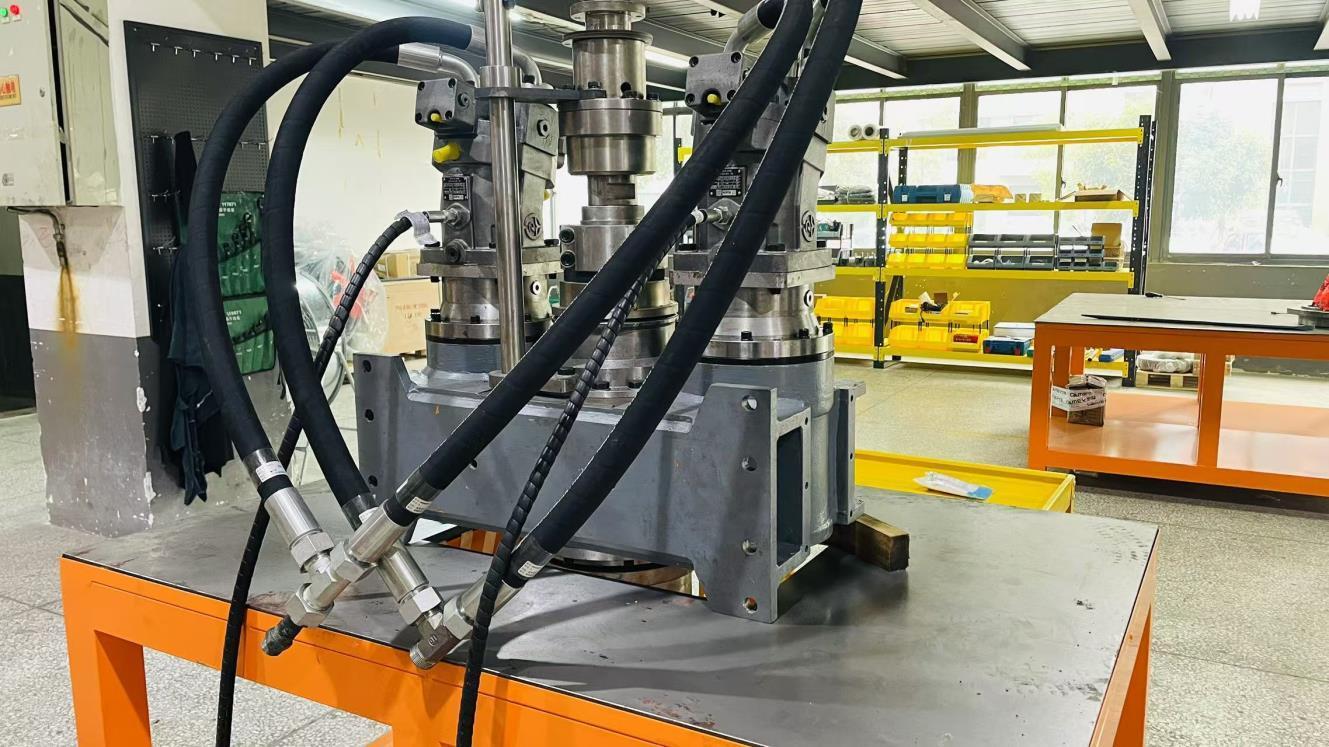
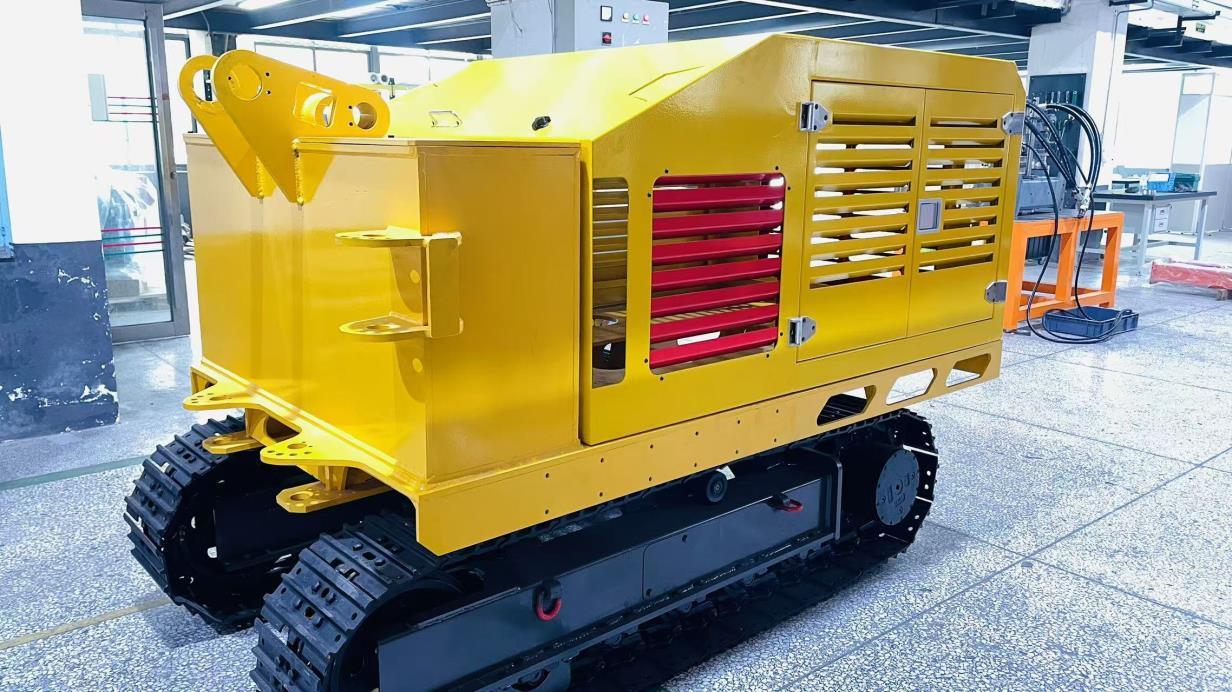
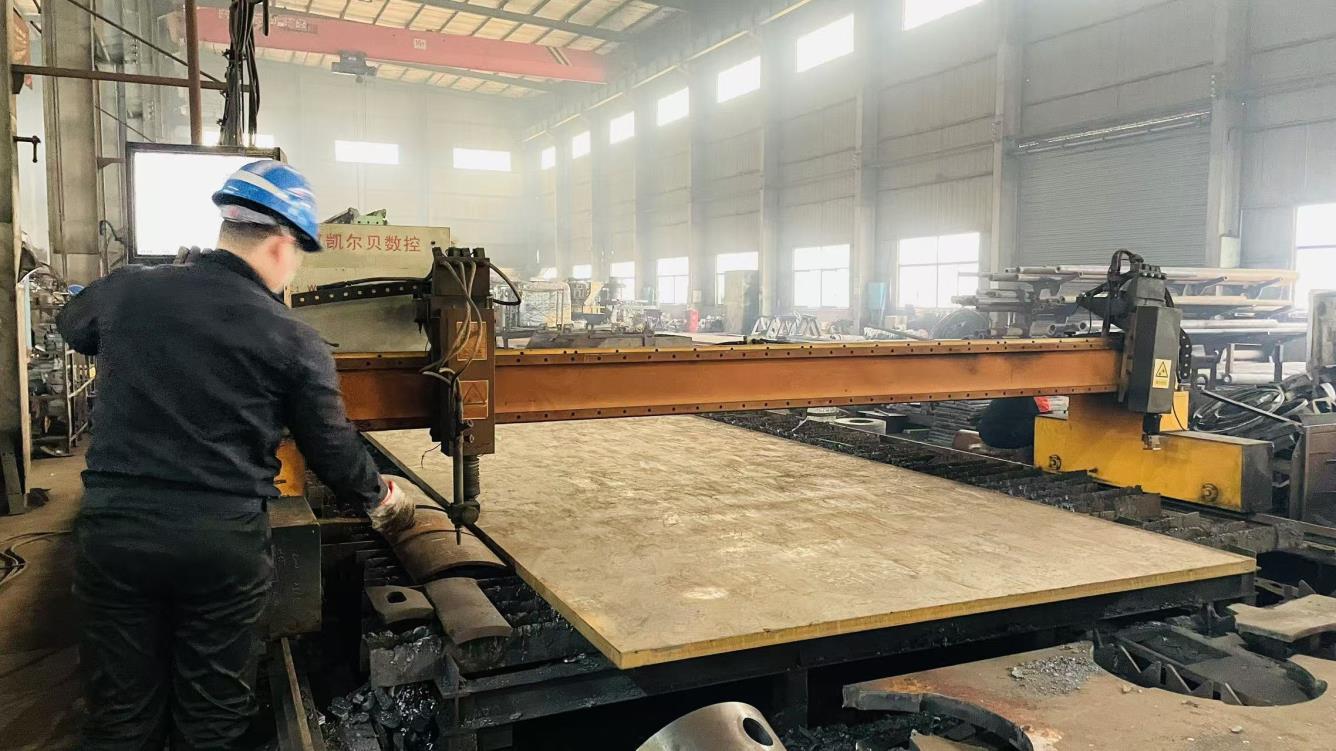
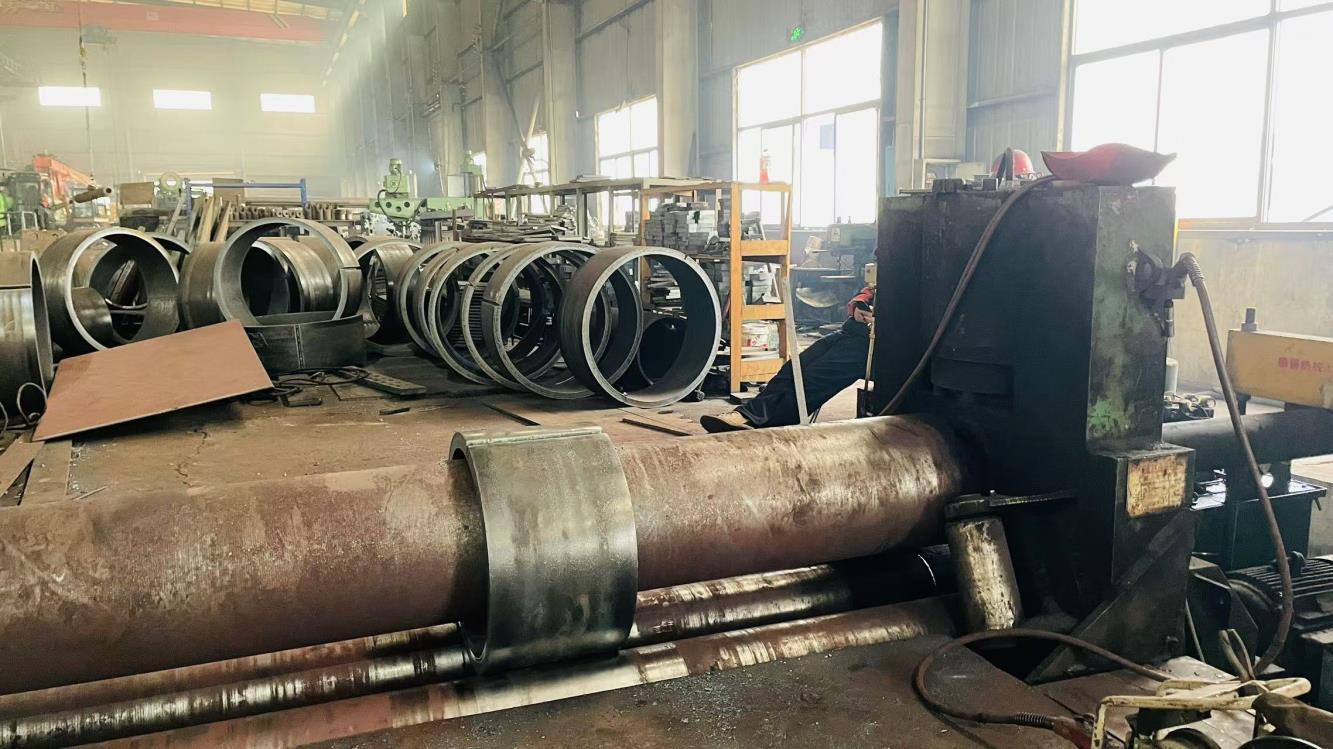
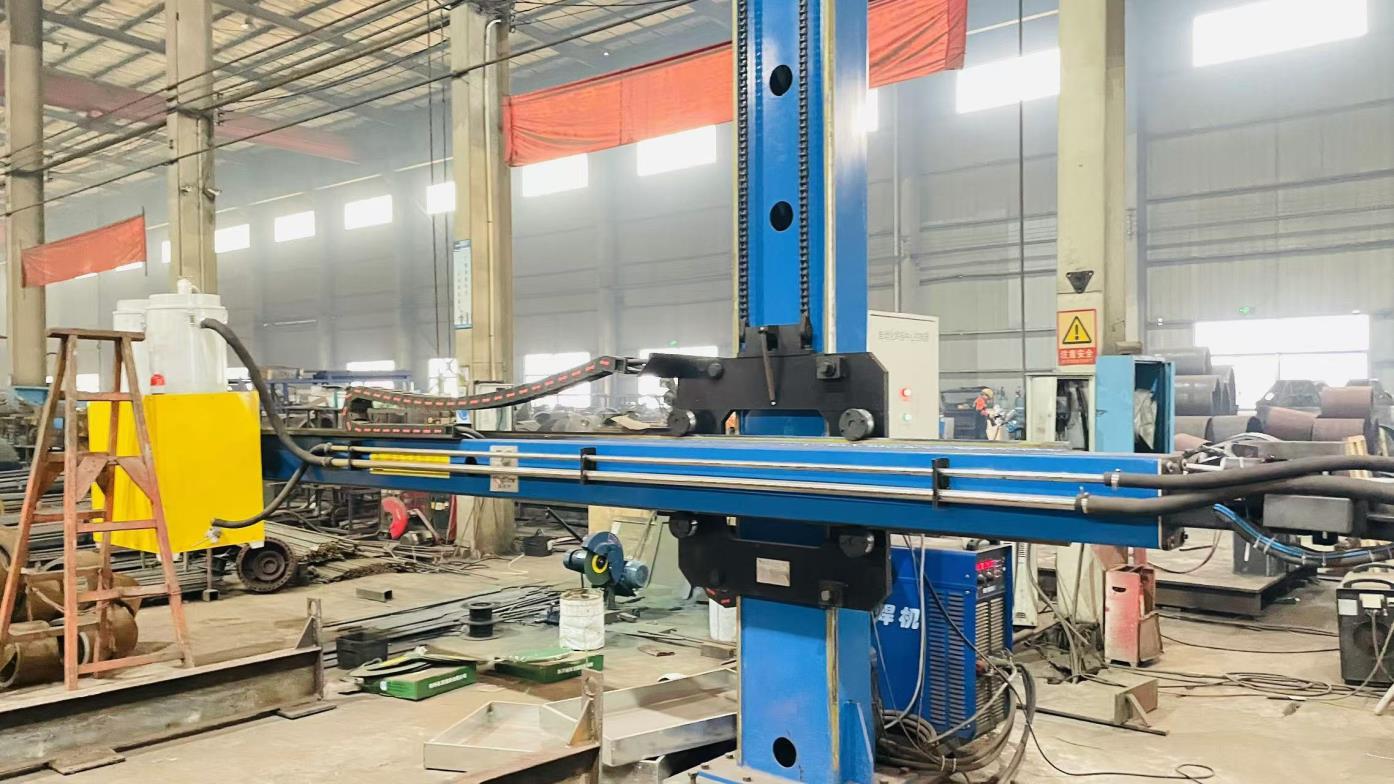
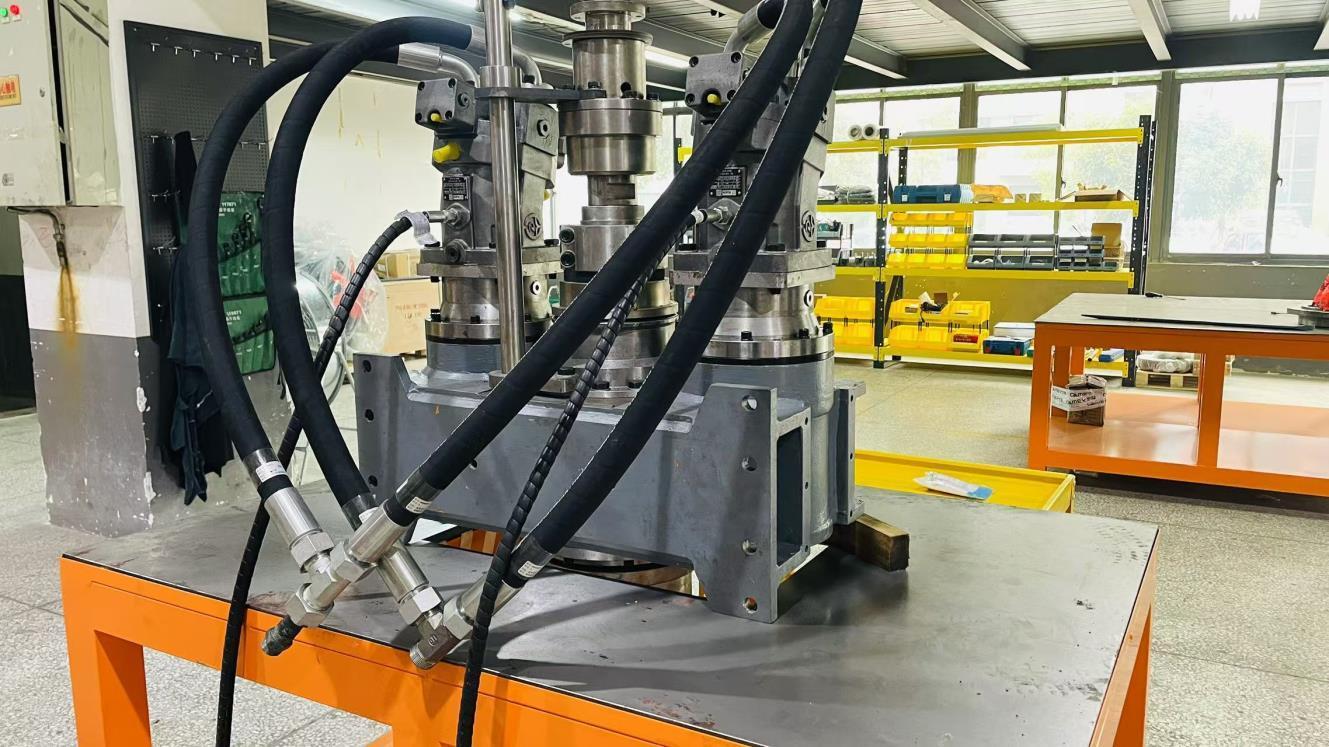
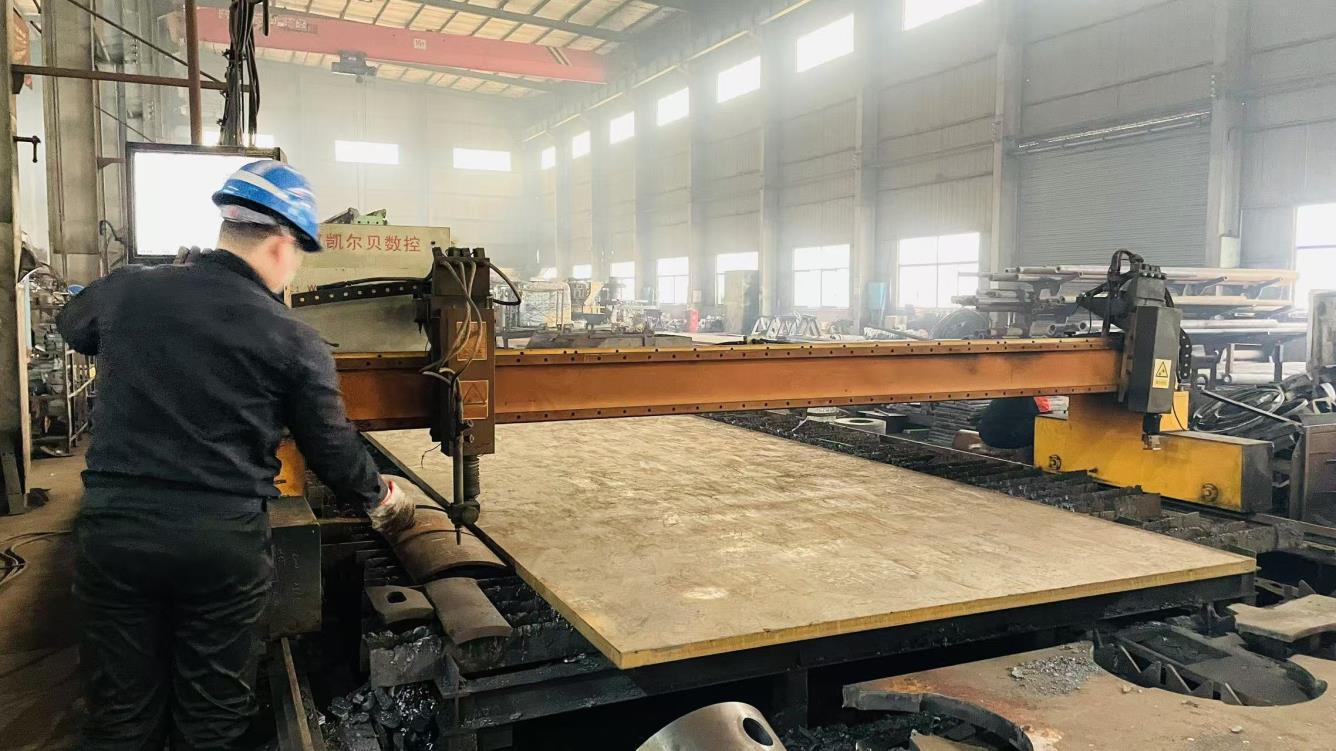
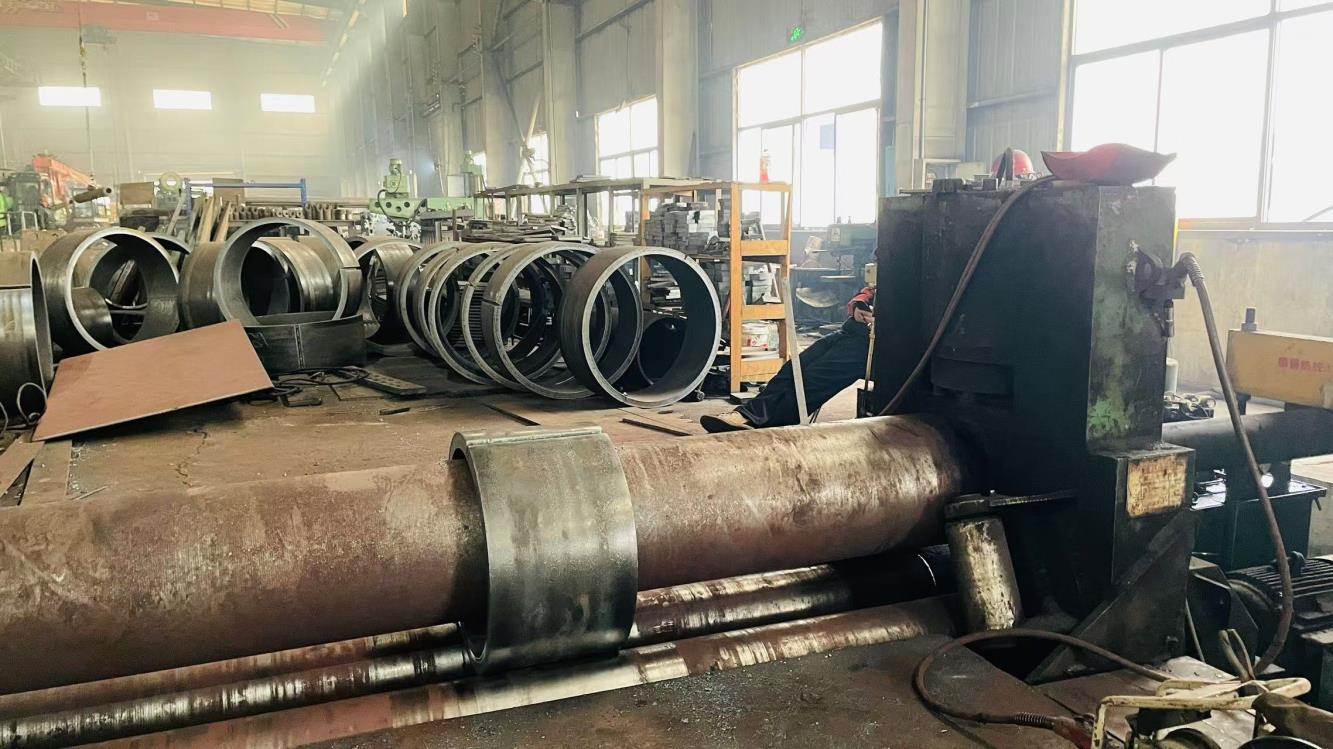
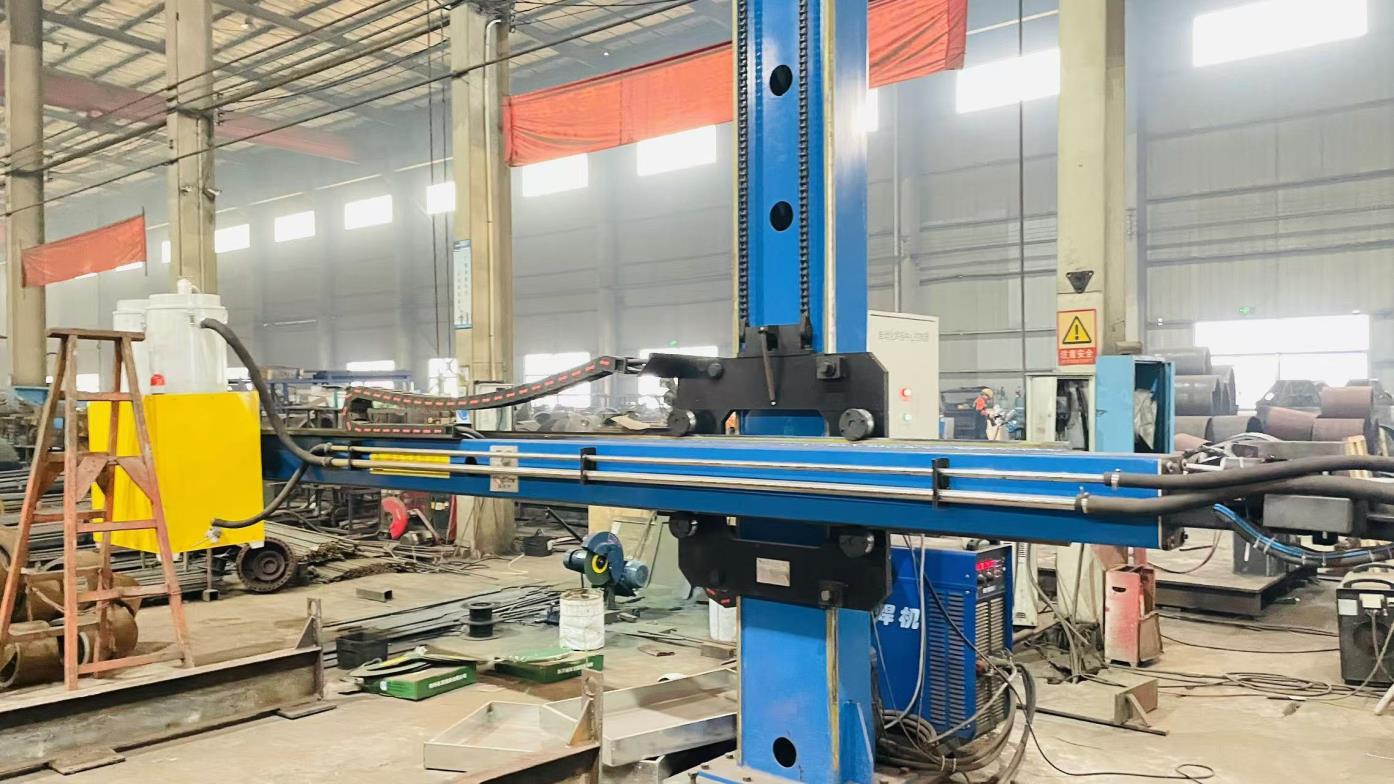
Inside our state-of-the-art production facility: step-by-step assembly, welding, and quality verification processes.
Addressing port clearance, customs navigation, and on-site technical support for Khartoum and mineral areas.
For purchasing coordinators managing operations in Africa, the greatest product in the world is useless if stuck in shipping channels. Shandong E-Way Machine Co., Ltd. has spent years optimizing a robust supply corridor dedicated to the East African market, prioritizing transit routes to Port Sudan. Our administrative teams are well-versed in Sudanese clearance protocols, including SGS/COTECNA pre-shipment inspections, bill of lading documentation, and local commercial invoice legalization.
To support customers running extensive mining fleets, we offer:
Browse our complete lineup of certified tapered drill rods, extensions, and rock anchoring systems.
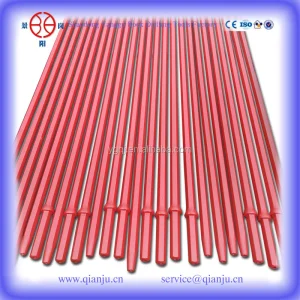
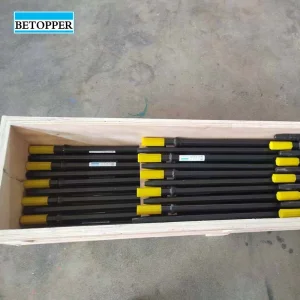
In-depth answers to critical operational, metallurgical, and logistic questions regarding tapered drilling systems in Sudan.
In the abrasive quartz formations of northern Sudan, drill rod failure typically occurs at the shank end or immediately below the collar. The main causes include: (1) Excessive feed pressure on handheld jackhammers causing bending stress, (2) Dry drilling practices, which block flushing water and overheat the alloy steel, and (3) Re-using worn-out carbide bits that no longer transfer energy efficiently, forcing the shockwave back into the rod. This can be minimized by maintaining constant alignment, ensuring stable water pressure for dust flushing, and employing our premium 55SiMnMo alloy rods which exhibit higher fatigue limits.
The choice depends on the percussive class of your rock drill. Handheld pneumatic hammers such as the YT24 or YT28 commonly utilize H22 (22mm hex width) setups. This size keeps the assembly light and maximizes penetration speeds in short, narrow blast holes. H25 (25mm hex width) drill rods provide greater rigidity and resistance to bending, making them the ideal choice for heavy pneumatic drills or semi-mechanized drilling rigs operating in extremely fractured formations.
Typically, manufacturing and packaging take 15 to 25 days depending on the customization details (e.g., custom shank lengths or specialized rust-preventative coatings). Shipping from our Chinese factory ports (such as Qingdao or Shanghai) to Port Sudan takes approximately 25 to 35 days under standard marine conditions. Our experienced export team prepares all paperwork for smooth customs clearance at the port.
A smaller taper angle (like 7 degrees) is ideal for softer formations or shallower holes because it is easy to decouple on site. However, under high percussive impact in hard granite or quartz (commonly found in the Nubian Shield), the forces can cause a 7-degree connection to lock too tightly, leading to bit shearing or collar damage. An 11-degree or 12-degree angle distributes percussive forces across a wider area, preventing connection jamming and ensuring reliable torque transfer in high-impact operations.
Yes, Shandong E-Way Machine Co., Ltd. is a direct manufacturer. We can customize shank styles (e.g., standard Hex 22mm × 108mm, Hex 25mm × 159mm) and lengths ranging from 400mm up to 8000mm. We also offer customization for flushing hole diameters to optimize flushing performance in various drilling configurations.
Contact our engineering support team today to request a direct factory quotation, custom specification sheets, or bulk pricing terms for the Sudanese market.
Send Inquiry Now