1 / 5
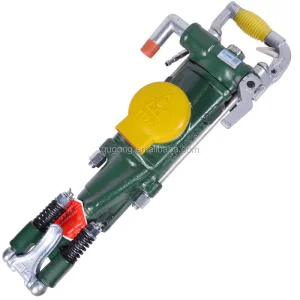
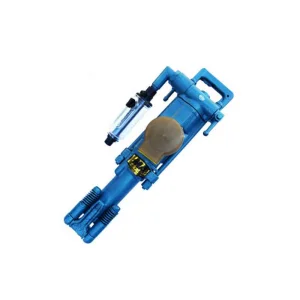
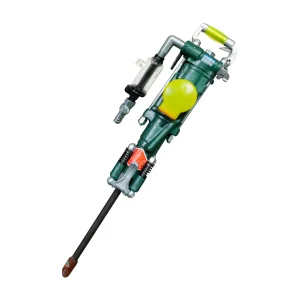
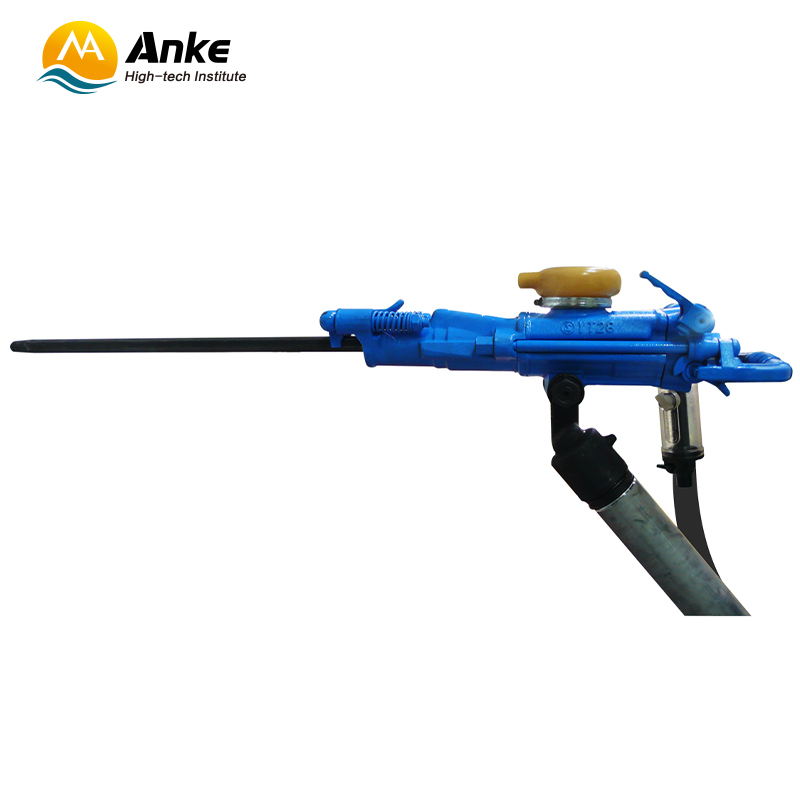
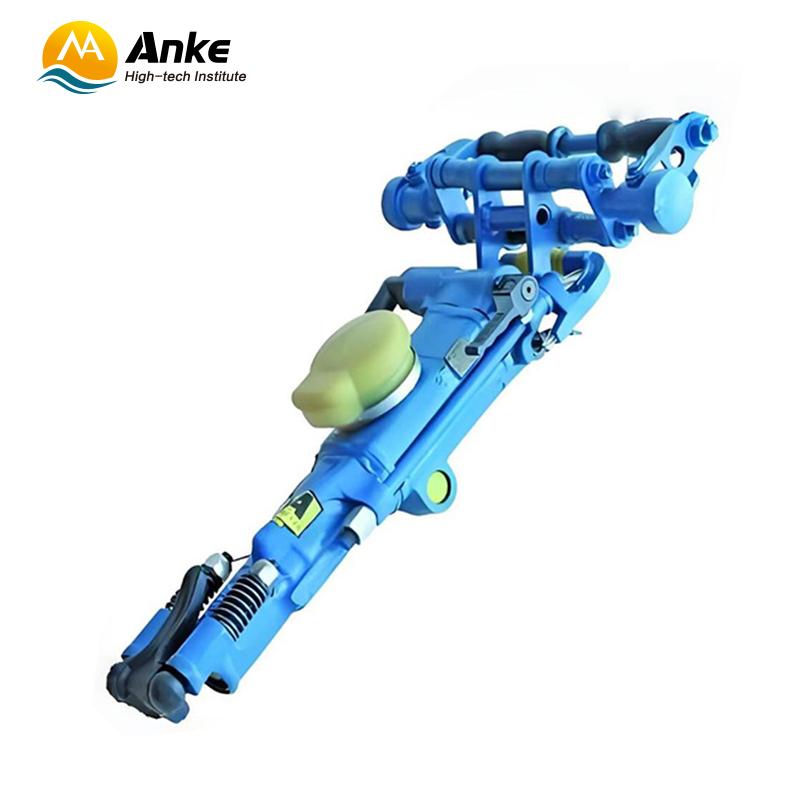
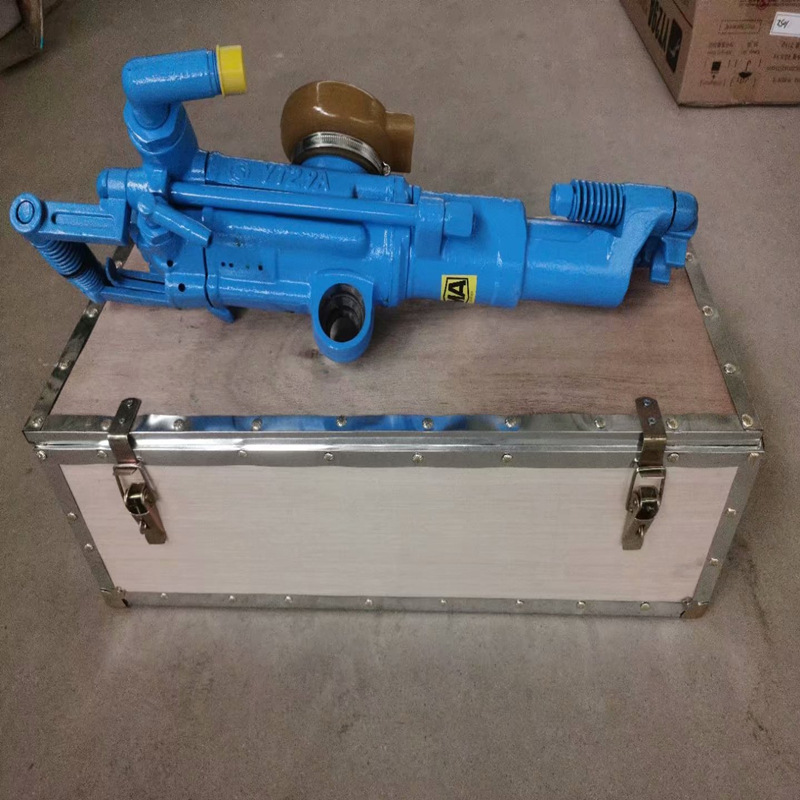
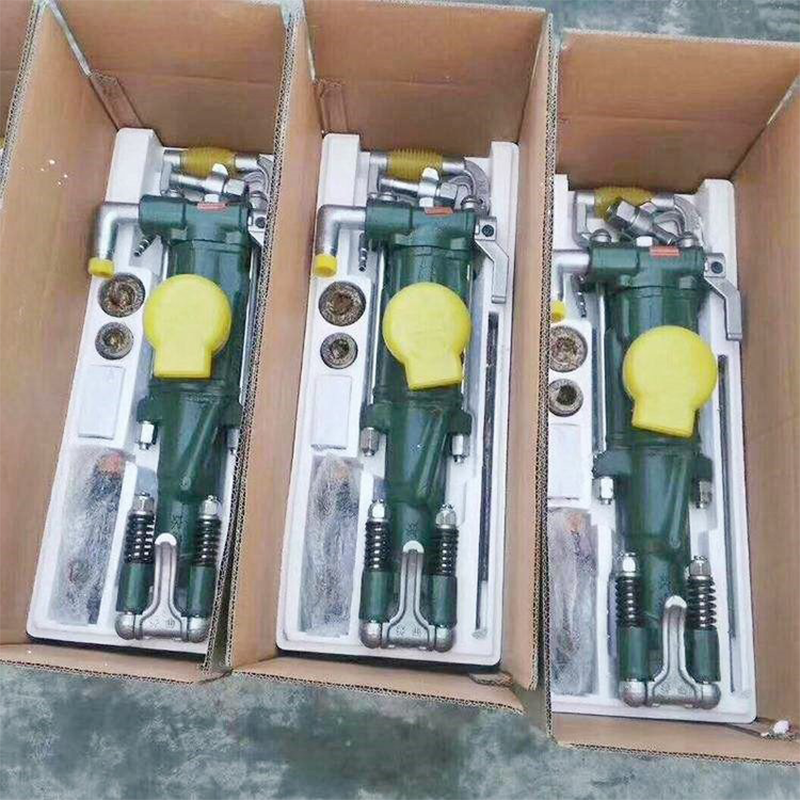
YT series air leg rock drill for drilling and blasting
A rock drill is a tool for directly mining stone. It drills out gunholes on rock formations so that explosives can be placed to blast the rock to mine stone or other stone works. In addition, rock drill can also be used as spoilers to break hard layers such as concrete.
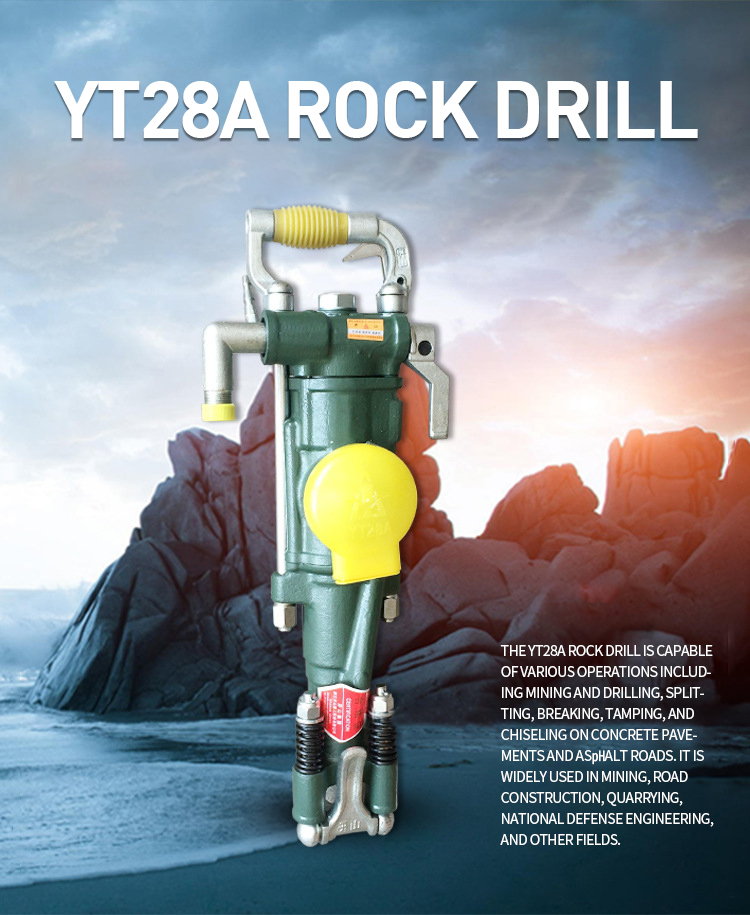
| Product Specification | Technical Data Details |
|---|---|
| Product Name | Rock Drill |
| Model | YT28 |
| Net Weight | 26kg |
| Power Type | Pneumatic |
| Impact energy | ≥27J |
| Max. drilling depth | 6 m |
| Drilling Rod | R22x108 mm |
| Drilling Bits | 34-42mm |
| Air consumption | less than 81L/S |
| Precussive Frequency | more than 37HZ |
| Impact Energy | more than 70J |
| Piston Stroke | 60mm |
| Cylinder Diameter | 76mm |
| Working air Pressure | 0.63Mpa |
| Working Water Pressure | 0.2-0.3Mpa |
| Air hose inner diameter | 19mm/25mm |
| Water supply hose inner diameter | 13mm |
| Noise level | less than 112dB(A) |
| No-load speed | more than 300r/min |
| Rock drilling impact frequency | more than 36HZ |
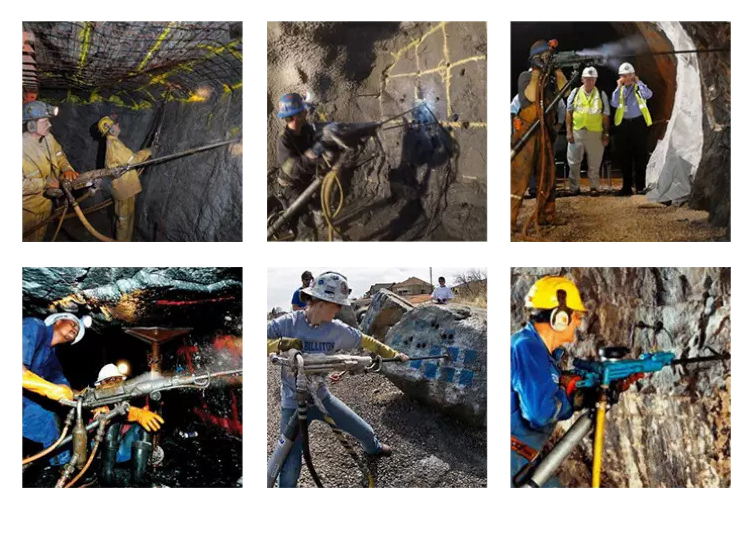
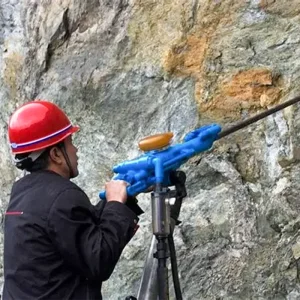
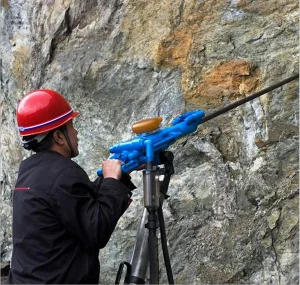
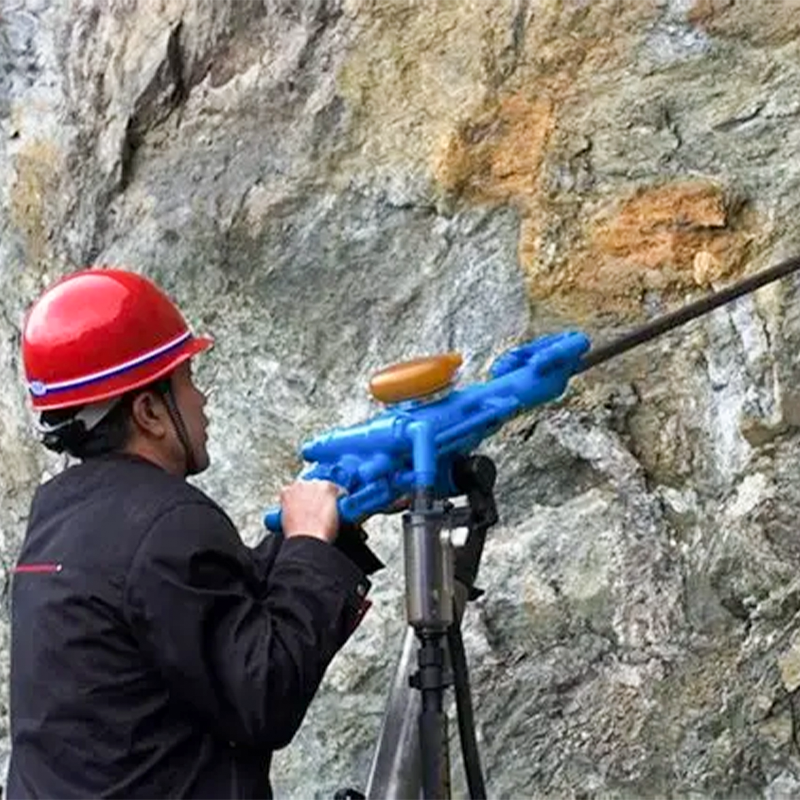
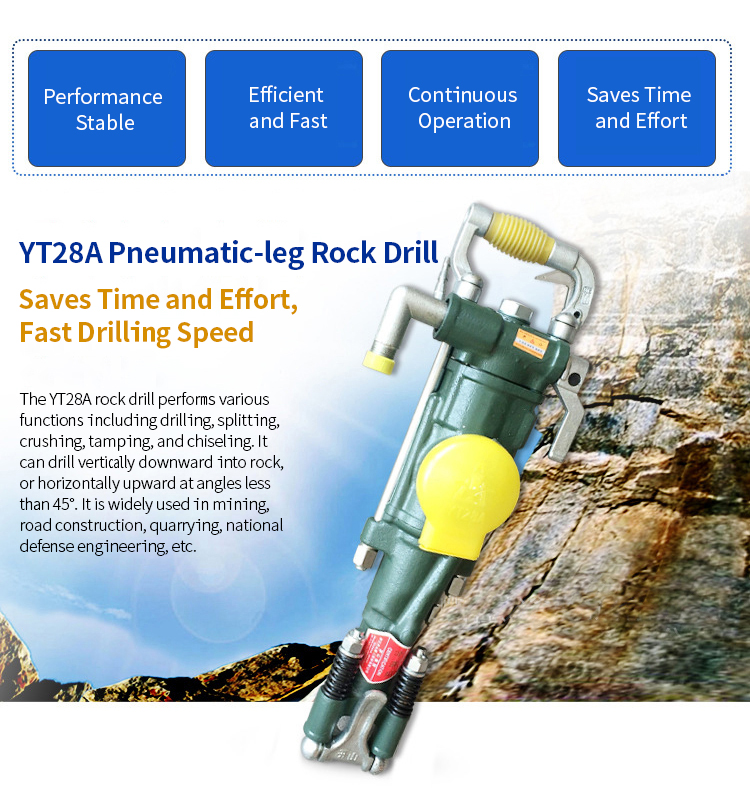
The pneumatic leg-mounted rock drill is highly efficient and lightweight, suitable for wet drilling of downward and inclined holes in medium-hard or hard rock (f=8-18).
With drill bits ranging from 34 to 42 millimetres in diameter, it achieves effective drilling depths up to 6 metres.
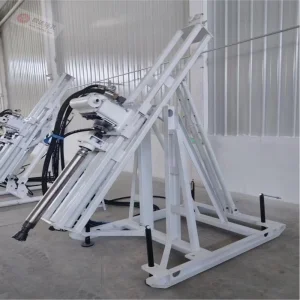
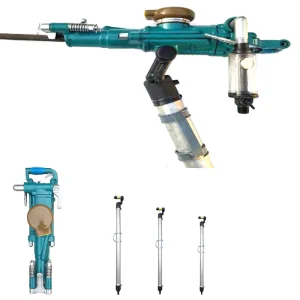
Compatible with the FT140BD short pneumatic leg, the FT140B long pneumatic leg, or may be used without legs mounted on a trolley.
Capable of horizontal or inclined drilling within various cavities. Lightweight with low air consumption, particularly suited for mobile operations with compact air compressors. Features flexible start-up, air-water synchronisation, and energy-efficient performance.
Highly reliable, easy to operate and maintain.
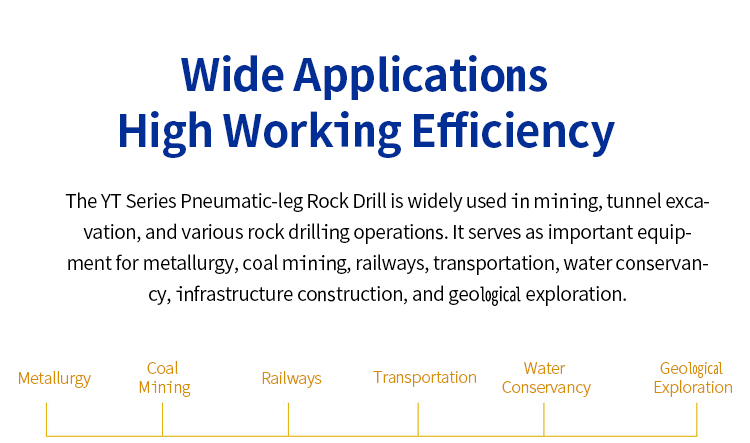
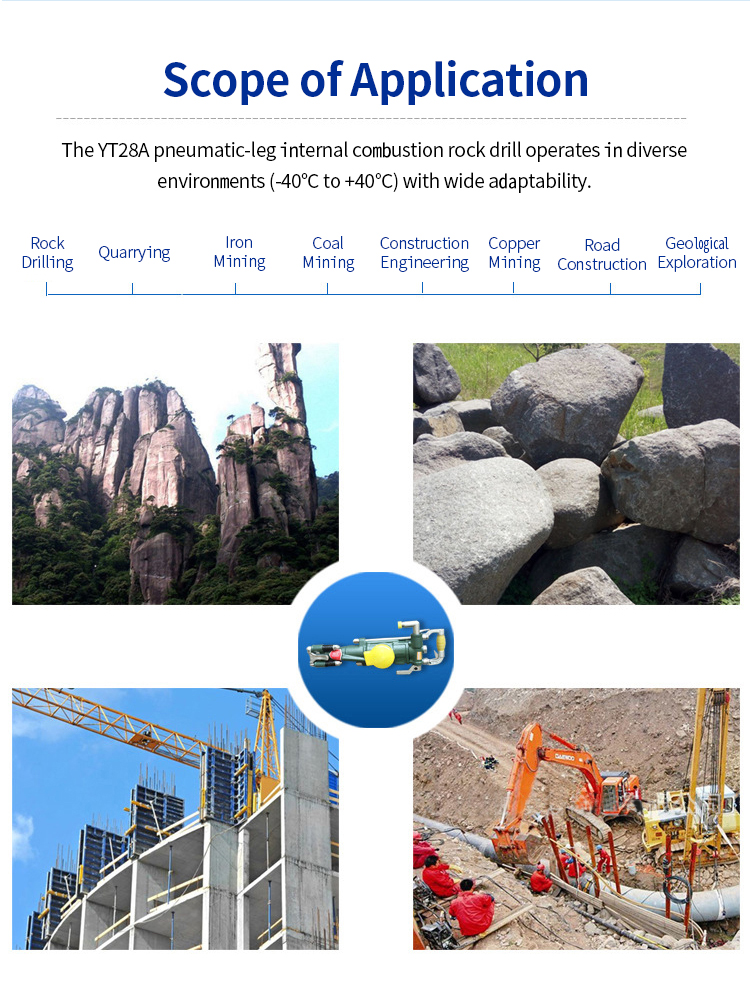
Mining and construction operations: The scope of application includes building demolition operations, site exploration drilling and foundation engineering, as well as various splitting, cracking, shoveling and chiseling functions of cement pavement and asphalt pavement, which are more suitable for drilling, blasting, and mining in various mines.
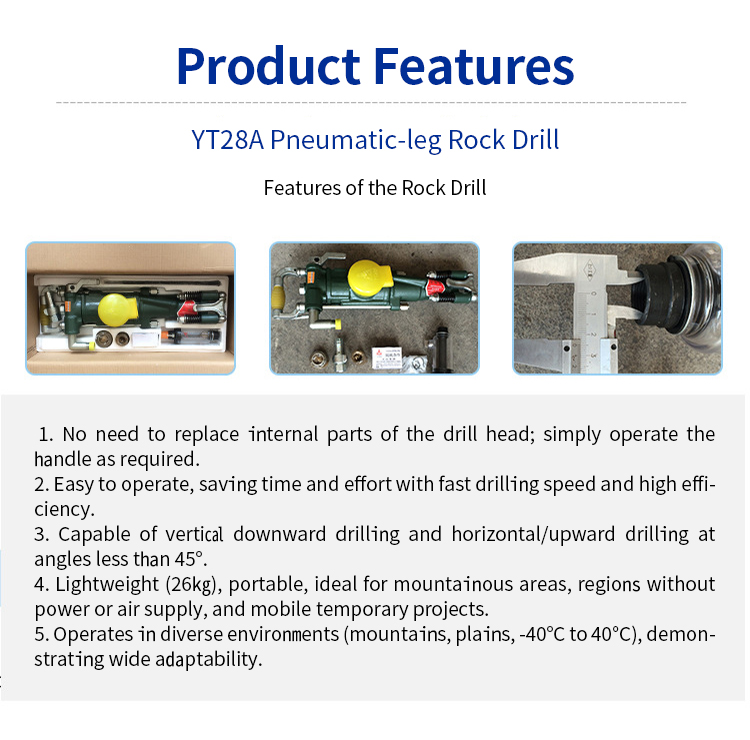
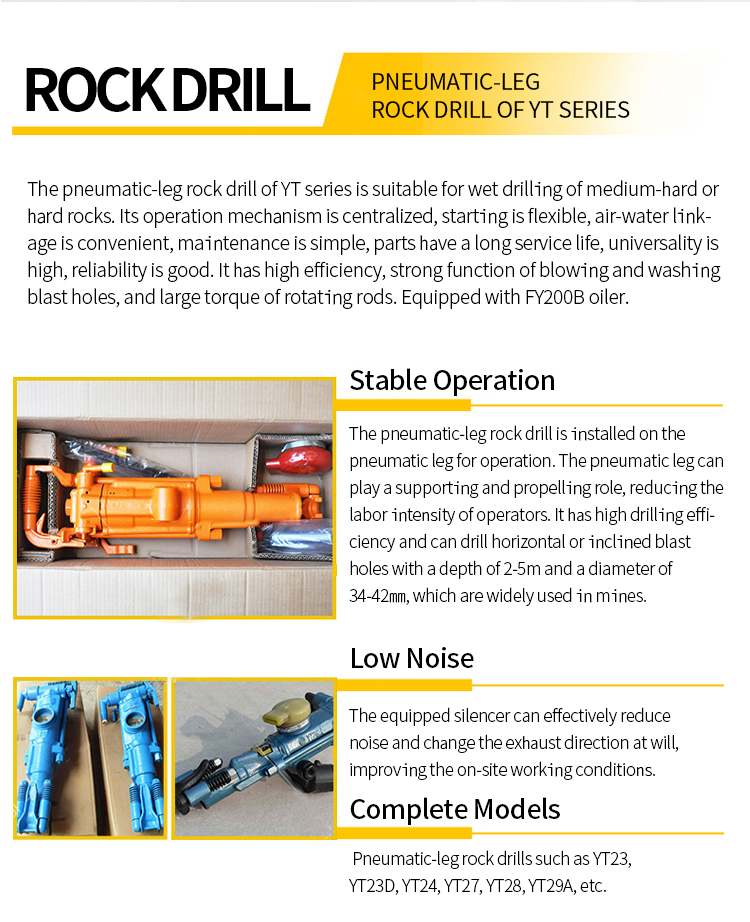
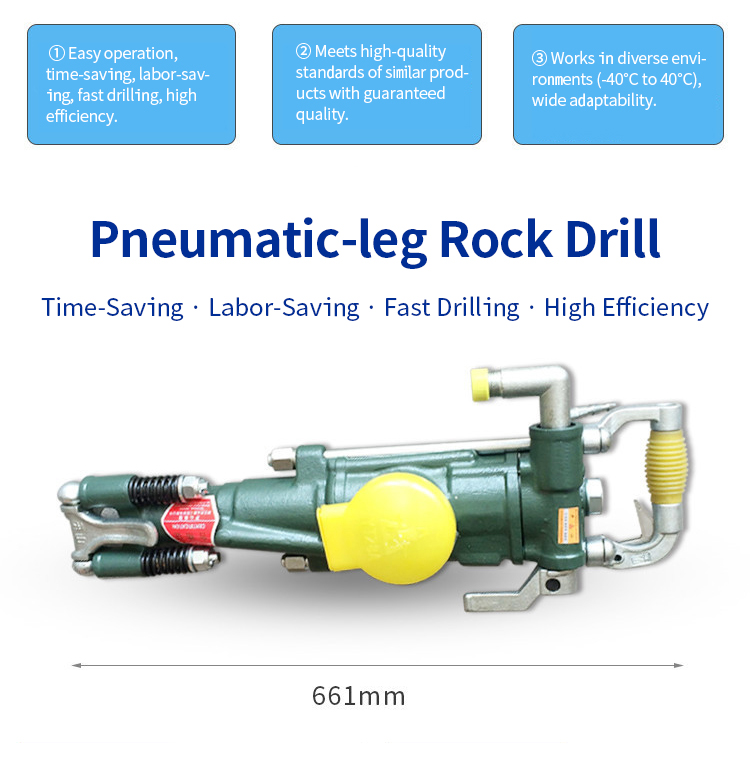
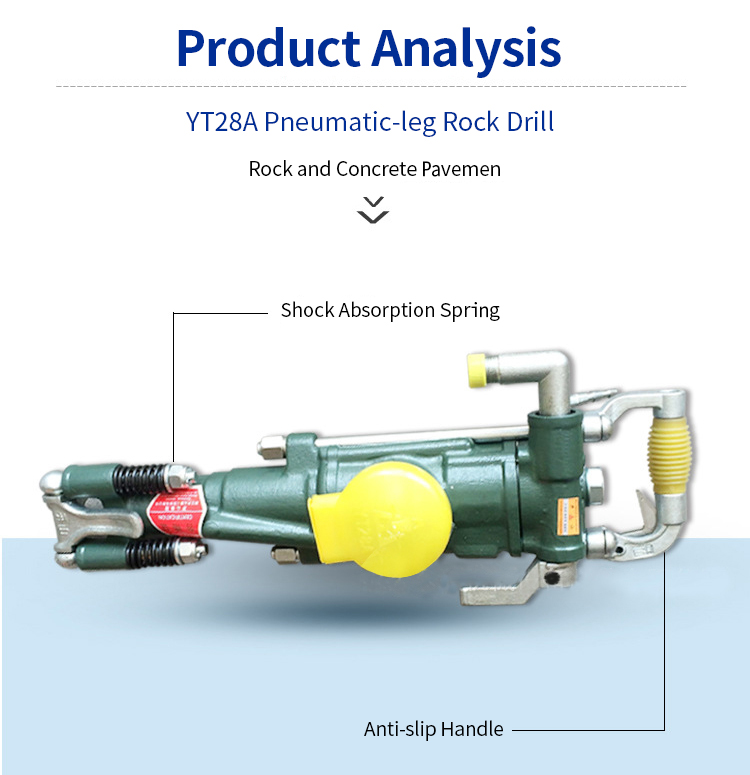
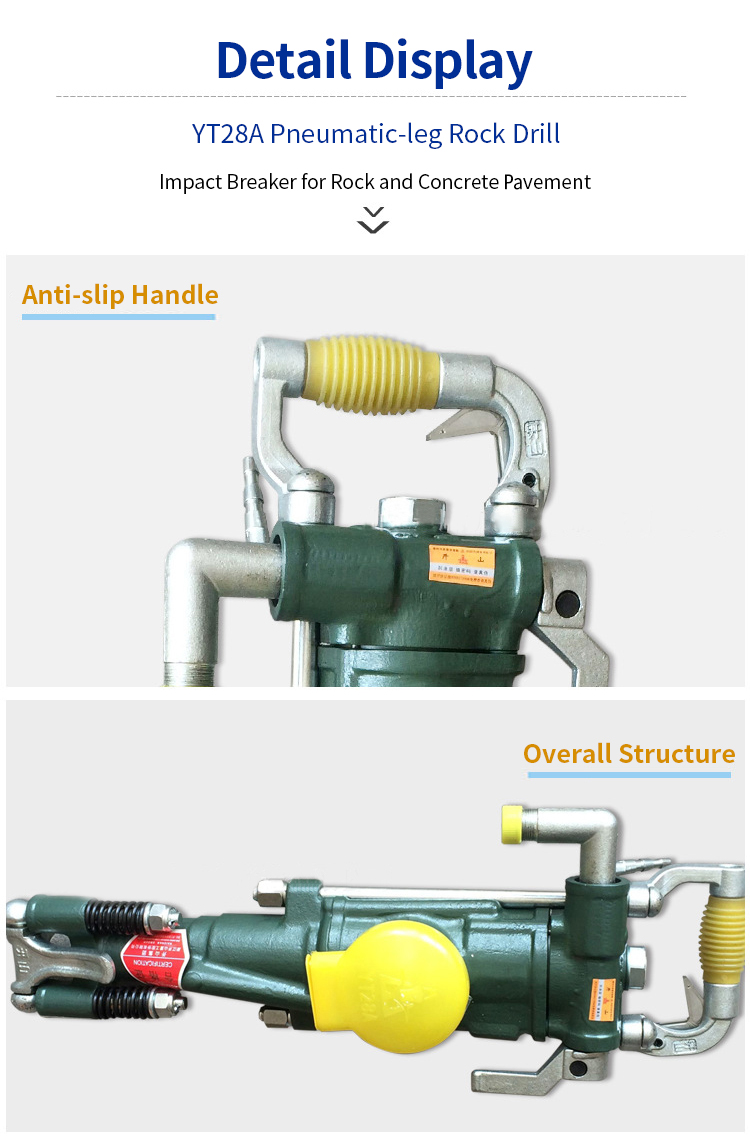
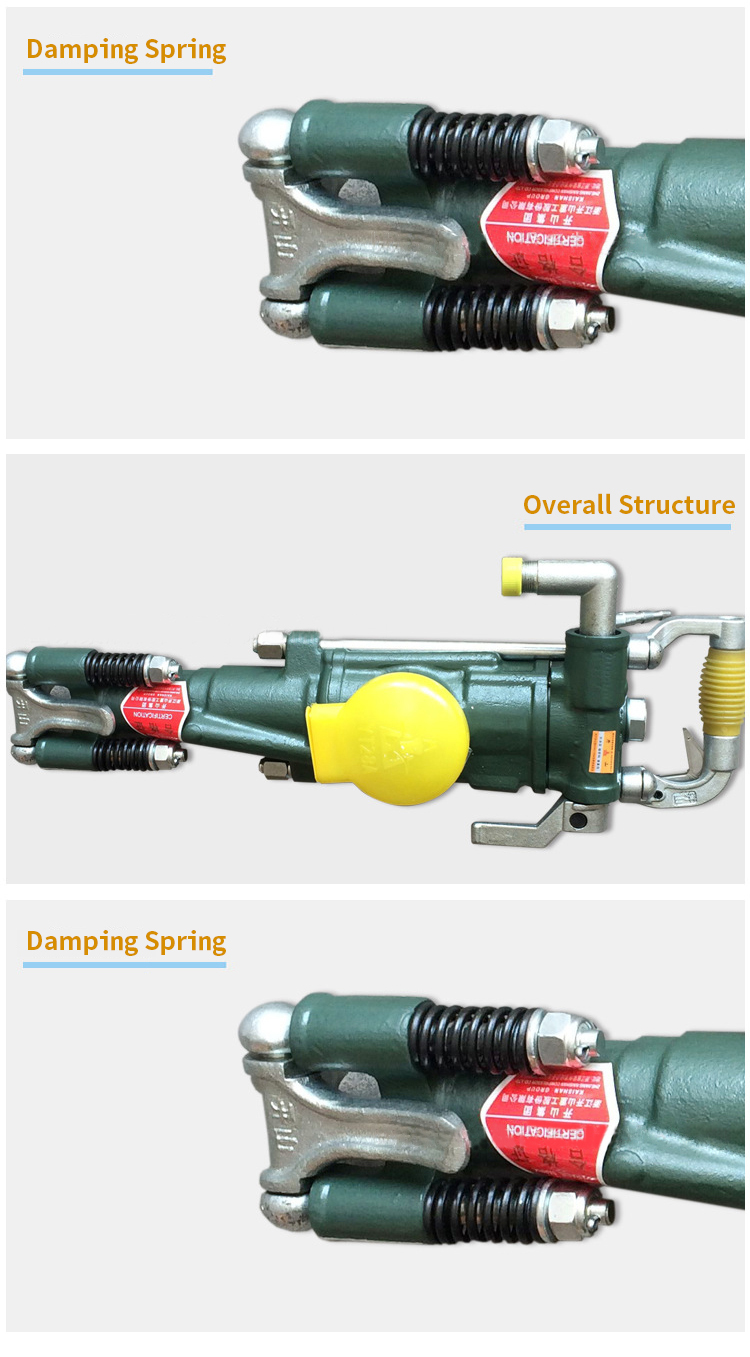
Pneumatic rock drills primarily comprise a cylinder-piston assembly, air distribution mechanism, steel bit rotation mechanism, control valve, and flushing-blowing mechanism.
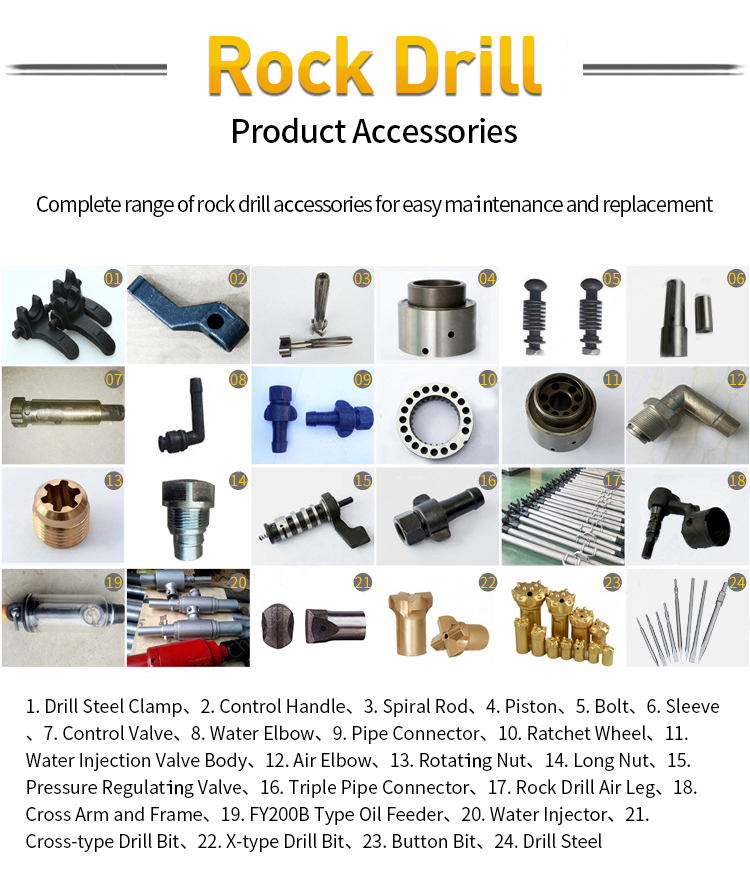
When using pneumatic rock drills, ensure compressed air supplied to the intake port is dry. Maintain air pressure at 500 kPa, with a minimum of 400 kPa. Use clean, soft water. Should acidic or alkaline water be unavoidable, immediately inject lubricating oil after operation and run the drill idle without water for a short period.
When commissioning a new machine, perform thorough cleaning and reassembly. After reassembly, conduct a short idle run to verify normal operation. However, idle time must not exceed 2–3 minutes. Prolonged idling causes excessive temperature in the cylinder air cushion zone, potentially leading to cylinder scuffing.
Regularly clean pipelines and perform routine disassembly inspections to maintain optimal machine condition. Frequently replenish lubricating oil; operation without oil is strictly prohibited.
Operational sequence: activate air supply before water supply; shut off water before air. Ensure water pressure remains below air pressure to prevent water backflow into the drill cylinder, which could disrupt lubrication and impair machine function.
Should the drill's cable jammer rotate sluggishly, immediately reduce the pneumatic leg's axial thrust via the pressure regulator. If the cable rod ceases rotation and reducing axial thrust proves ineffective, halt drilling immediately. Resume only after resolving the cable jam.
Regularly monitor the machine's dust discharge. The pneumatic leg drill must not operate with the water nozzle removed or drill dry holes.
When operating the telescopic drill upwards, ensure rock debris flowing down the drill bit does not approach the drill sleeve, maintaining a minimum clearance of 20mm. Failure to do so indicates insufficient blow-off force; in such cases, systematically check whether the blow-off holes on the drill sleeve are unobstructed.
When operating the telescopic drill upwards, in addition to adhering to general rock drilling safety protocols, pay particular attention to sudden bit breakage to prevent workplace injuries. Prohibit prolonged full-speed idling; engage the trolley when extracting the drill string.
Upon completion of work, close the water valve and allow the drill to idle briefly with low air pressure to expel accumulated water and prevent corrosion.
For rail-mounted rock drills, after completing a drill string, cease air supply before reversing to unload the tail end. Use low air pressure during reverse unloading. Immediate reversal from forward rotation causes significant impact due to inertia, reducing the service life of the rotary claw's spiral rod.
Following drilling operations or extended periods of non-use, promptly disassemble and thoroughly clean the drill. Apply rust-preventative oil and store in a dry location.
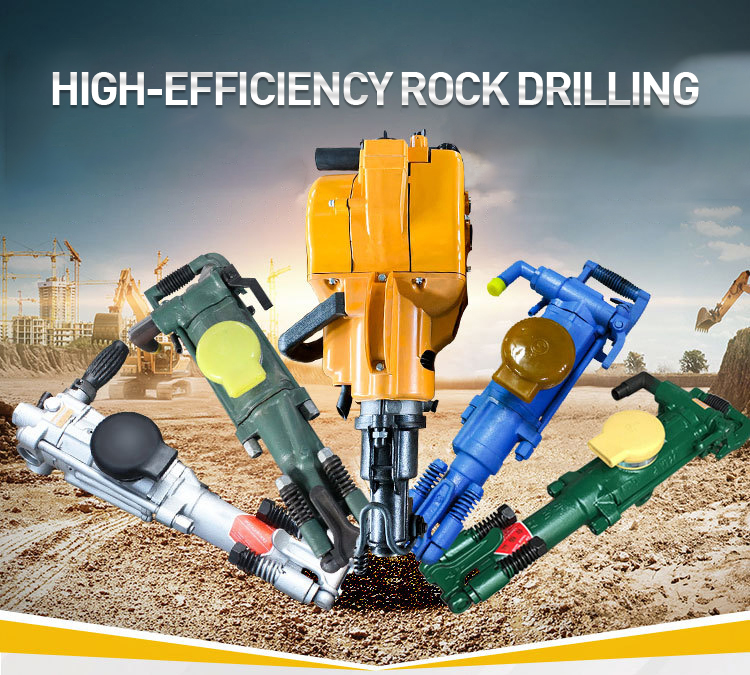
It is widely used in mining, building demolition, site exploration drilling, foundation engineering, and breaking tasks for cement or asphalt pavements. It is highly suitable for drilling and blasting in various mines.
The YT28 achieves effective drilling depths up to 6 meters using drill bits ranging from 34mm to 42mm in diameter.
The standard working air pressure is 0.63 Mpa (minimum 400 kPa to 500 kPa). The working water pressure should be maintained between 0.2 to 0.3 Mpa. Ensure that the water pressure always remains lower than the air pressure.
You must activate the air supply before the water supply, and shut off the water before the air. This prevents water from backflowing into the drill cylinder, which can wash away lubricating oil and impair internal parts.
After work, shut off the water supply and run the drill on low air pressure briefly to blow out remaining moisture. For long-term storage, disassemble, clean, apply rust-preventative oil, and store in a dry place.