High-durability friction stabilizers, installation drivers, and support systems adapted to New Zealand's unique geological compliance standards.
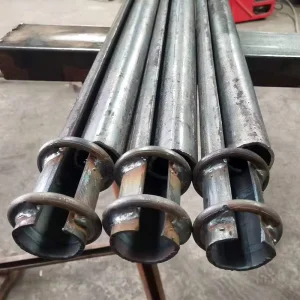
Understanding ground control dynamics, seismic displacement, and regulatory benchmarks in the South Pacific’s active tectonics.
New Zealand is situated along the boundary of the Pacific and Indo-Australian tectonic plates. This geographical position subjects the country to highly active seismic conditions, shearing fault zones, and complex volcanic/metamorphic rock formations. From the gold mines of the Otago region and Waihi to civil tunneling infrastructure like Auckland's Central Interceptor, engineering challenges are unique. Deep excavation requires high-performance support media capable of managing dynamic rock bursts, high shearing stress, and intense water ingress.
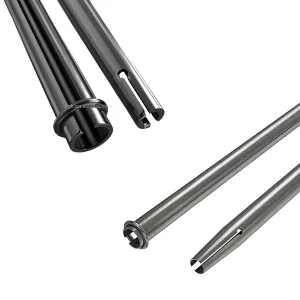
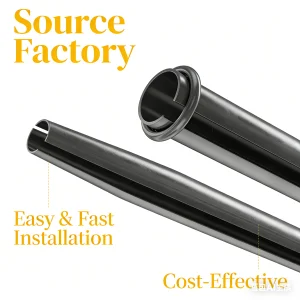
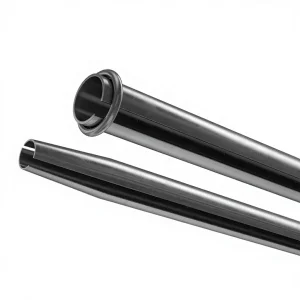
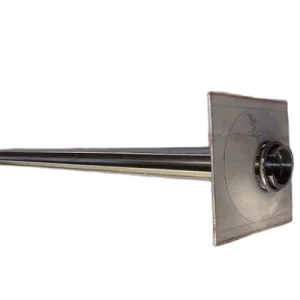
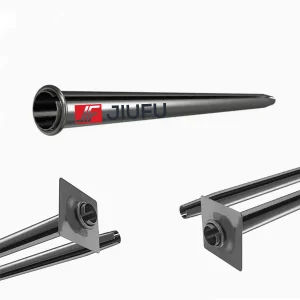
Friction rock stabilizers, widely referred to as **split sets**, represent the frontline defense against rockfall and ground movement in these environments. Unlike rigid mechanical anchors, a split set stabilizer installer inserts a C-shaped steel tube with a slot along its length into a slightly smaller drilled hole. The radial force exerted by the steel against the rock wall generates high-friction resistance along the entire length of the tube, adjusting dynamically to tectonic shifts and ground movement. For New Zealand mine managers, quarry operators, and infrastructure developers, choosing the right manufacturer is critical to ensuring onsite safety and regulatory compliance.
Traditional procurement often focuses strictly on unit costs. However, our specialized research on the New Zealand market highlights that **environmental factors—such as acidic mine water runoff in West Coast coal seams and seawater exposure in seaside transit tunnels—require specific steel grades**. Our high-tensile hot-dip galvanized and epoxy-coated friction bolts provide a life expectancy that far exceeds industry baselines, aligning with the rigorous safety standards defined by WorkSafe New Zealand.
Driving Innovation in Industrial Machinery and Building a New Era of Advanced Equipment Manufacturing
We unite expert mechanical design engineers to design structural anchoring products built for high loads and harsh environments. By continuously upgrading performance reliability, our systems remain stable under deep stress conditions.
Adhering to comprehensive manufacturing standards, every batch undergoes mechanical property testing, weld integrity inspections, and structural tolerance controls to ensure safe onsite operations.
We offer complete lifecycle support from early engineering consulting, custom structural sizing, container logistics, and site installation driver advisory to ensure zero downtime.
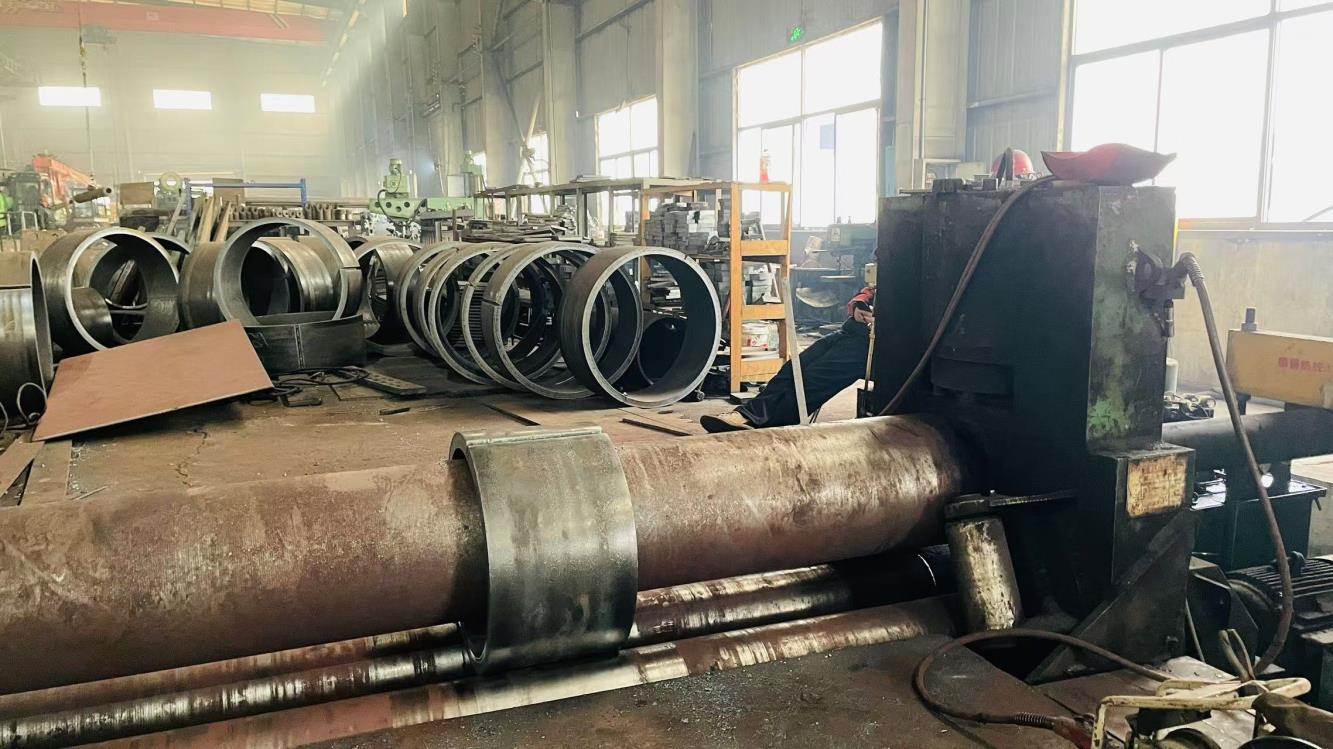
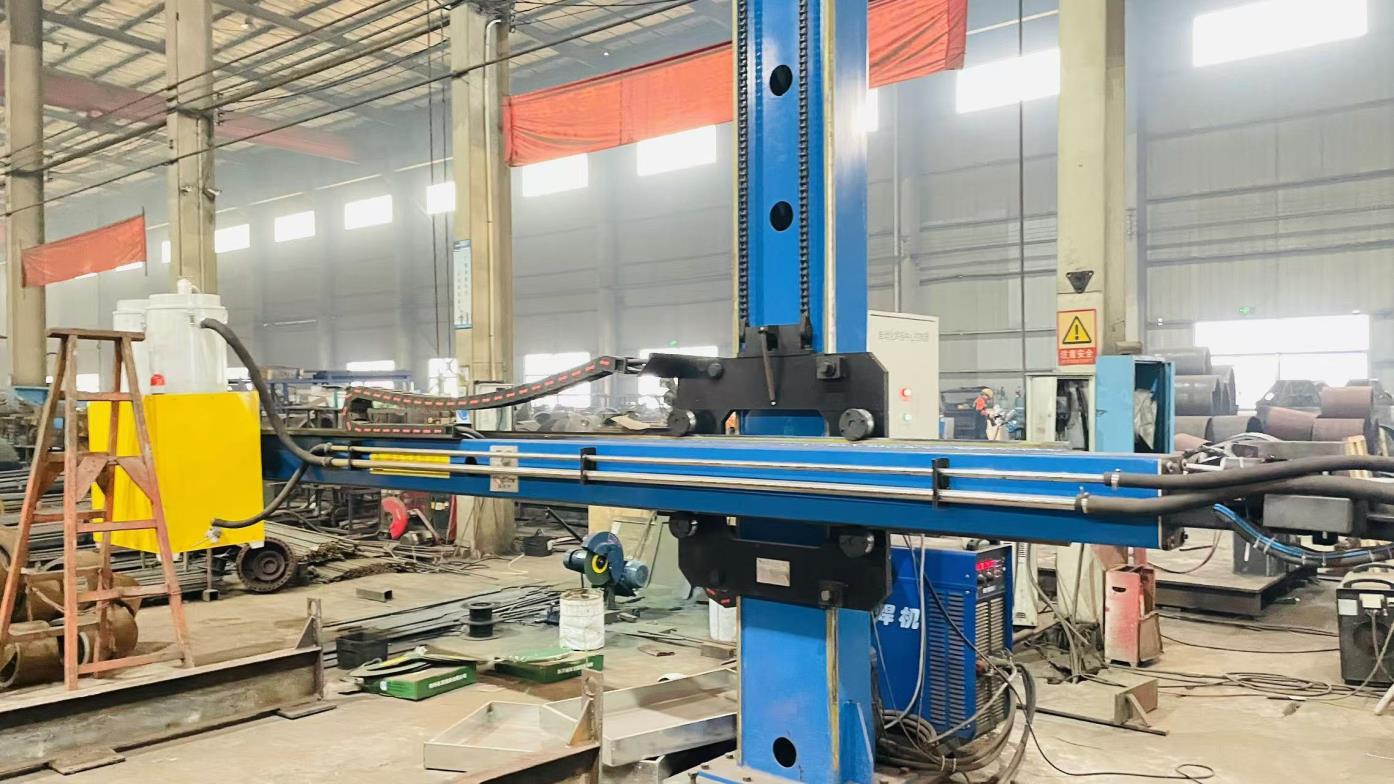
Advanced production lines ensuring reliable yield strength and micro-structural consistency across every stabilizer.
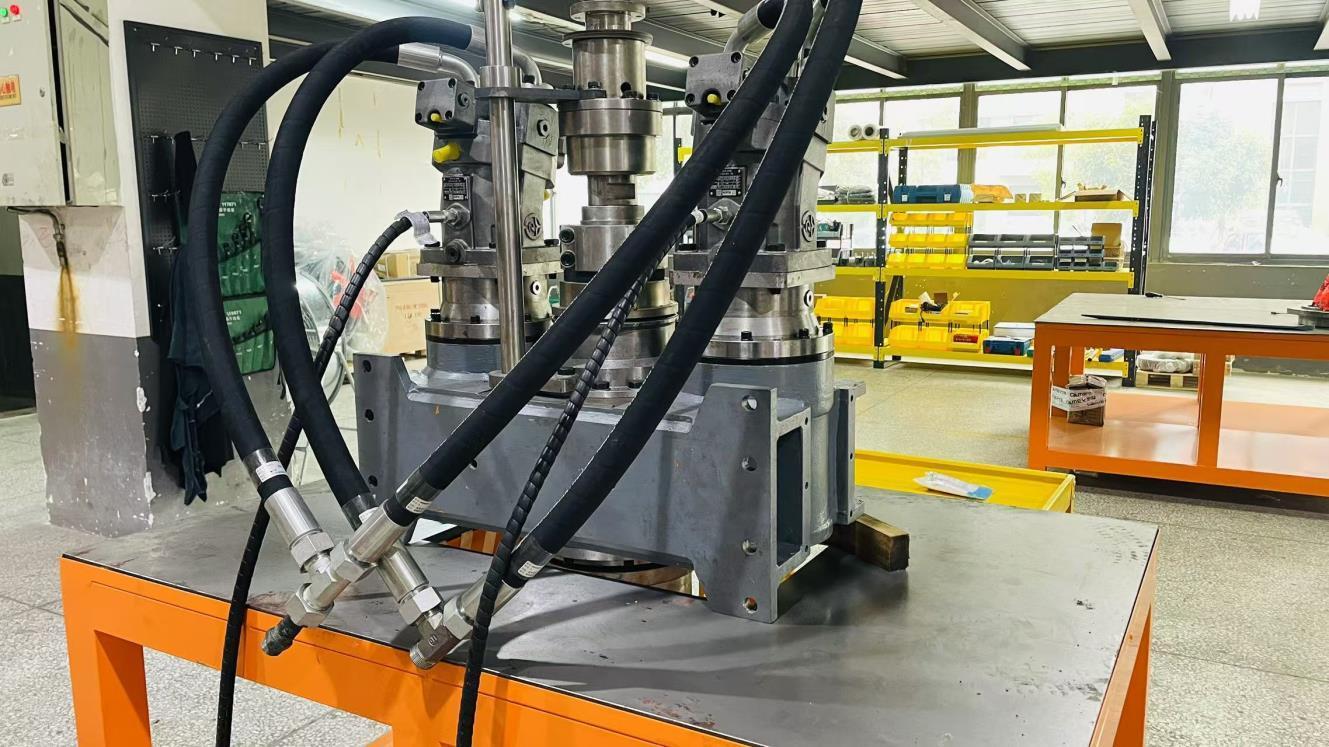
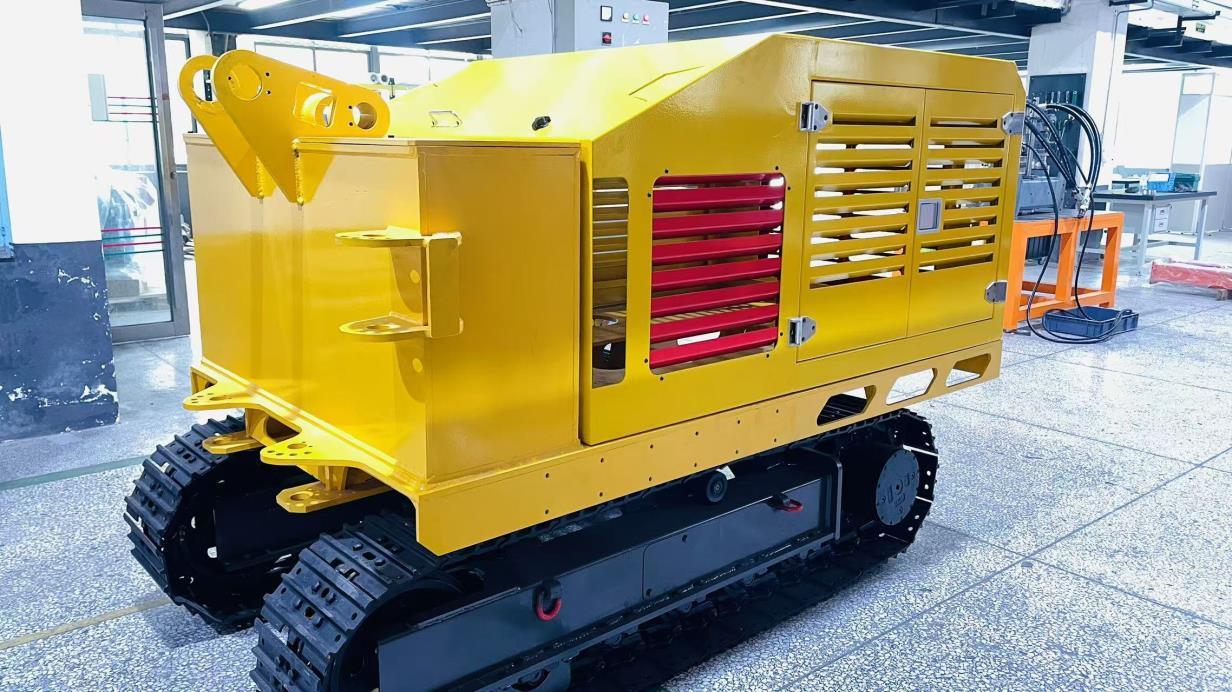
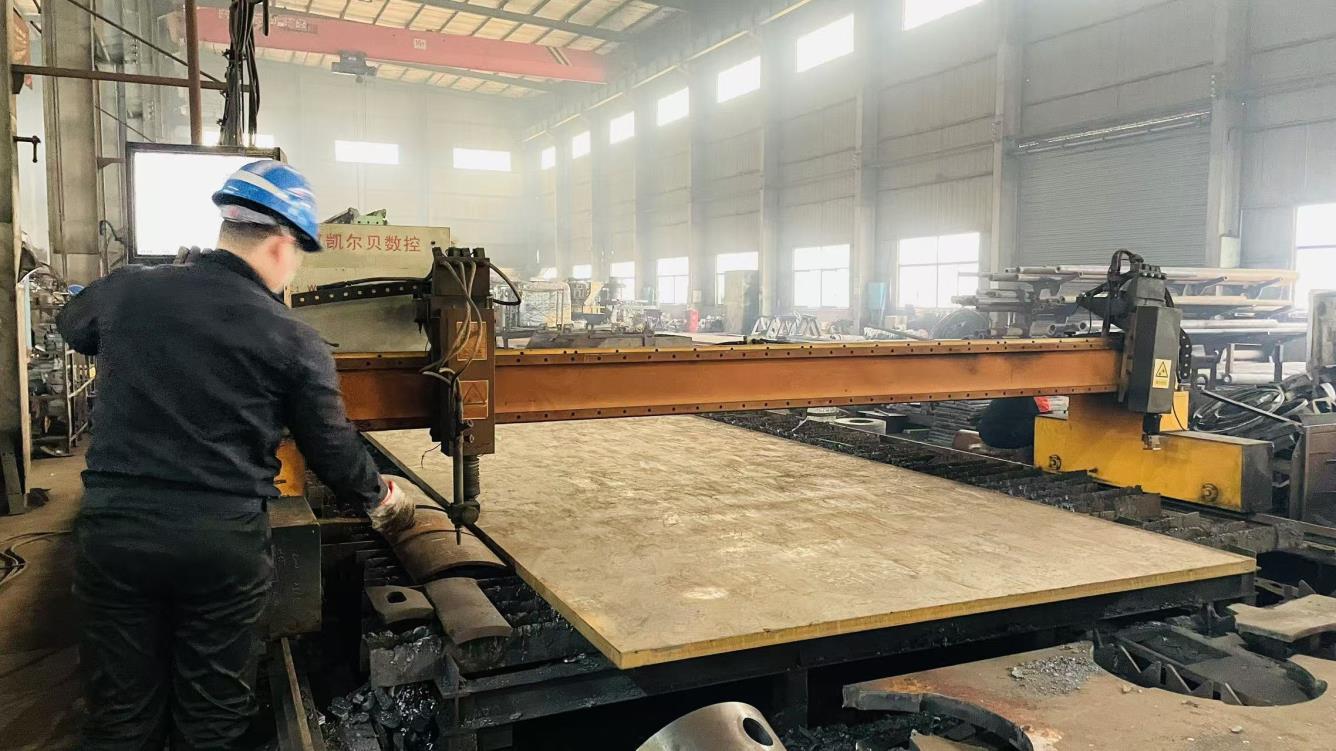
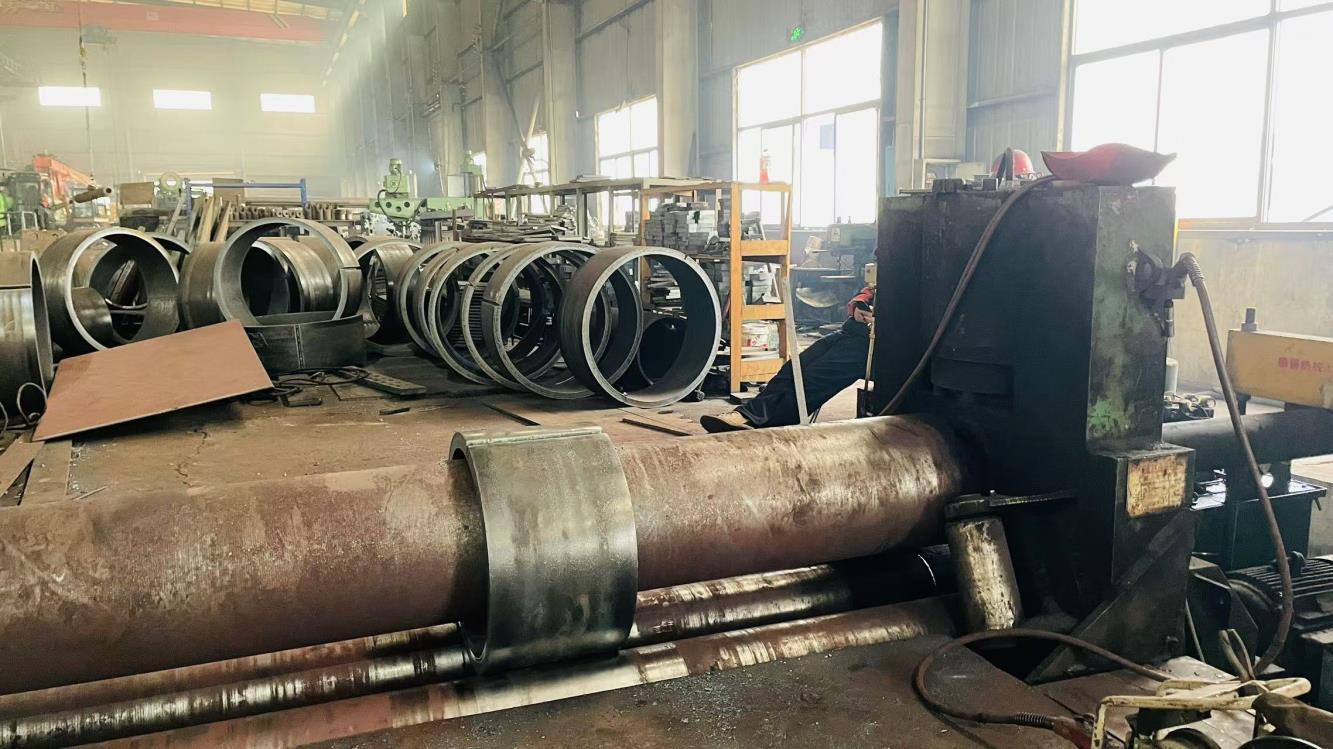
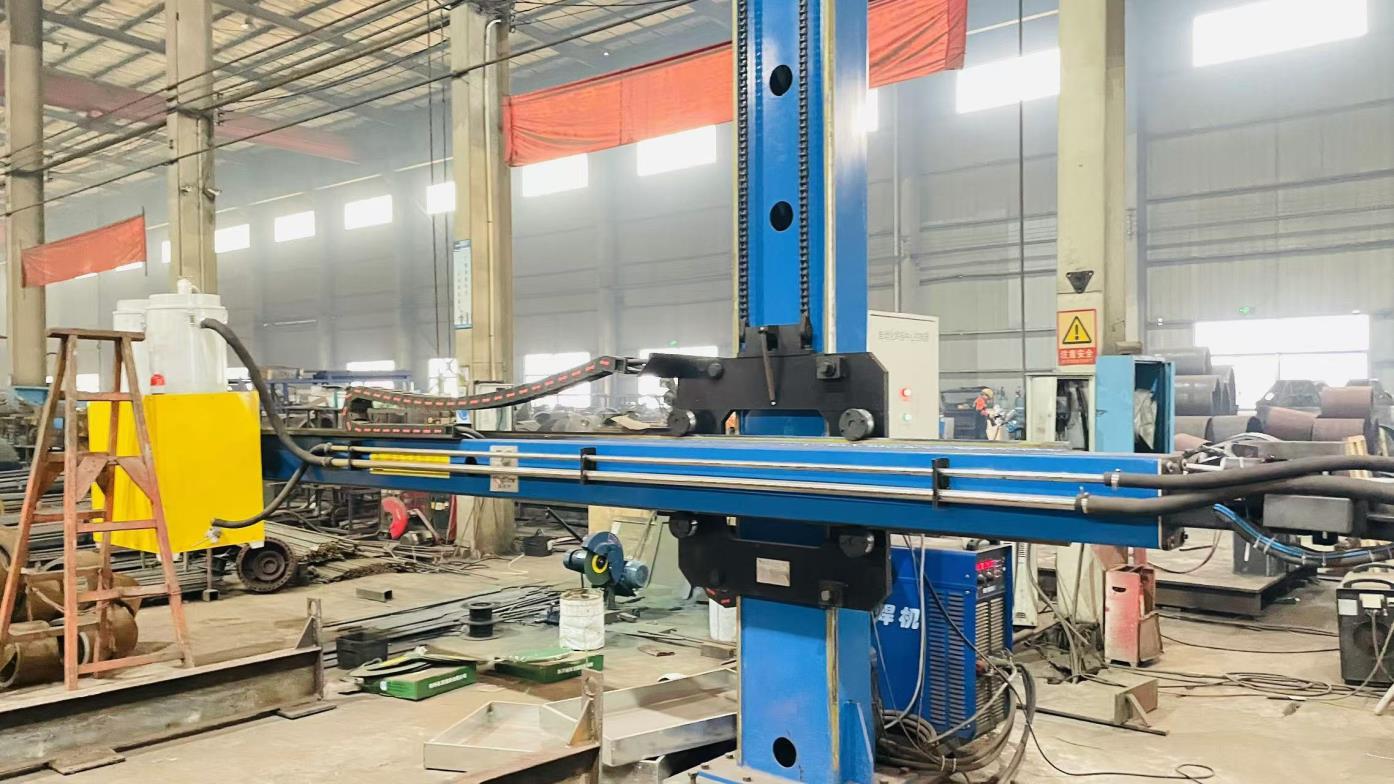
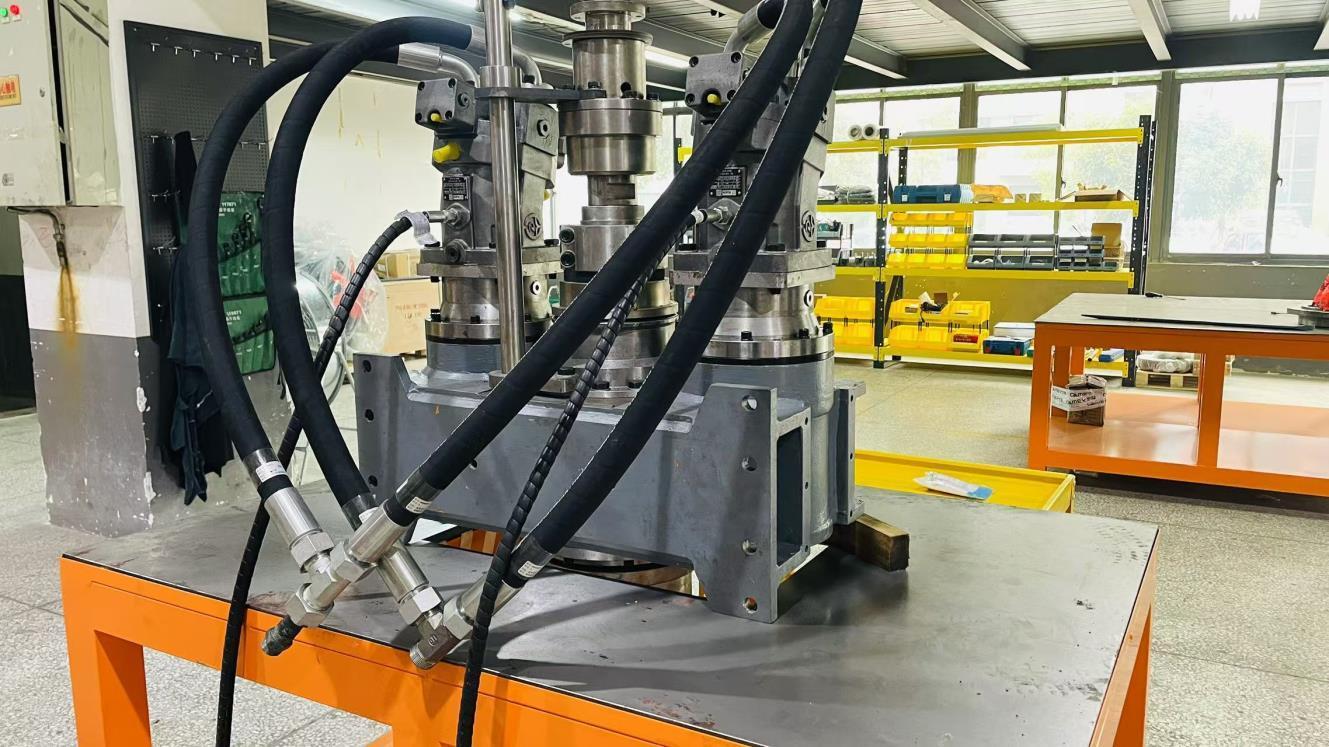
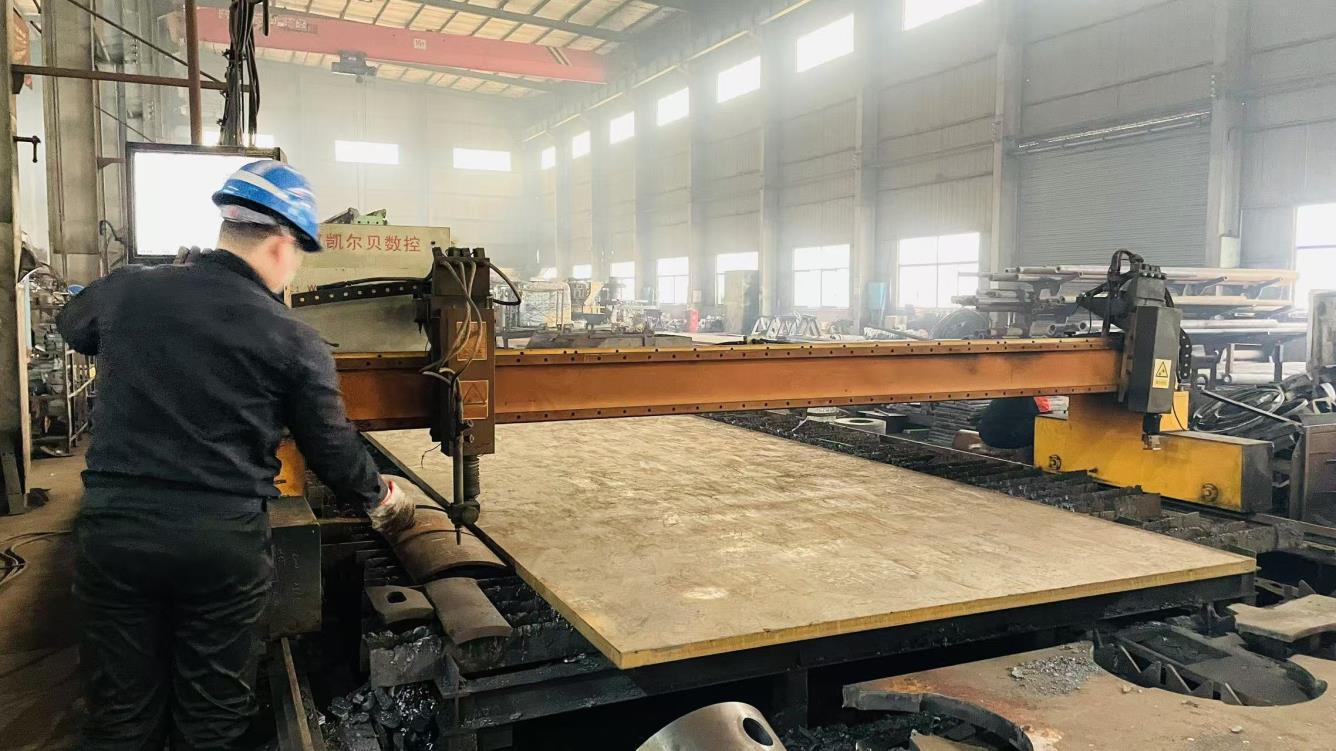
Aligning structural characteristics with WorkSafe NZ regulations and AS/NZS testing codes.
| Nominal Bolt Diameter | Typical Hole Drill Size | Tensile Capacity (Typical) | Friction Anchorage Rate | Best Applications (NZ Market) |
|---|---|---|---|---|
| 33mm (SS-33) | 30mm - 32mm | 8 - 10 Metric Tons | 1.2 - 1.5 Tons/Foot | Narrow vein gold mines, rapid development drift roof support. |
| 39mm (SS-39) | 35mm - 38mm | 11 - 13 Metric Tons | 1.5 - 1.8 Tons/Foot | Underground infrastructure tunnels, light road slope stabilization. |
| 46mm (SS-46) | 41mm - 45mm | 16 - 19 Metric Tons | 1.8 - 2.2 Tons/Foot | Heavy-duty highway tunnels, geological shear zones, active fault spans. |
In compliance with international quality assurance parameters, each batch of our friction stabilizers undergoes rigorous verification of tensile strength, elongation, and hot-dip galvanization coat thickness. For the New Zealand construction sector, maintaining documentation of compliance to local regulations (such as NZS 3910 for construction and the Health and Safety at Work (Mining Operations and Quarrying Operations) Regulations 2016) is vital. We supply mill test certificates, steel chemical heat reports, and dynamic load testing documents to streamline local certification processes.
Our commitment to sustainable engineering, low-carbon manufacturing, and smart geotechnical anchoring.
We are developing high-elongation steel alloys engineered specifically to absorb tectonic shockwaves without experiencing brittle fracture failure, keeping miners safe during seismic activities.
Our research pipeline includes passive sensor collars that monitor load changes and rock friction loss in real-time, sending data directly to engineering tablets on site.
Utilizing low-emission zinc coating technology, we significantly reduce volatile waste while ensuring our products withstand highly acidic runoff, typical in many historic New Zealand mining fields.
Our fully certified rock bolts, stabilizers, mechanical drivers, and dynamic mounting solutions for New Zealand sites.
Clear, expert answers to key questions regarding pull-out testing, installation tolerances, and environmental coating selections.
The friction anchoring capacity of split sets relies heavily on the borehole diameter. If the drill bit is worn down, the hole will be too small, causing deformation during insertion. If the drill hole is oversized, the radial tension will drop, reducing the pull-out resistance. We recommend conducting pull-out tests on site using a hydraulic hollow plunger cylinder to ensure the anchorage holds to standard capacity.
For damp underground conditions, we recommend using hot-dip galvanized steel (conforming to AS/NZS 4680 limits) or epoxy-coated stabilizers. Galvanization provides a sacrificial zinc layer that prevents iron oxidation. For extremely acidic runoffs, epoxy coatings act as a robust chemical barrier against water ingress.
Resin bolts provide high stiffness, but they are relatively brittle under sudden ground displacement. Friction bolts (split sets) offer excellent flexibility, sliding slightly during rock movements without breaking. Additionally, they are faster to install, requiring no resin cartridges or curing times, which streamlines operations.
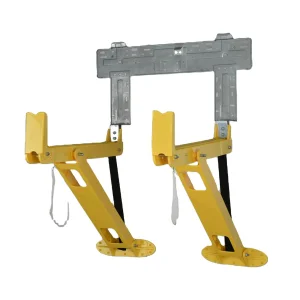
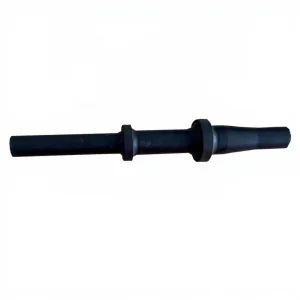
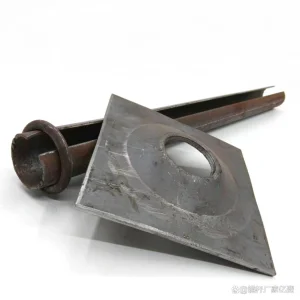
Yes. We supply high-strength steel dome plates and utility loops that match our bolts. Additionally, we provide custom-fitted installer drive dollies (compatible with handheld pneumatic rock drills and mechanized bolting rigs) to ensure safe and efficient installation.
Partner with an experienced manufacturer that understands New Zealand's geotechnical requirements. Get high-quality products, verified test sheets, and reliable logistics support.
Send Inquiry Now