1 / 5
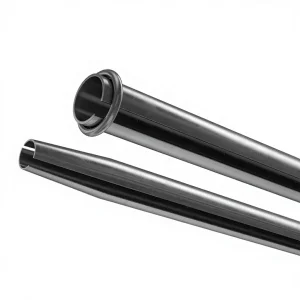
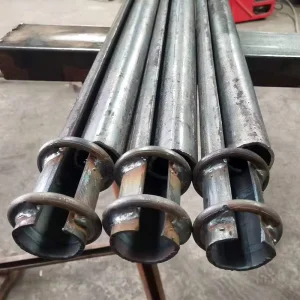
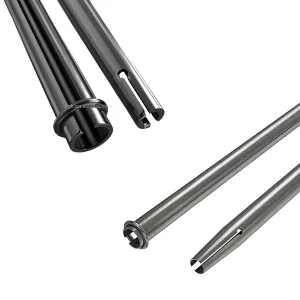
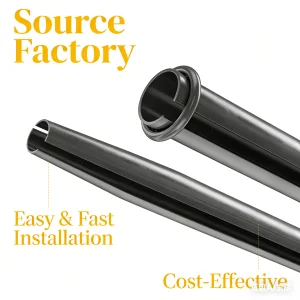
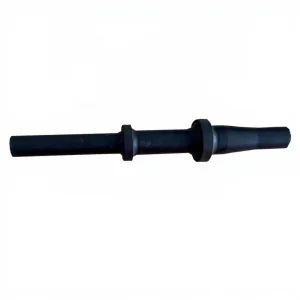
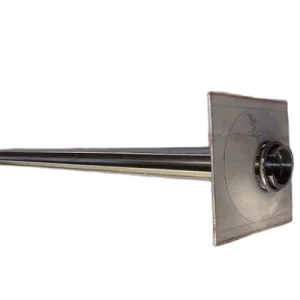
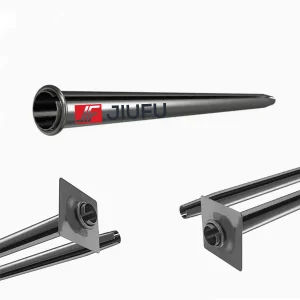
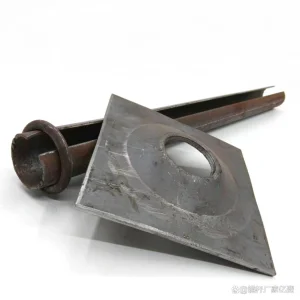
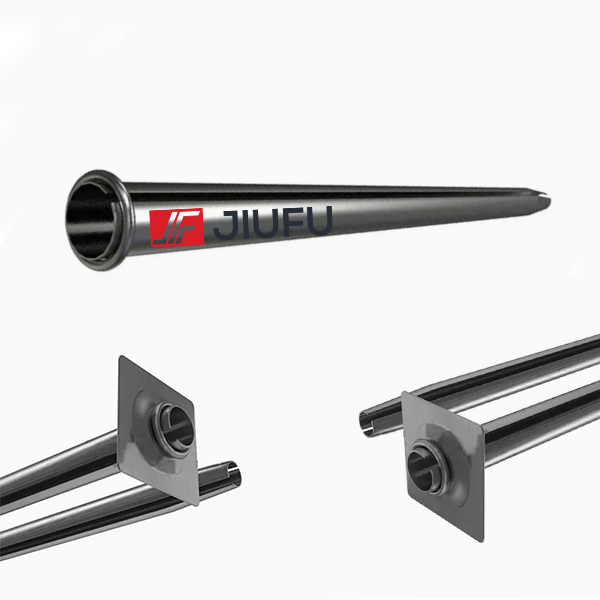
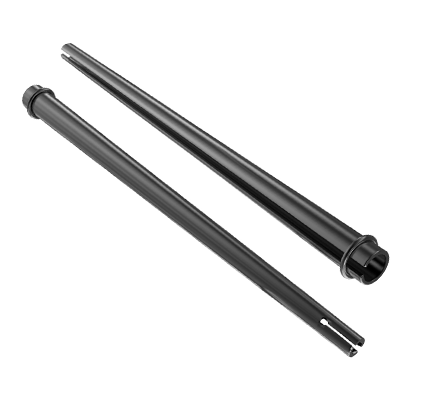
The Split Set stabiliser is a slotted steel tube, with one end tapered for easy insertion into a drill hole. The other end has a welded ring flange to hold the bearing plate.
The tube has a nominal outside diameter of 33/37/42/47mm.
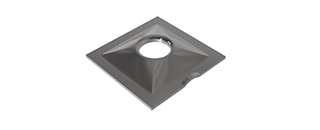


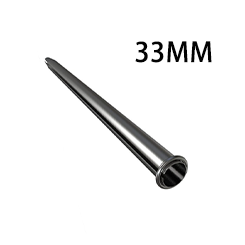
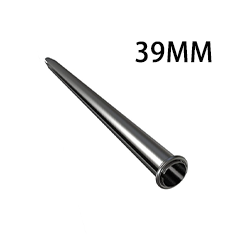
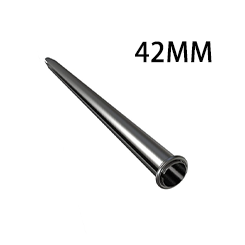
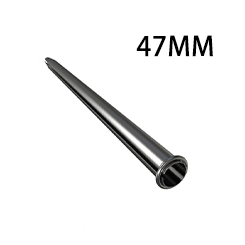
| Specifications | 33mm | 37mm | 42mm | 47mm |
|---|---|---|---|---|
| Length | 1-3M/Customizable | |||
| Wall Thickness | 1-4mm/Customizable | |||
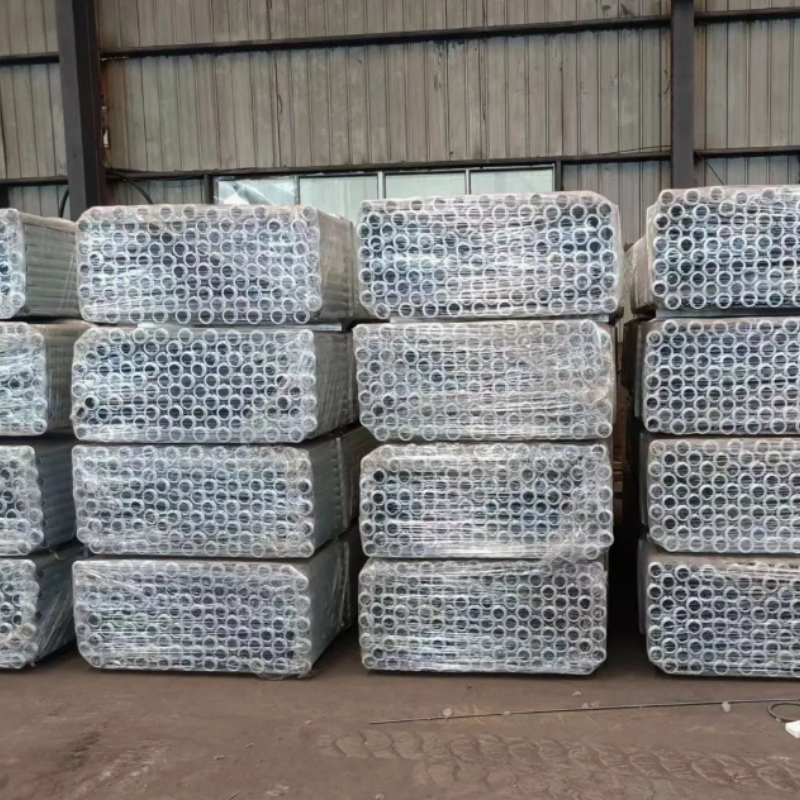
| Hot-dip Galvanizing | 430g-600g /㎡/Customizable | |||
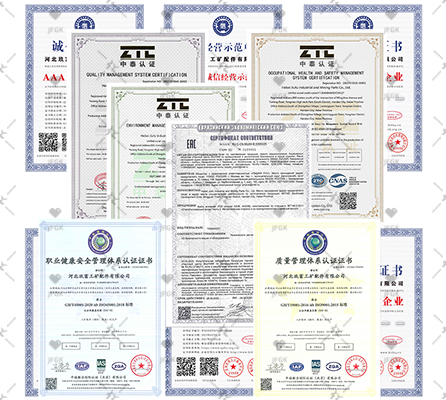
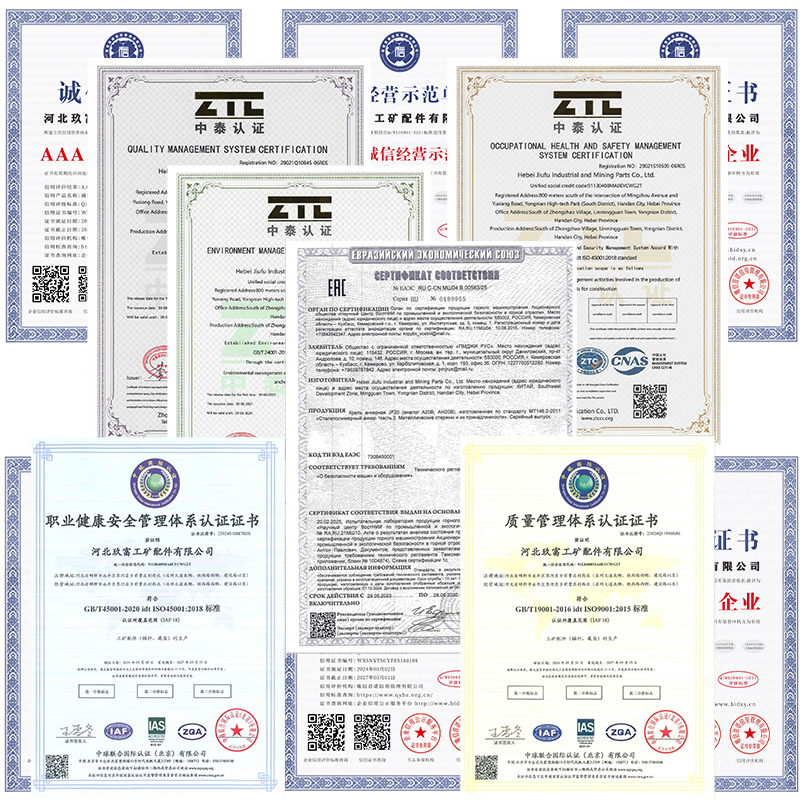
We are committed to providing products and services that meet customer needs and expectations, taking into account the customer's corporate background and strategic direction, and ensuring compliance with ISO, MSDS, SGS, FCA, GOST, CE and other standards. We have strict guidelines to ensure the quality of our products.
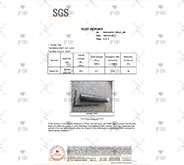
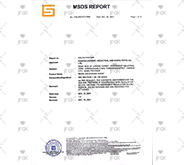
As a specialist manufacturer of metal anchoring systems, we secure infrastructures across 150+ countries, including Russia, South Africa, Australia, and the United States.
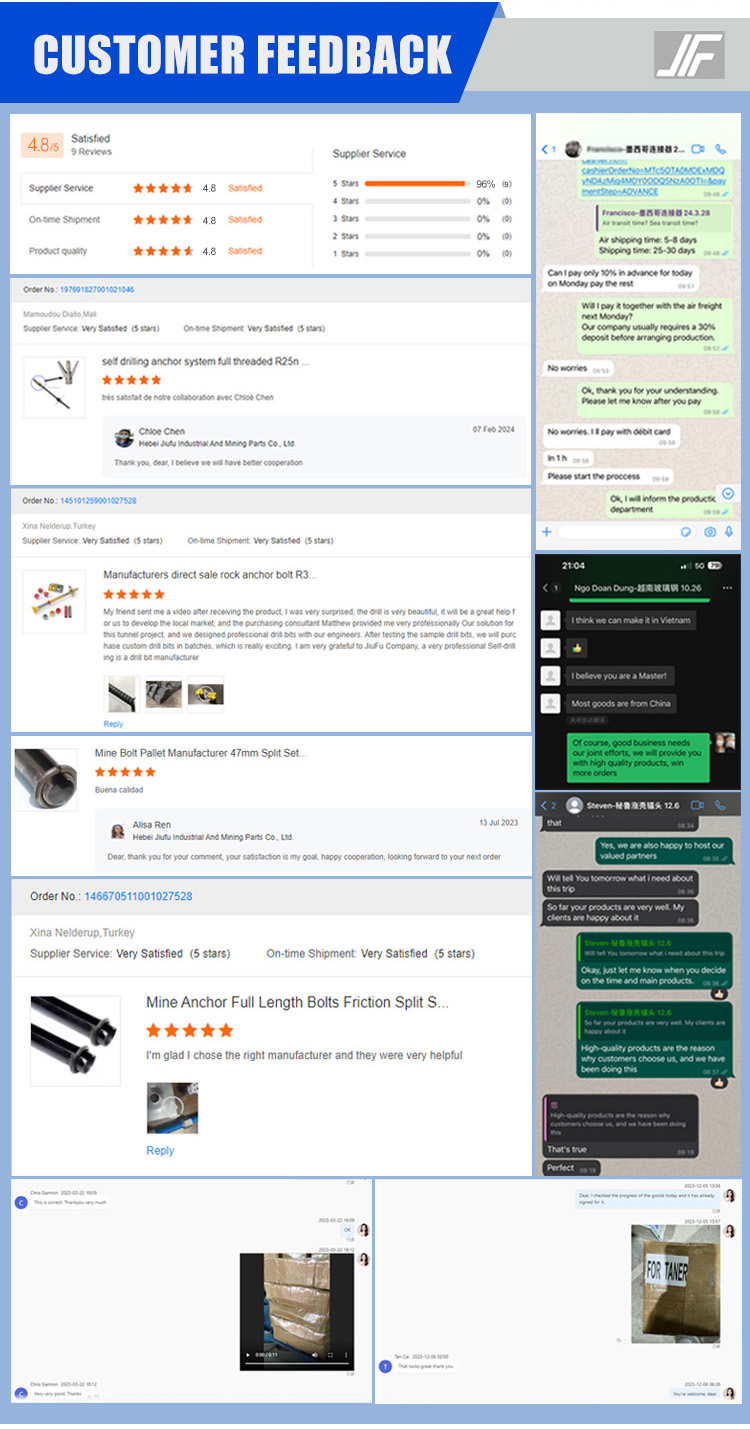
Trusted Worldwide: From Siberian permafrost to South African deep-level mines, from Australia’s corrosive sites to North America’s hard rock formations — we deliver locally-optimized performance with globally certified quality, earning consistent acclaim from industry leaders.
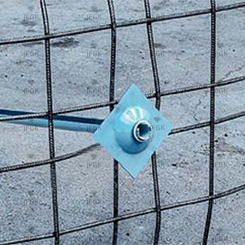
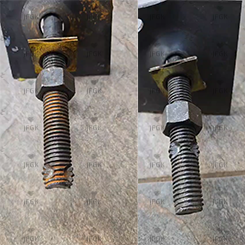
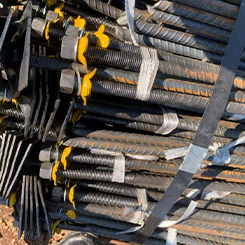
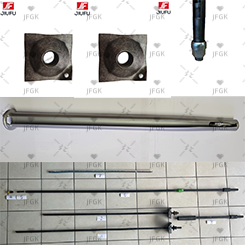
In addition to standard sizes, we also offer in-depth customization services. We precisely adapt to national standards, meet diverse regulatory requirements, and create tailored solutions for unique application scenarios.
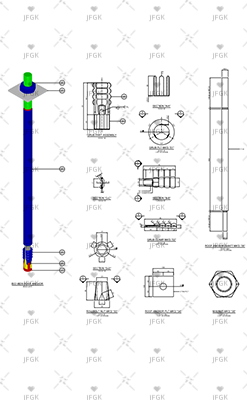
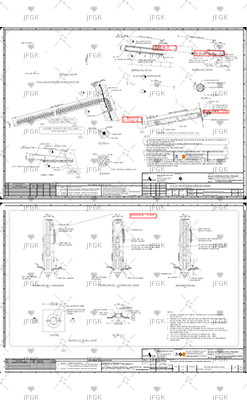
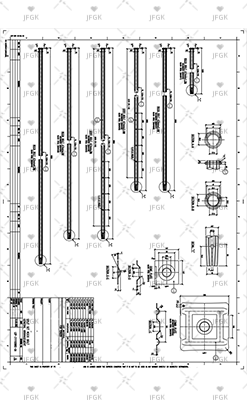
Based on customer needs, industry standards (such as ISO, GB, etc.) or internal specifications, clarify key product quality indicators (such as dimensional tolerances, performance parameters, appearance defect standards, etc.) and form written documents to ensure understanding by all employees.
Develop SOPs for each process (such as raw material inspection, assembly, and packaging) to clearly define the operating steps, tools, parameters, and qualification standards to avoid human operational differences.
Establish a supplier evaluation system (e.g., quality stability, production capacity, and compliance), conduct regular audits (on-site factory inspections and historical quality data), and eliminate unqualified suppliers. Sign quality agreements with core suppliers to clearly define raw material quality standards and liability for breach of contract.
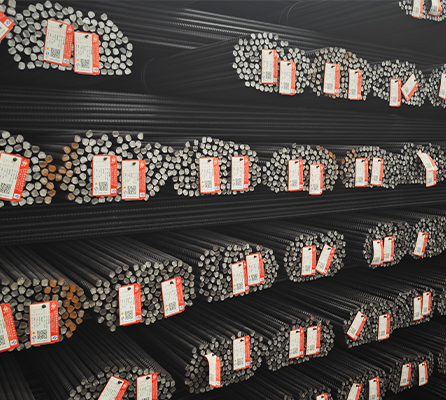
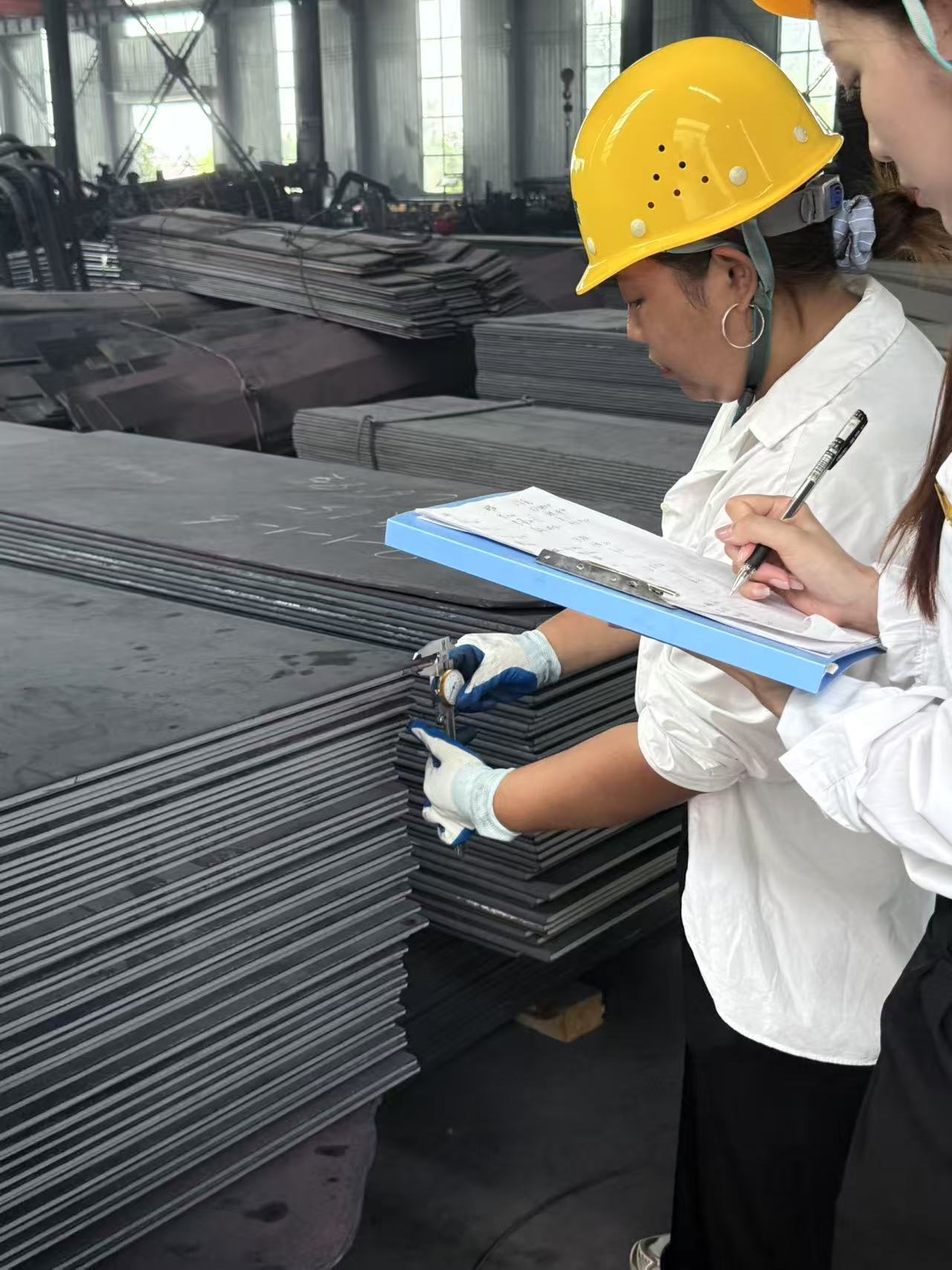
All incoming raw materials and parts undergo sampling or full inspection, and are judged as qualified according to standards. Unqualified products will be rejected or returned.
Before each shift and after mold/material changes, the first piece is fully inspected. Only after passing the inspection and documenting its compliance can mass production begin to avoid batch errors.
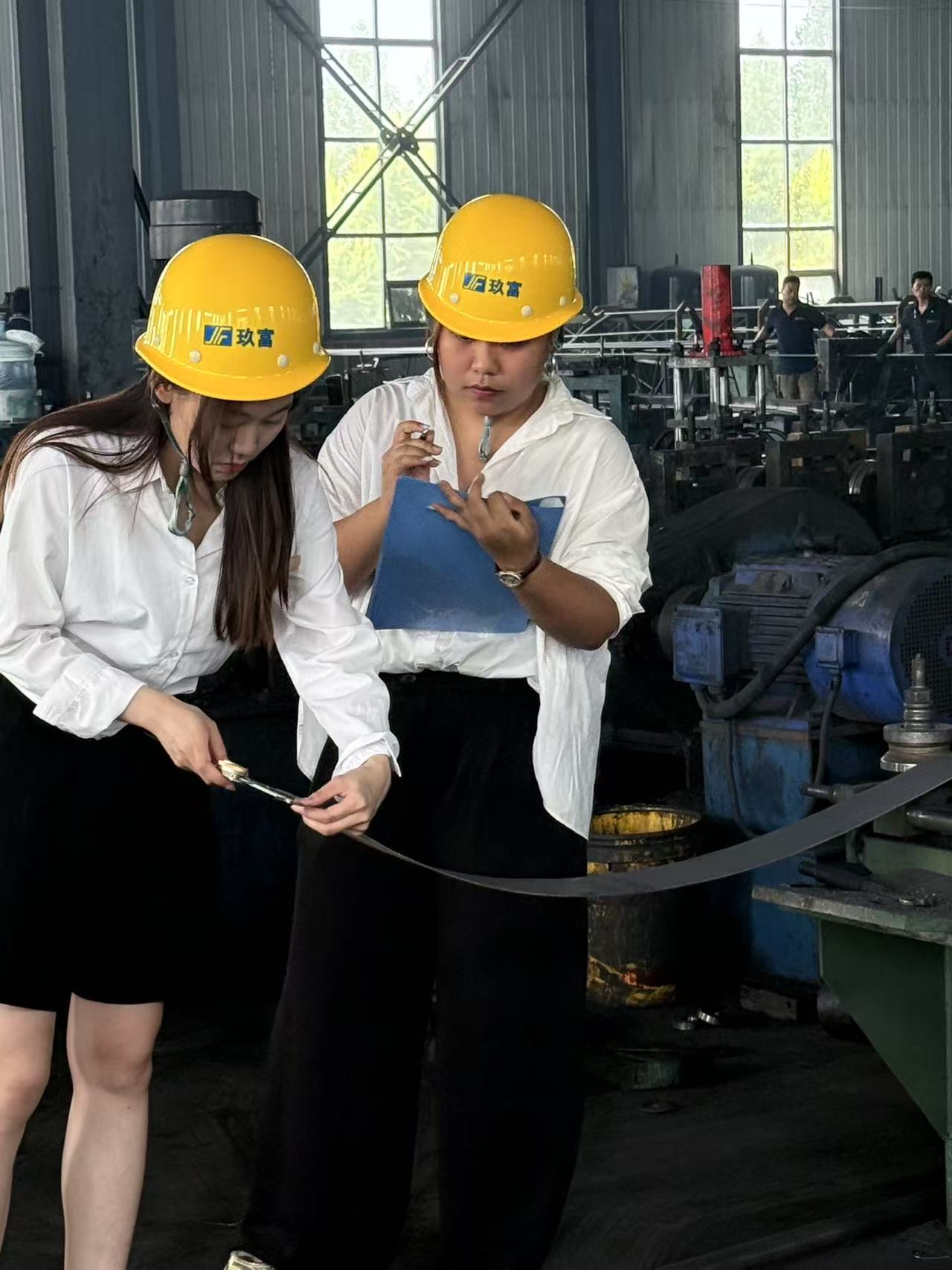
Quality inspectors regularly patrol each process, randomly sampling according to a certain percentage to check for compliance with SOPs and quality standards, and promptly identify anomalies.
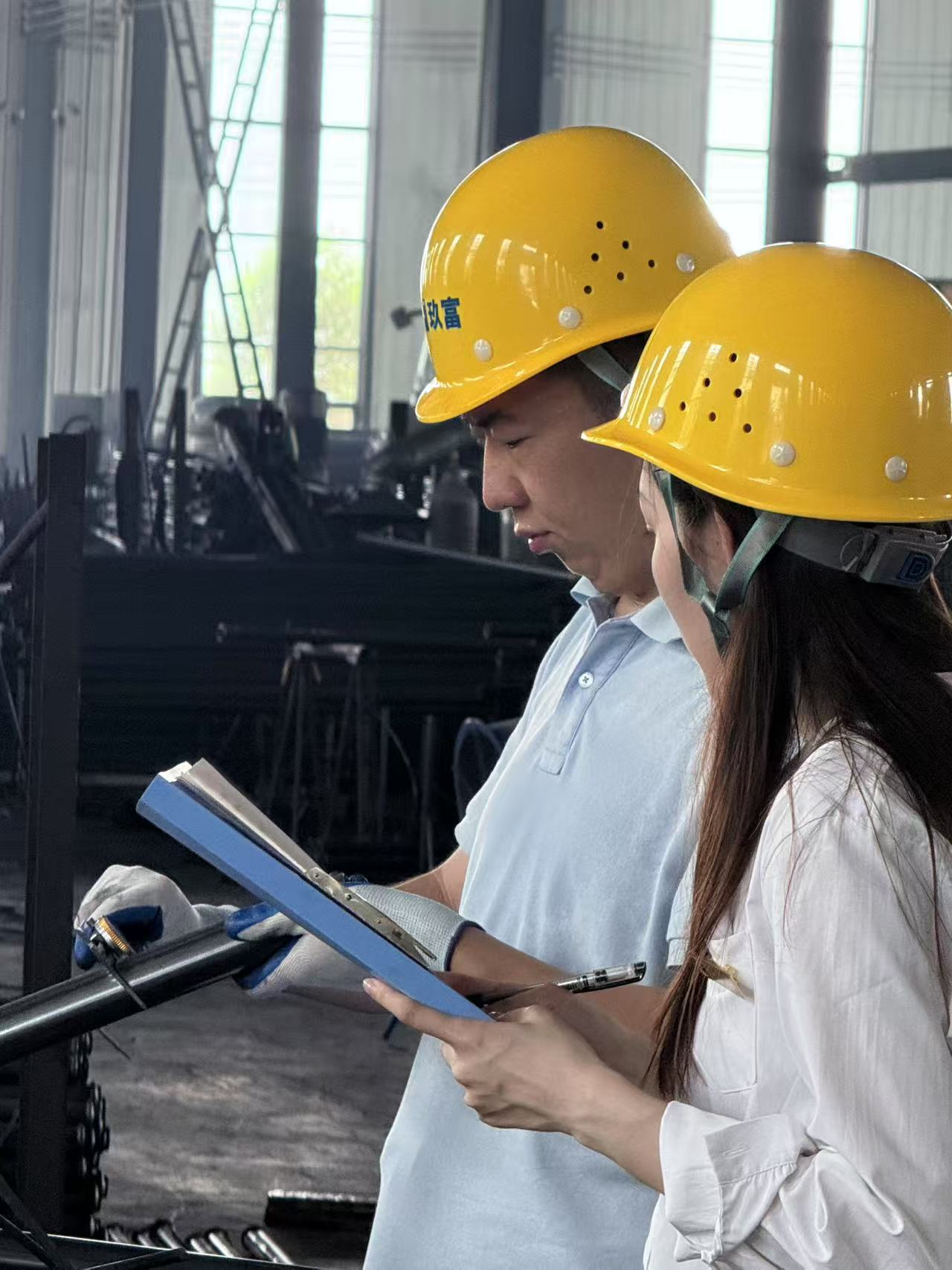
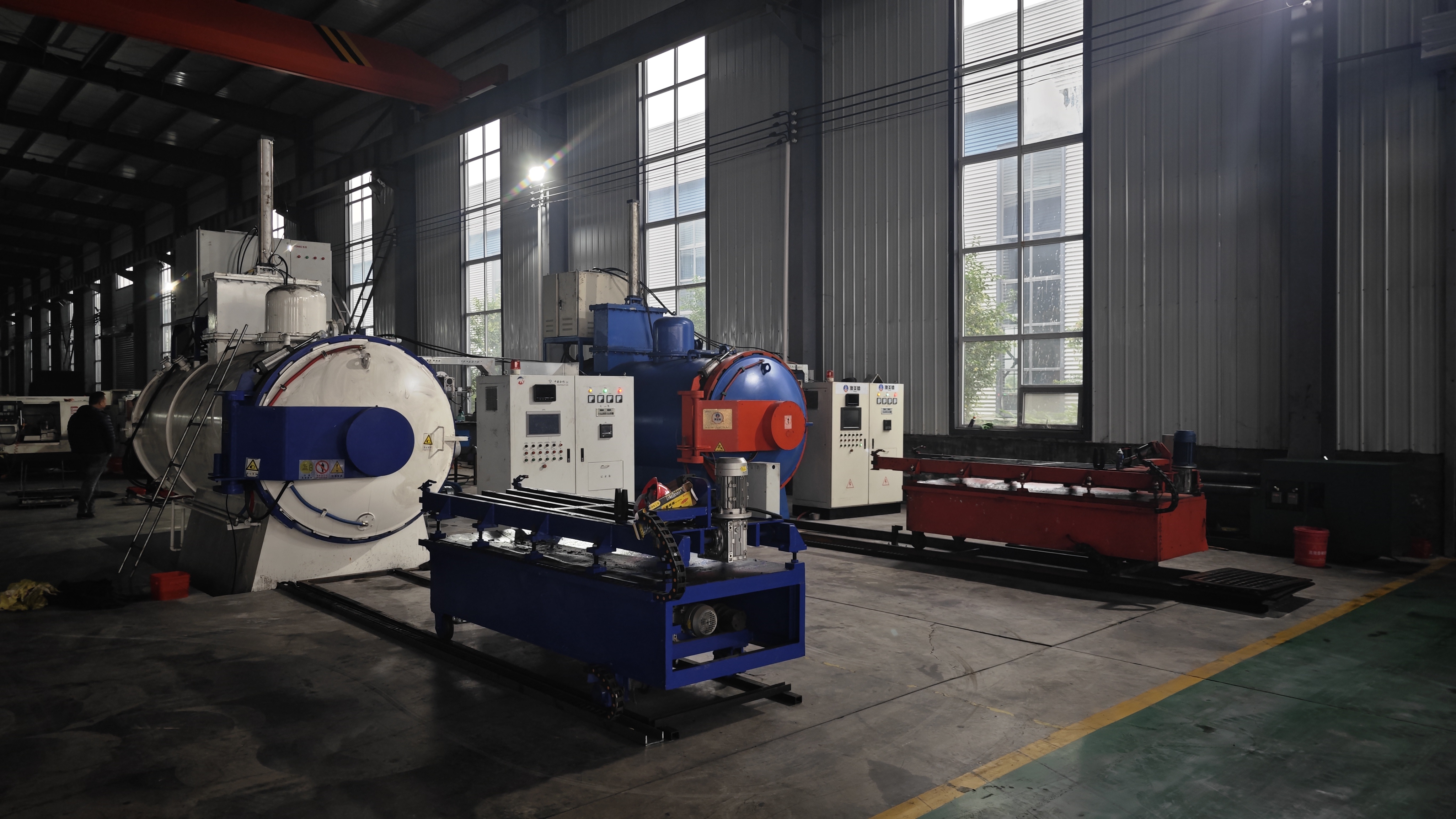
Production equipment and testing instruments (such as calipers and spectrometers) are regularly calibrated to ensure accuracy meets requirements. Tooling fixtures are maintained to prevent quality issues caused by equipment errors.
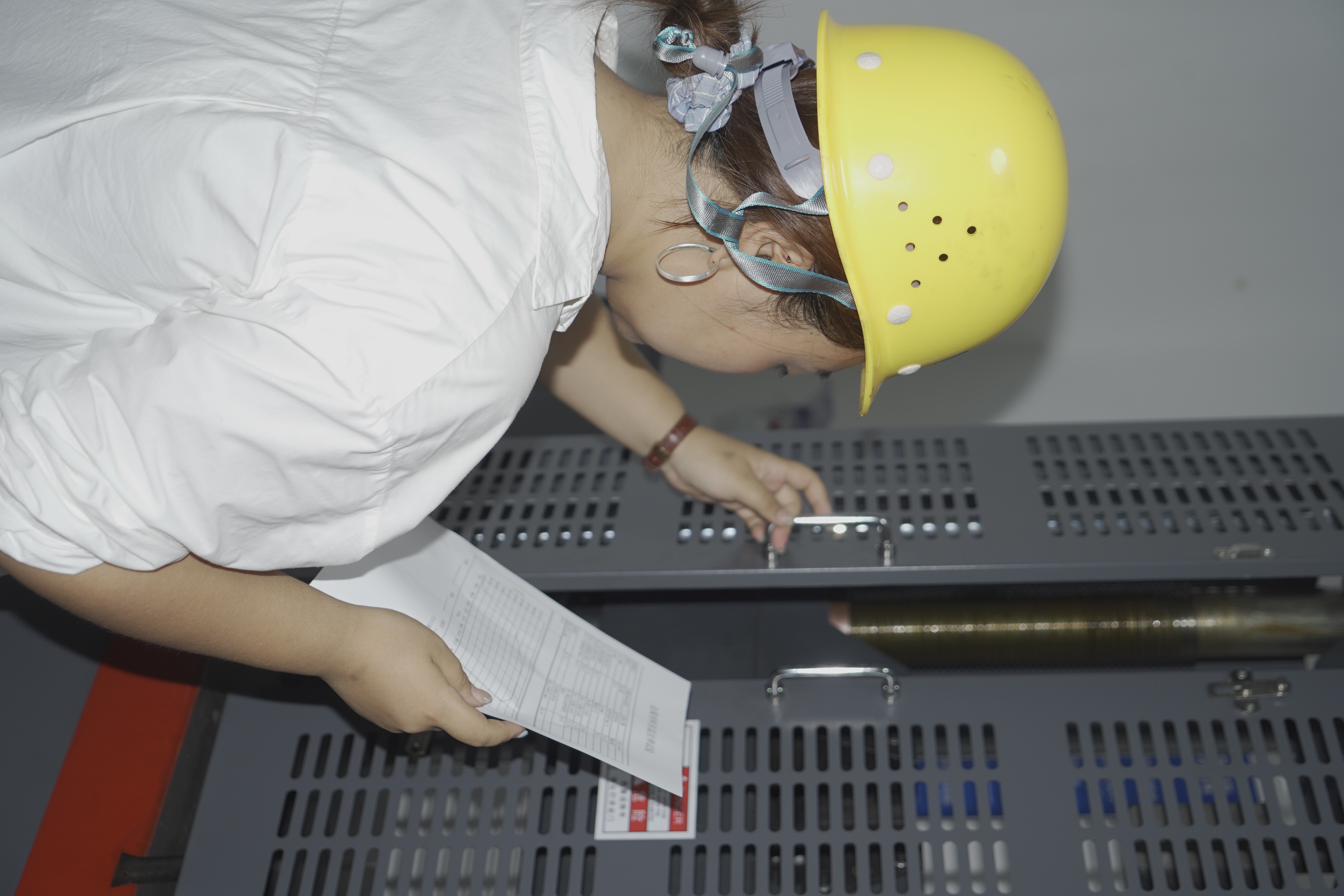
1. Before finished products enter storage, they undergo standard sampling inspections to check appearance, performance, packaging, and other aspects. Only qualified products can be stored or shipped.
2. Defective products (raw materials, work-in-progress, finished products) are labeled and isolated to prevent misuse. An evaluation is conducted (cause analysis and responsibility determination), and a handling plan (rework, downgrade, or scrap) is developed.
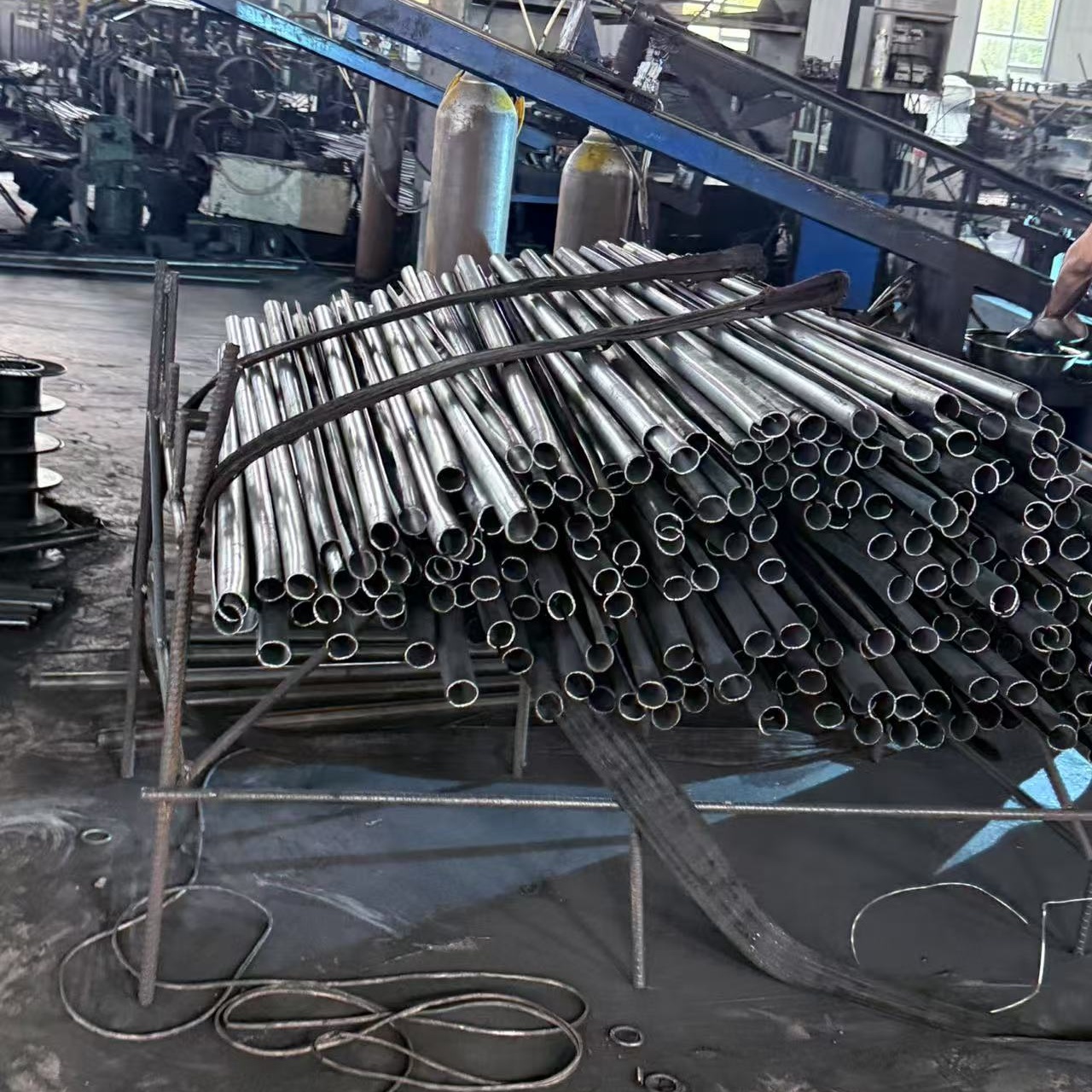
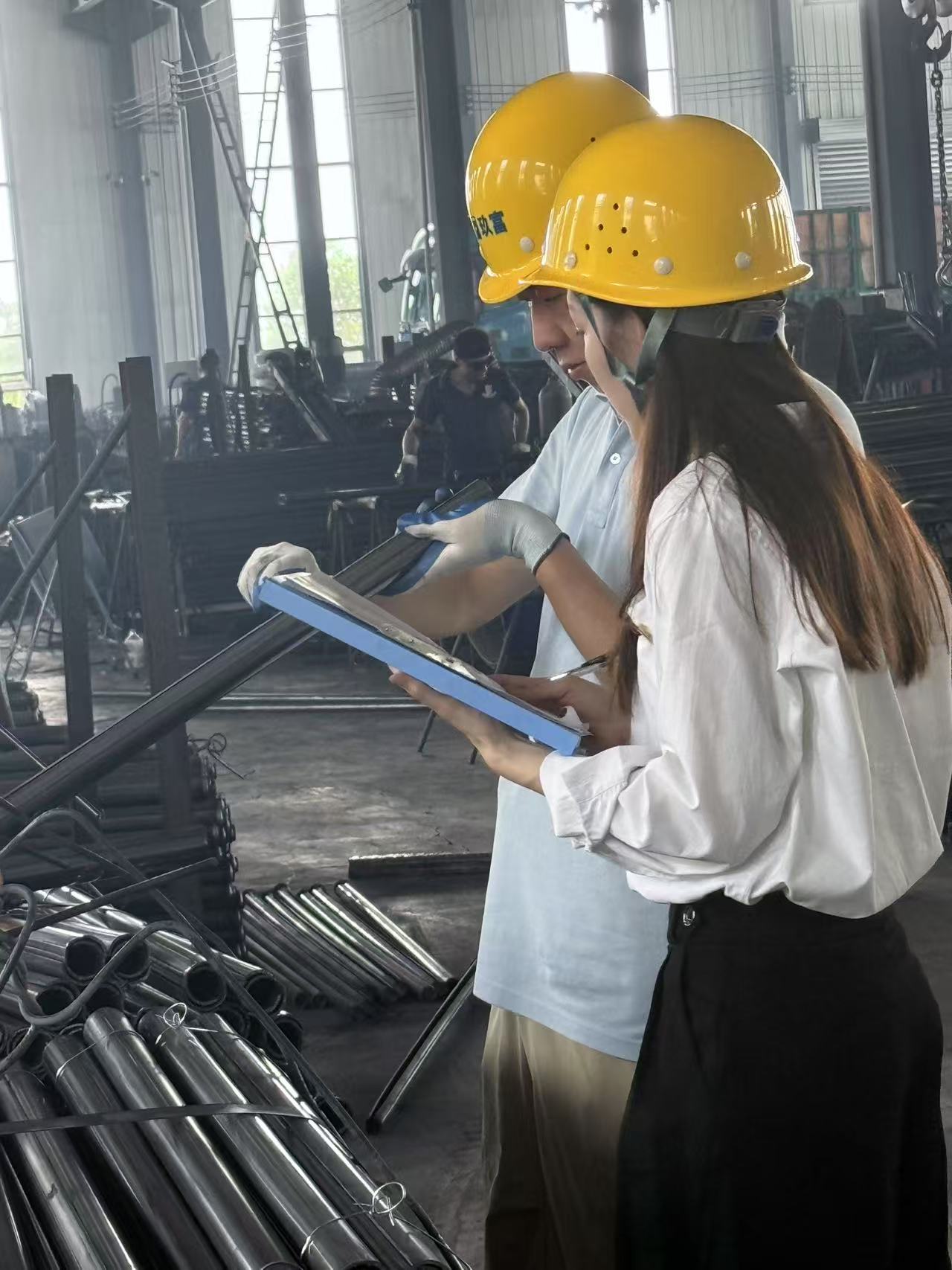
1. Job Training and Qualification Certification: Operators receive pre-job training (SOPs (Standard Operating Procedures), quality standards, and inspection methods). Only qualified personnel can begin work after passing the assessment. Special processes (such as welding) require certification. Periodic refresher training reinforces quality requirements.
2. Establish a "Quality Responsibility System": Clearly define the quality responsibilities of each position (e.g., operators are responsible for the quality of their process, while quality inspectors are responsible for inspection results). Link this to performance appraisals and clearly define rewards and penalties. Encourage employee participation in quality improvement (e.g., providing rewards for making reasonable suggestions and discovering potential problems).
1. Record data from the entire production process: raw material batches, equipment numbers, operators, inspection results, etc., to ensure product traceability (so that quality issues can be quickly identified).
2. Hold regular quality meetings to calculate defect rates, analyze frequent issues, and identify root causes (e.g., equipment, materials, or operation).
3. Promote the PDCA cycle (Plan-Do-Check-Act): Develop corrective actions (e.g., updating SOPs, changing suppliers), verify effectiveness, and standardize to prevent recurrence.
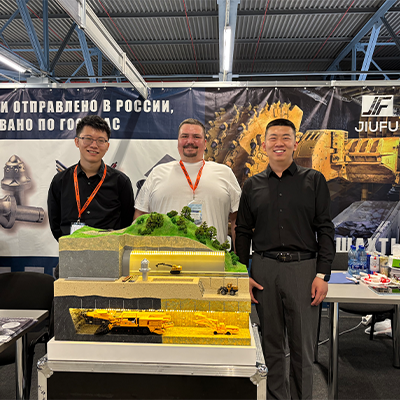
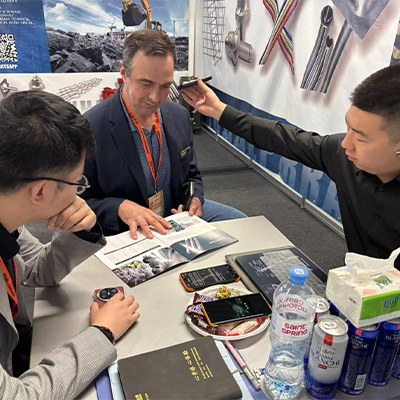
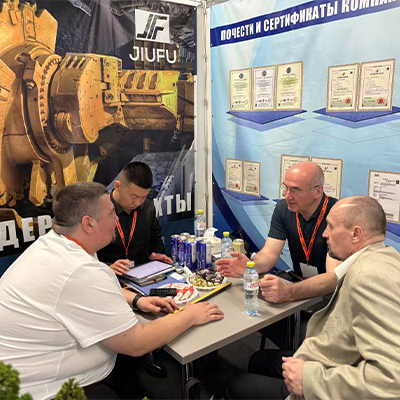
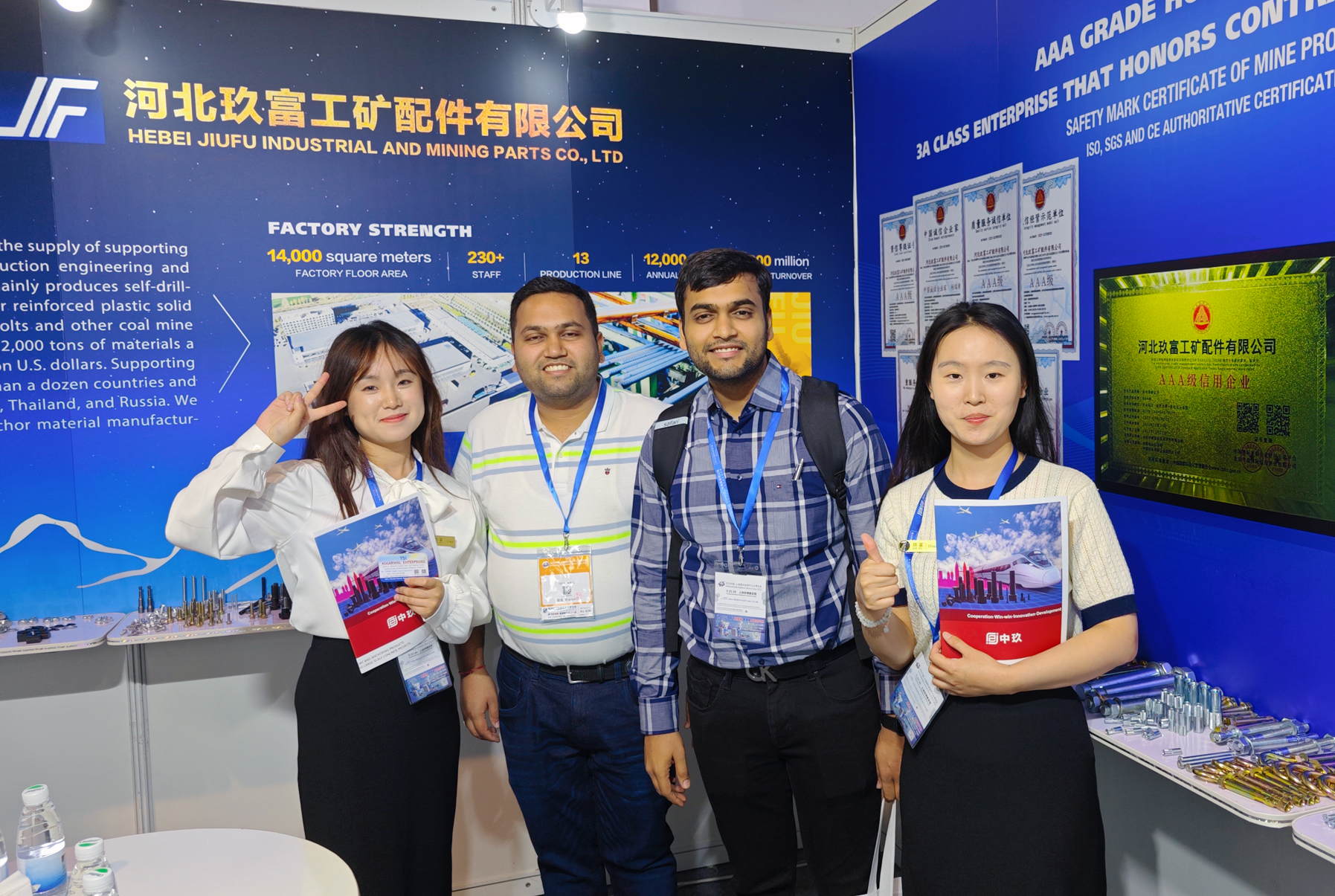
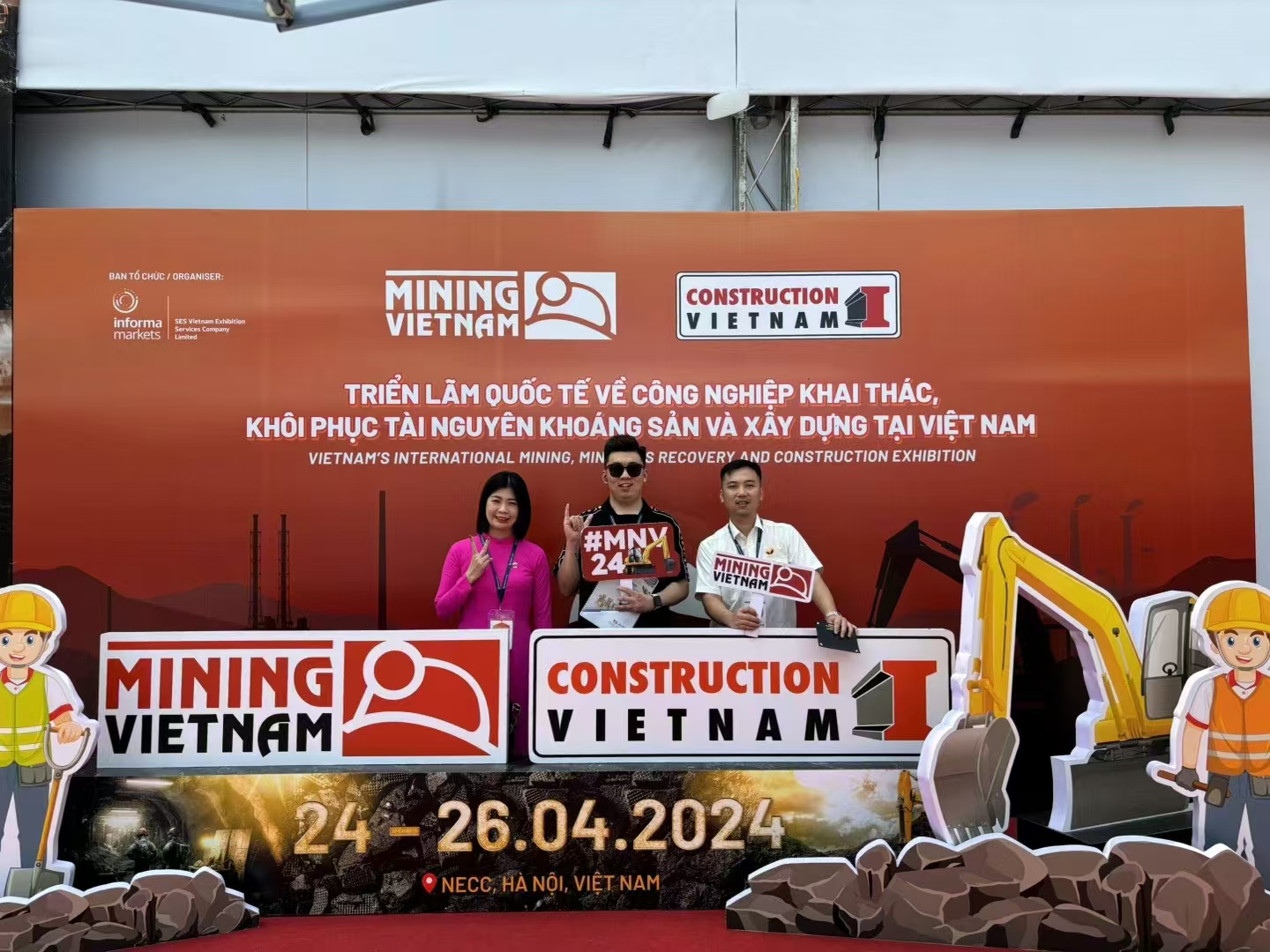
We exhibit annually at leading international mining expos to connect with industry partners across six continents, delivering tailored anchoring solutions at your point of need.
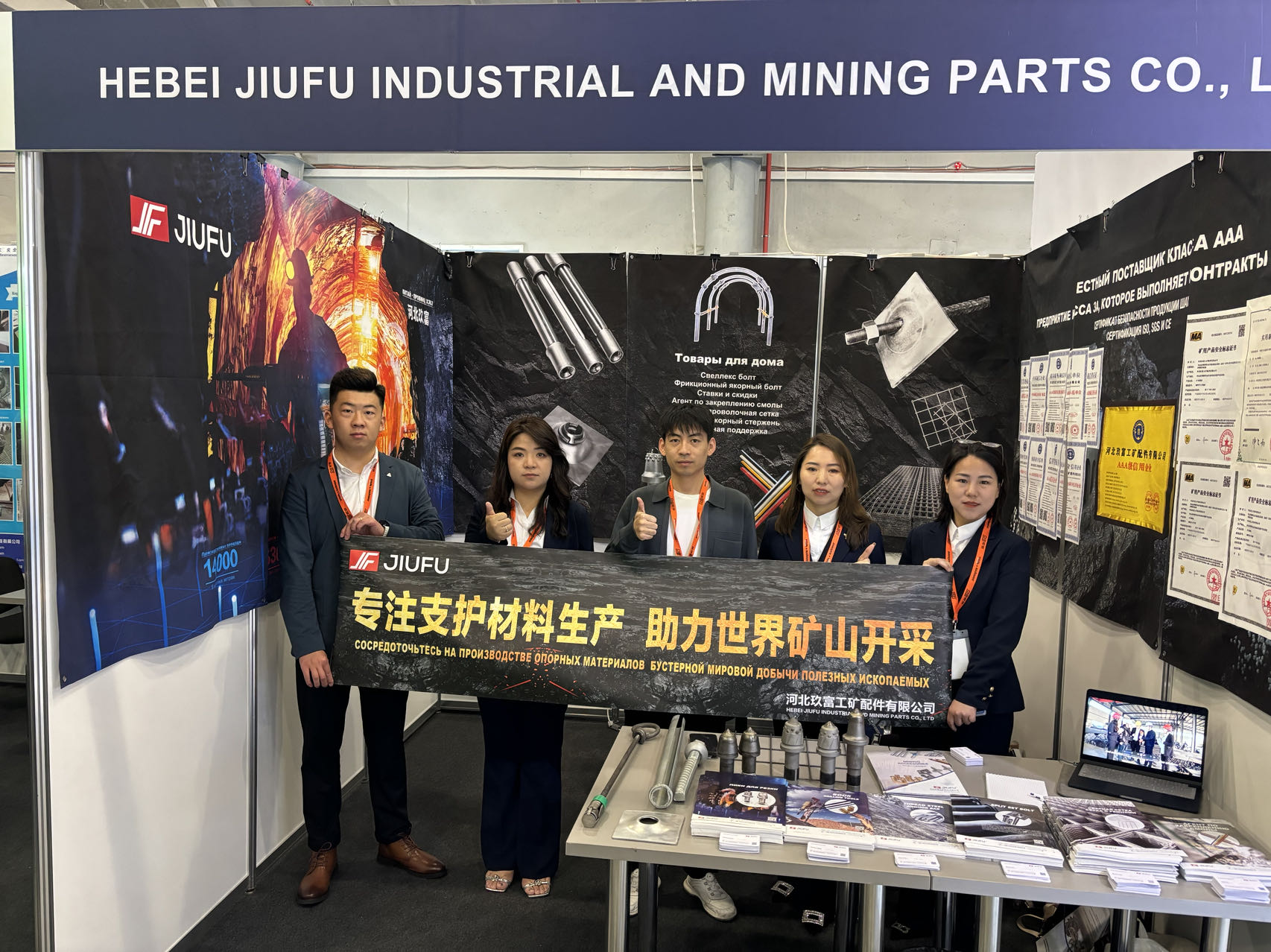
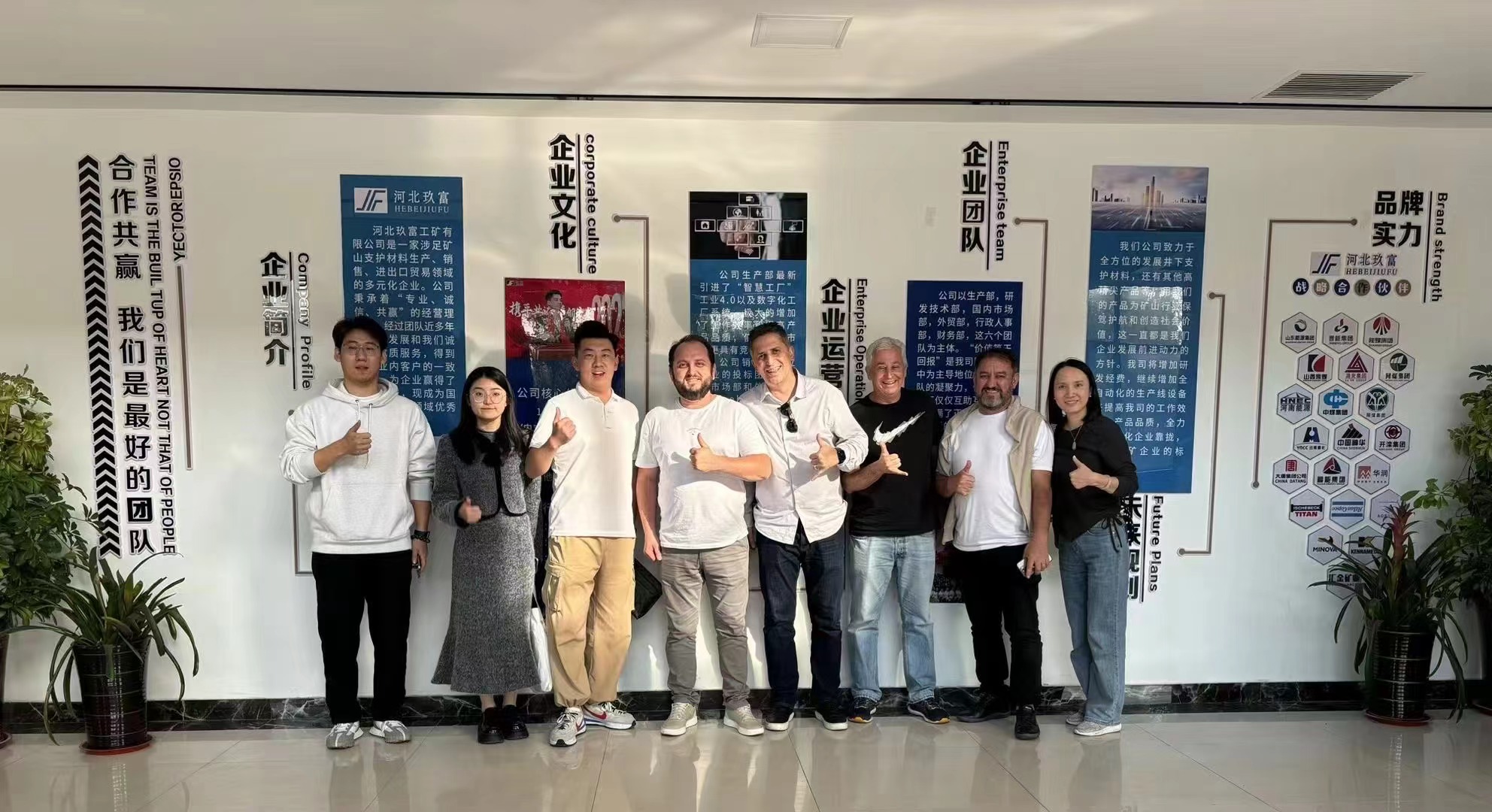
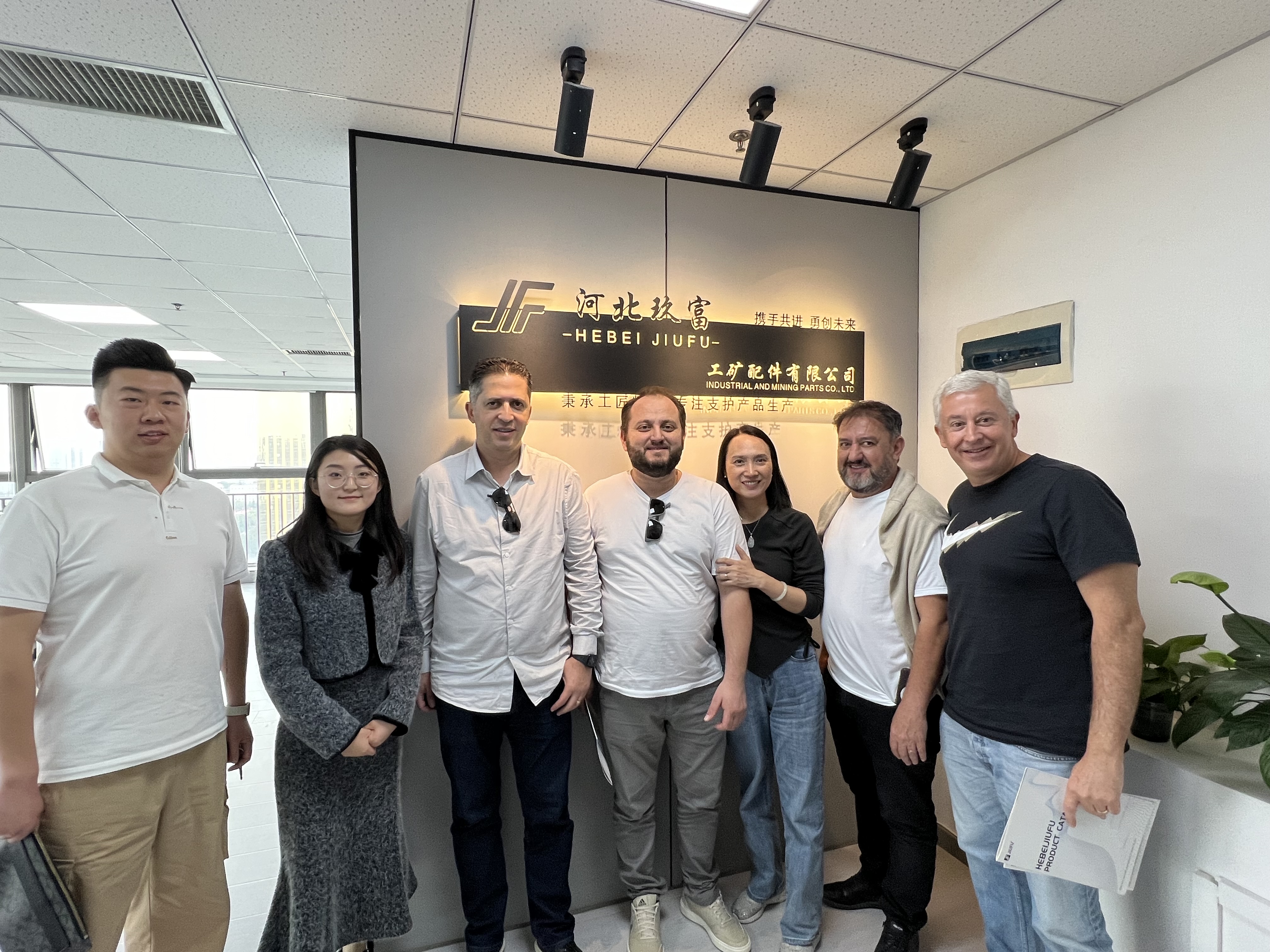
We welcome global partners to experience first-hand:
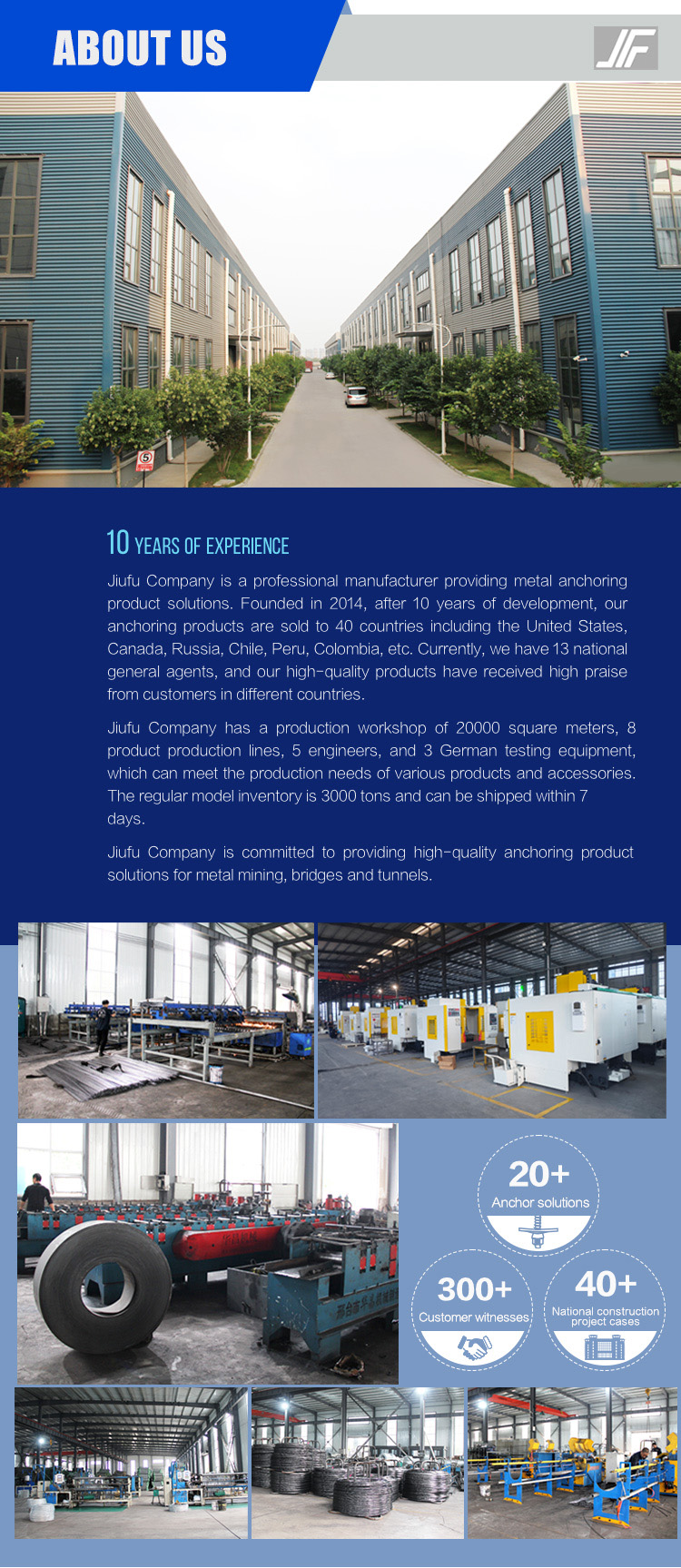
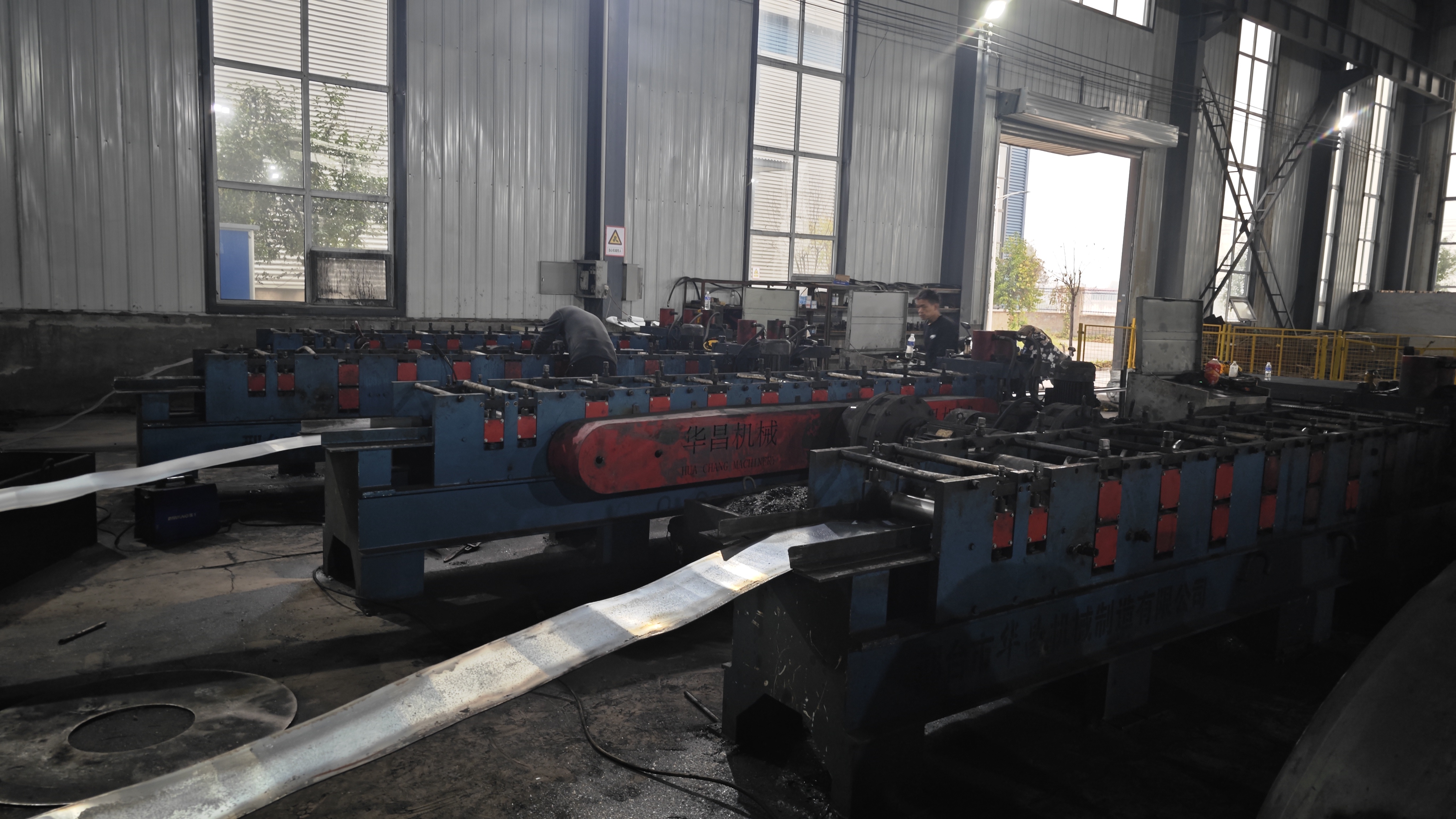
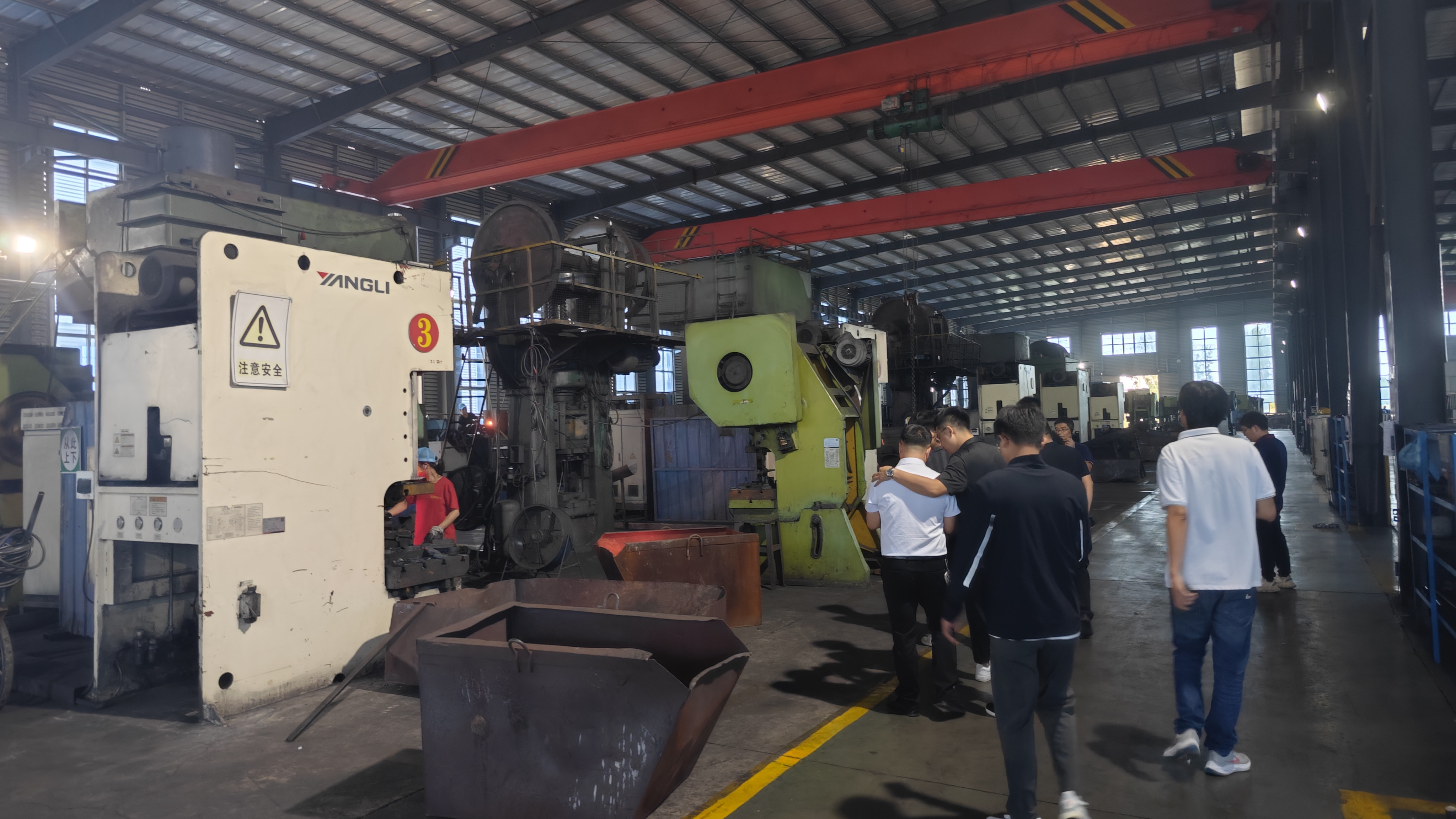
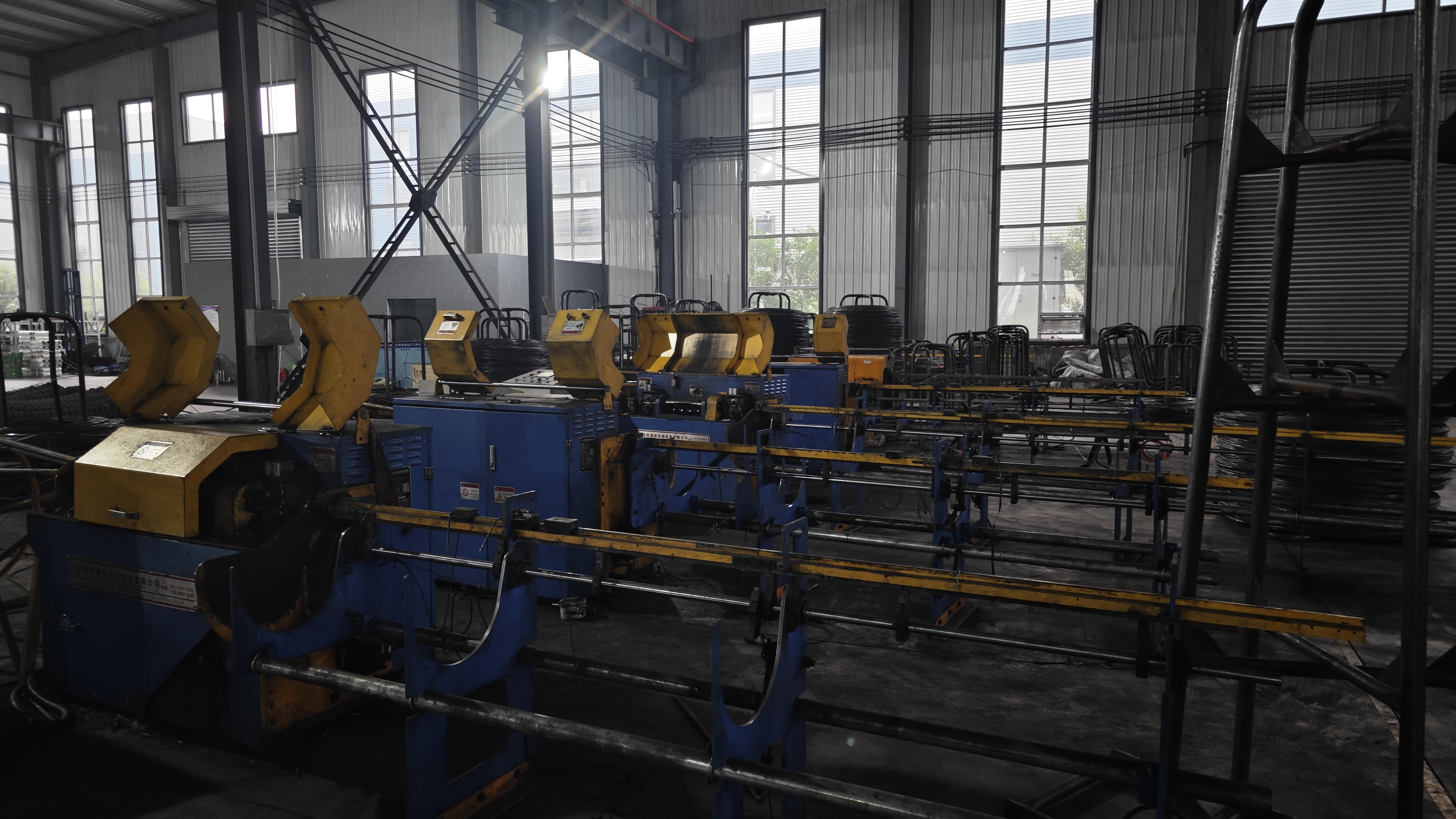
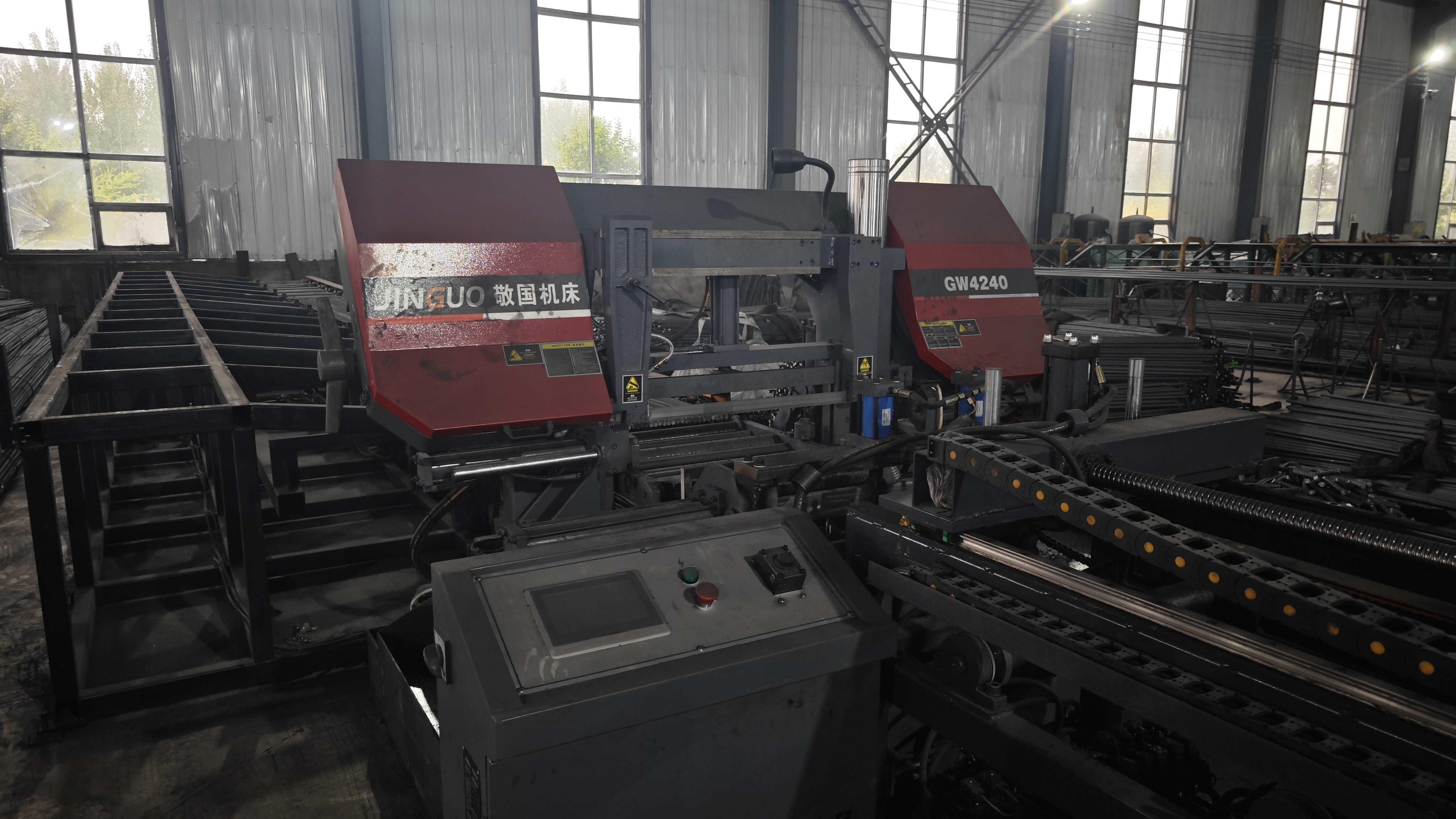
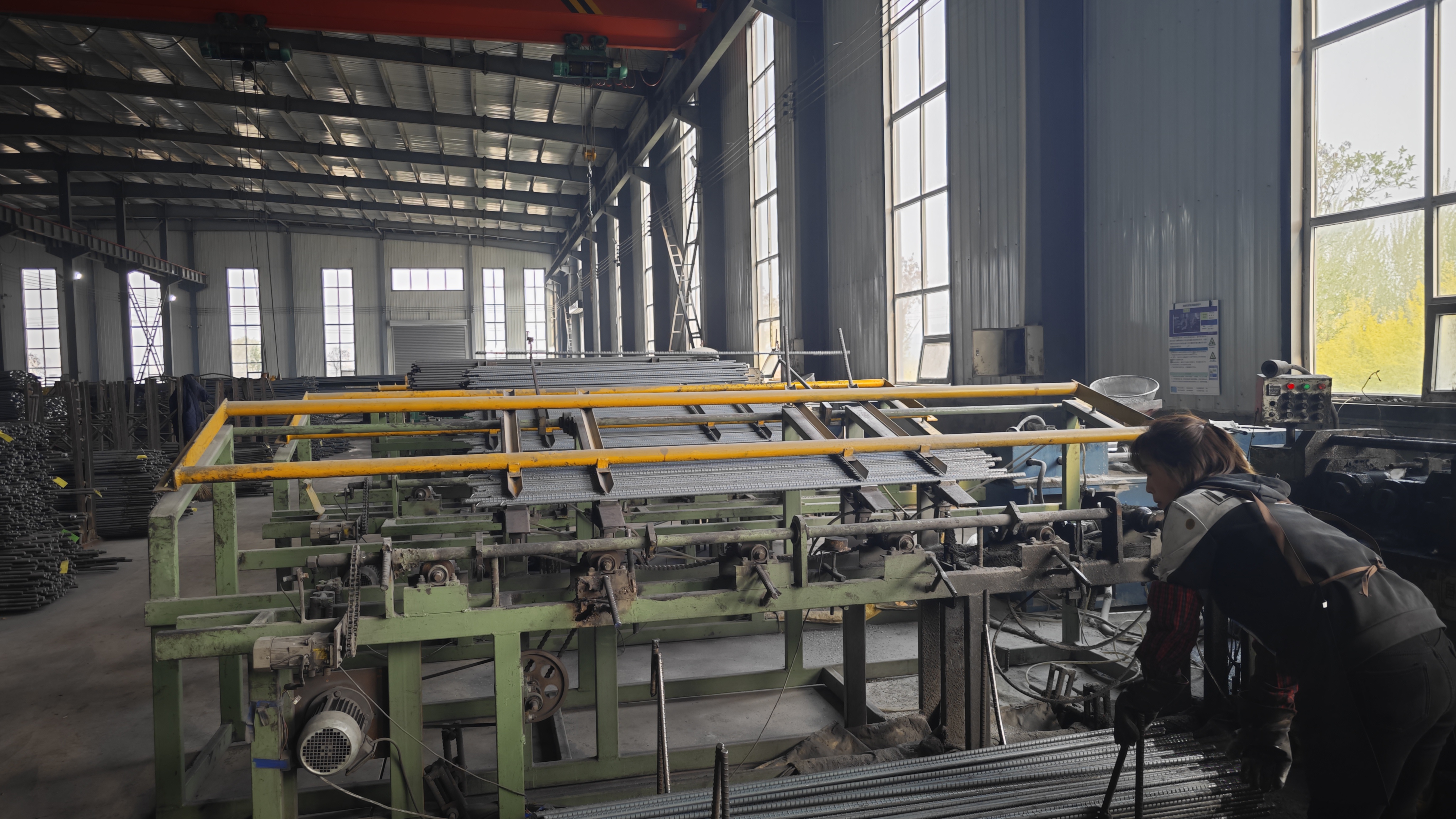
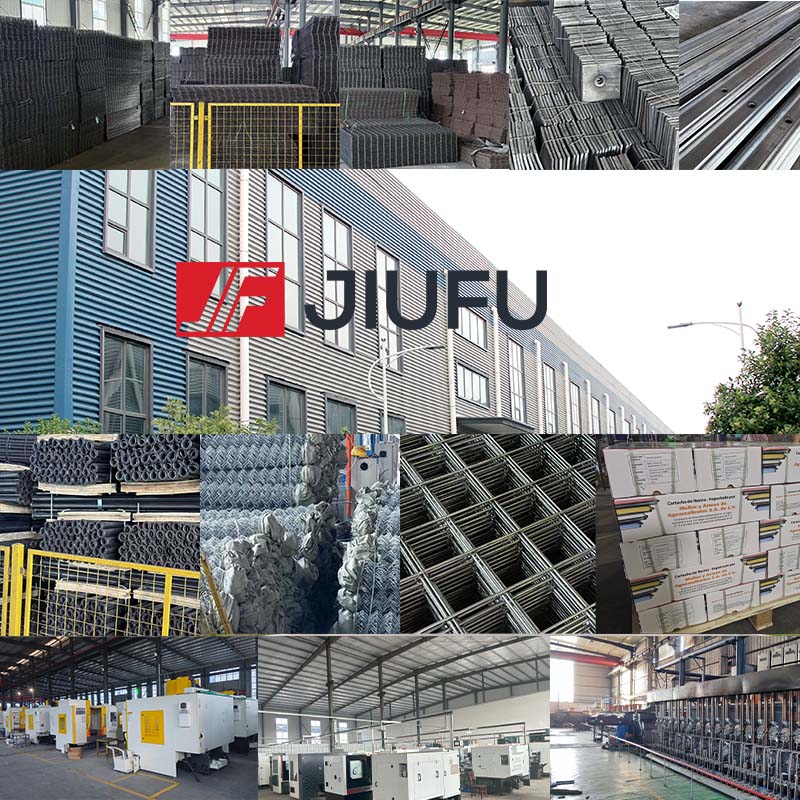
Multiple intelligent production lines operate simultaneously, supporting rapid delivery of large-volume orders and concurrent production of multiple projects. Daily production capacity has increased by 300%, ensuring timely delivery of urgent orders and uninterrupted supply during peak seasons.