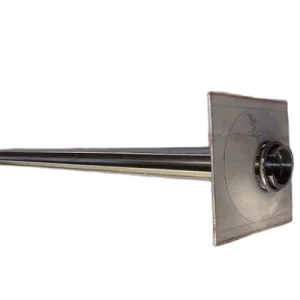
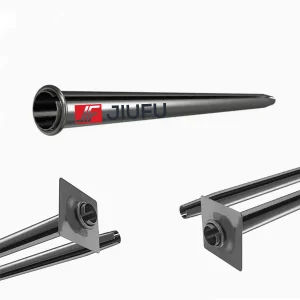
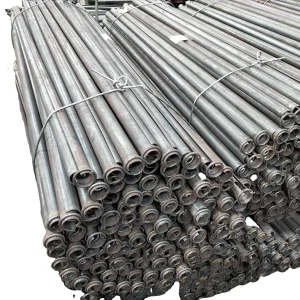
Selected structural support and installer solutions engineered for rapid ground reinforcement and secure anchoring systems.
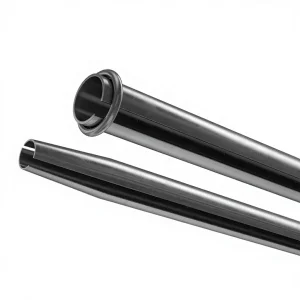
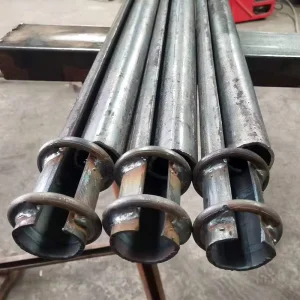
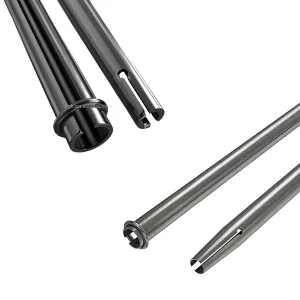
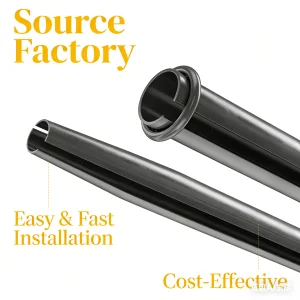
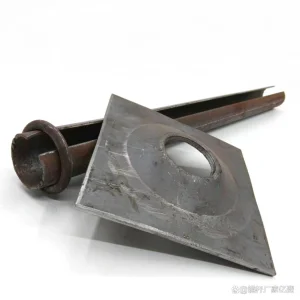
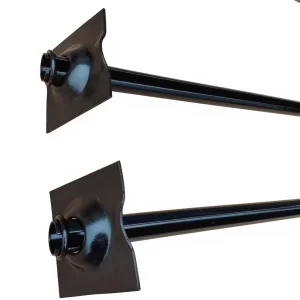
Split set stabilizers, or friction rock bolts, represent a crucial advancement in underground excavation protection systems. Operating on a simple yet highly effective mechanical principle, a split set consists of a high-strength steel tube slotted along its entire length. When driven into a borehole of a slightly smaller diameter using a specialized pneumatic or hydraulic split set stabilizer installer, the tube contracts elastically. This compression generates a continuous, radial frictional force against the surrounding rock strata.
Unlike traditional grouted or mechanical expansion anchors, split sets offer immediate load support across the entire borehole length. This continuous friction transfer accommodates lateral rock shifting and ground convergence, making them the preferred support mechanism in seismically active mines or complex geological formations.
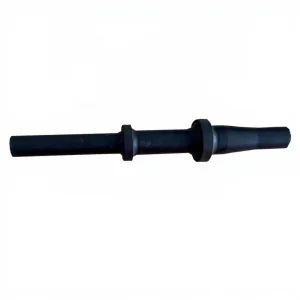
To deploy these bolts effectively, the choice of installation machinery—specifically drivers, dollies, and high-performance pneumatic pushers—is critical. Proper deployment prevents tube deformation during insertion, ensuring the structural integrity of the strata is maintained to the highest safety and engineering tolerances.
Analyzing key structural demands, mining traditions, and metropolitan transit expansions across Hungary's complex subterranean geological formations.
Hungary possesses a unique geological profile characterized by extensive karst limestone systems, geothermal aquifers, and alluvial sediment basins. Historically rooted in rich coal, bauxite, and manganese mining (notably in regions like the Bakony and Mecsek mountains), Hungary's underground engineering focus has transitioned toward civil infrastructure, utility tunneling, and geothermal energy development.
Projects such as the structural maintenance of the Budapest metro networks, highway tunnels in hilly regions, and deep underground utility channels face challenging ground water conditions. In these environments, saturated clay strata, tectonic micro-fault lines, and limestone cavities present significant stabilization challenges.
Implementing split set stabilizers in Hungarian karst regions requires components with high corrosion resistance and reliable radial performance. Because water flows through limestone crevices, untreated steel anchors are vulnerable to localized rust, which degrades friction over time.
Using hot-dip galvanized or epoxy-coated friction bolts ensures long-term safety for civil engineering projects in Budapest and surrounding areas. Our installation setups, featuring robust dolly systems, allow contractors to install these bolts smoothly into pre-drilled limestone, dolomite, or mudstone, achieving predictable pull-out resistance that meets Eurocode 7 design standards.
Engineering parameters for standard friction bolt applications in civil and mining rock reinforcement projects.
| Parameter / Spec Details | 33mm System (SS-33) | 39mm System (SS-39) | 46mm System (SS-46) |
|---|---|---|---|
| Recommended Hole Diameter | 30.0 mm - 31.5 mm | 35.0 mm - 37.0 mm | 41.5 mm - 43.5 mm |
| Steel Yield Strength (Typical) | ≥ 355 MPa (High Strength Low Alloy) | ≥ 355 MPa / ≥ 460 MPa | ≥ 460 MPa (Ultra-High Strength) |
| Recommended Installation Drive | Pneumatic Handheld Rock Drill / Jackleg | Heavy Pneumatic Drifter / Rotary Bolter | Rig-Mounted Hydraulic Percussive Driver |
| Corrosion Protection Grade | Black Steel, Galvanized, or Epoxy Paint | Hot-Dip Galvanized (EN ISO 1461) | Duplex Coating (Galvanized + Polymer) |
| Ideal Applications in Hungary | Utility Tunnels, Geothermal Pipelines | Karst Rock Tunnels, Underground Metro Support | Heavy Excavation Portals, Deep Shafts |
A behind-the-scenes look at the fabrication, processing, and assembly phases that guarantee high-performance ground support anchors.
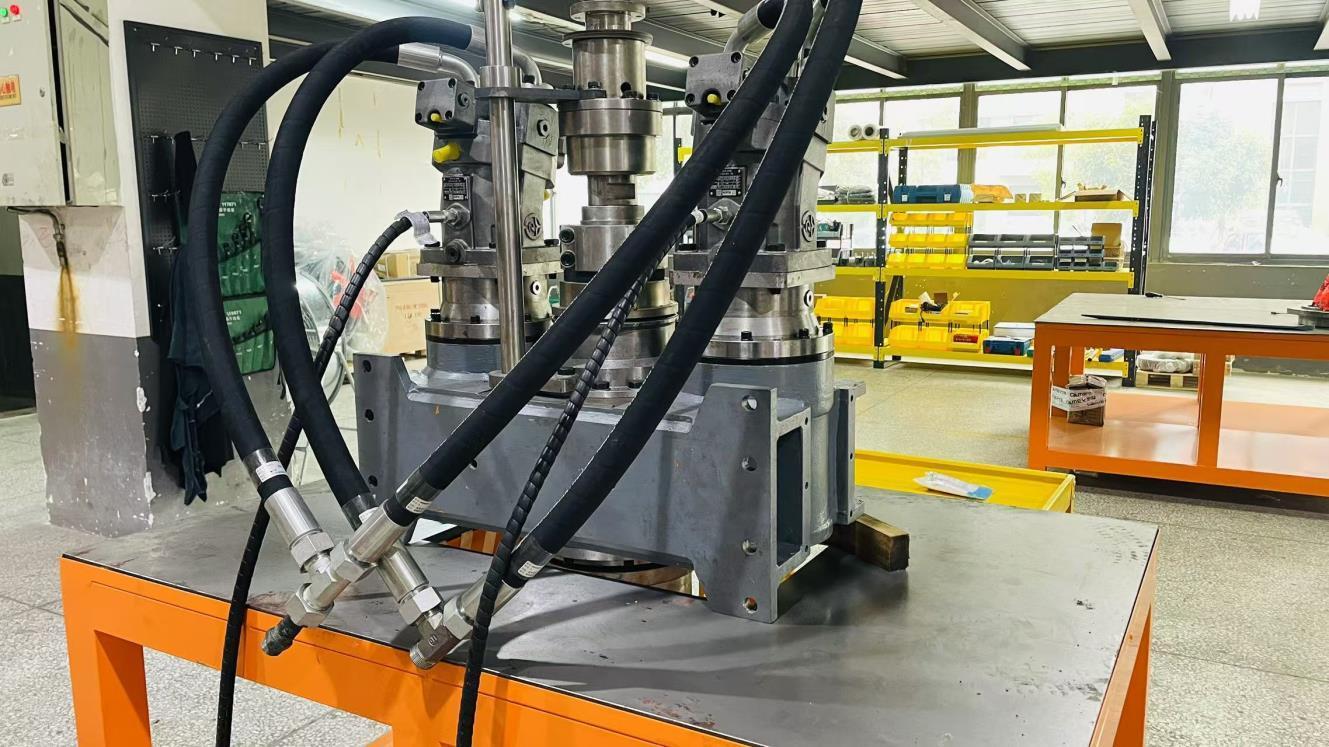
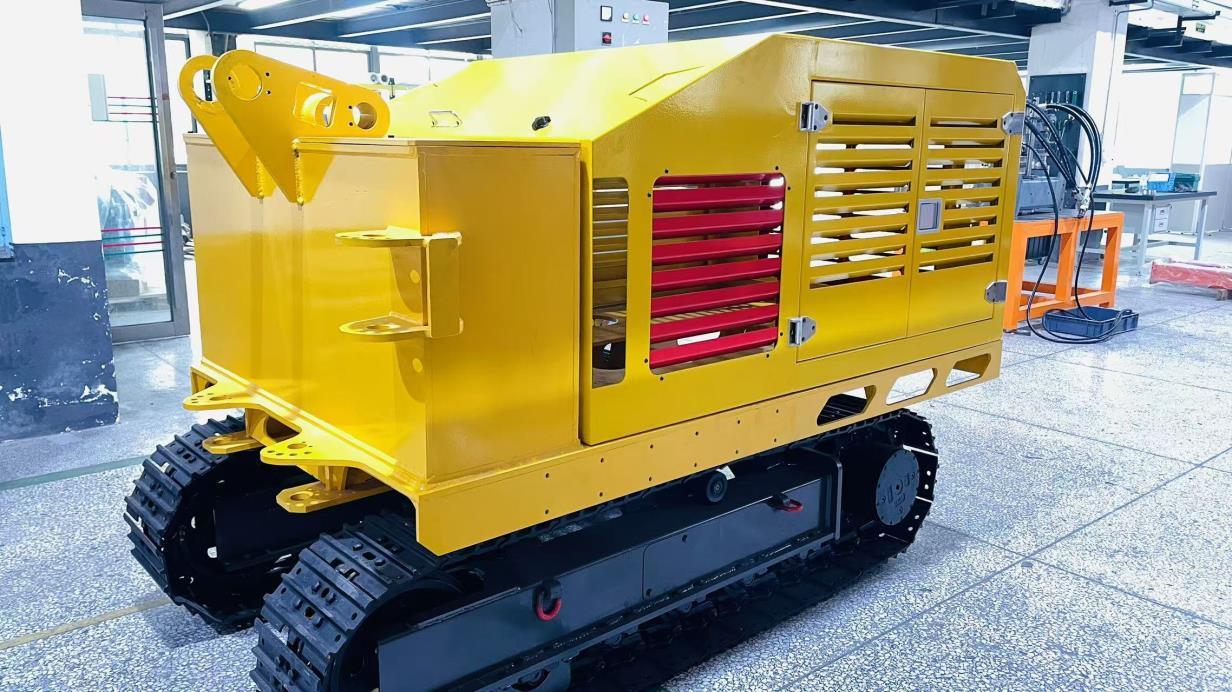
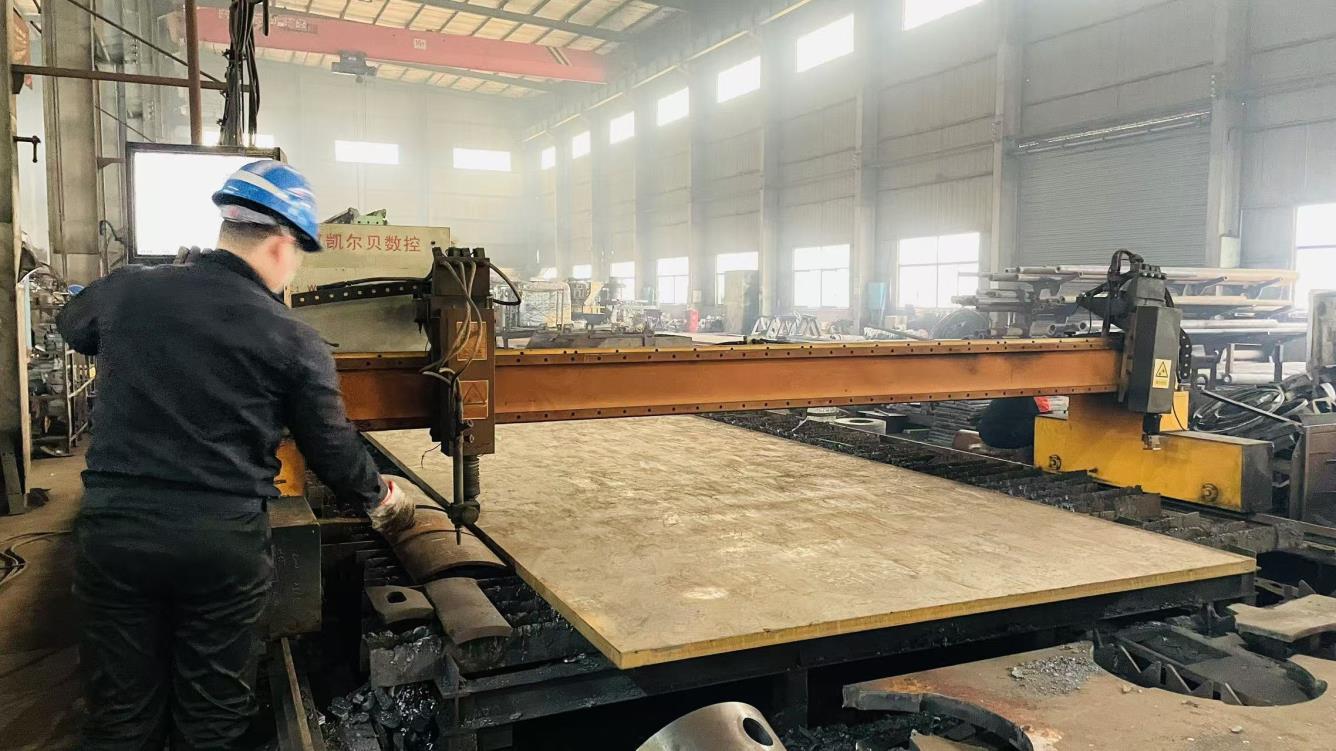
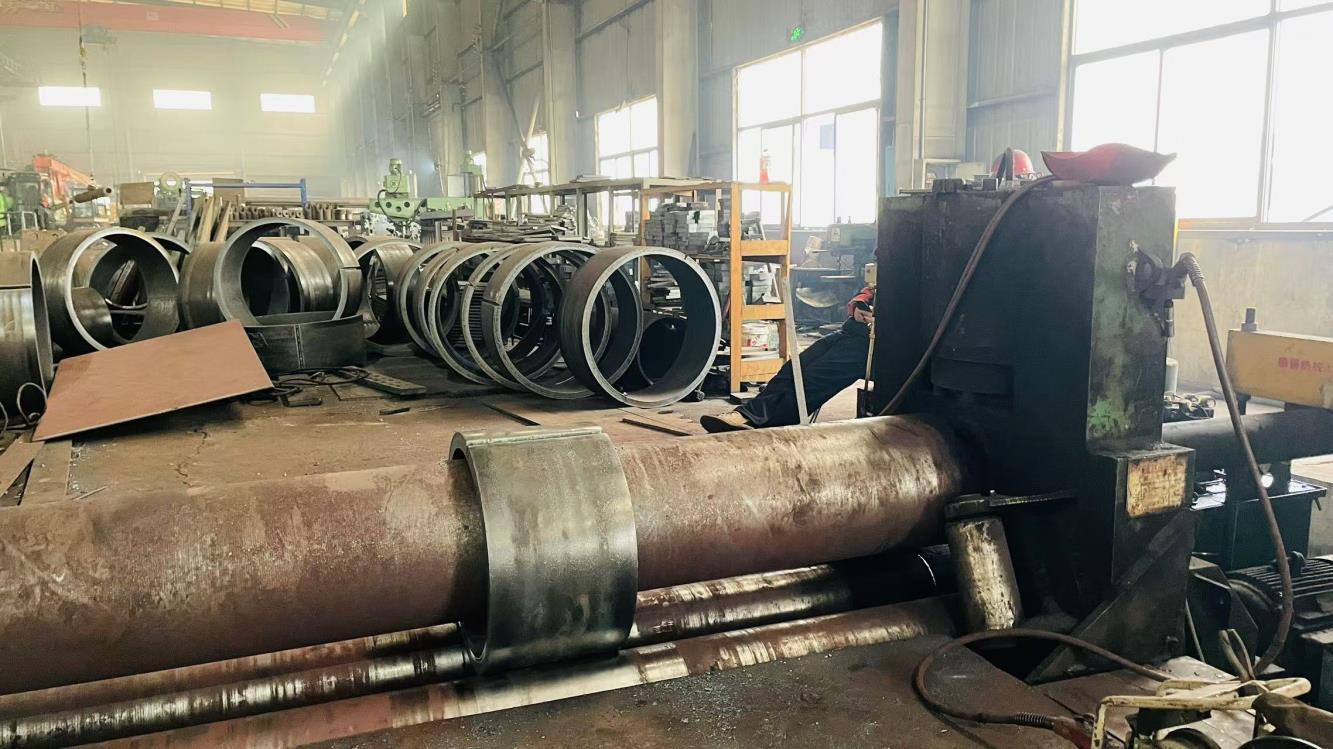
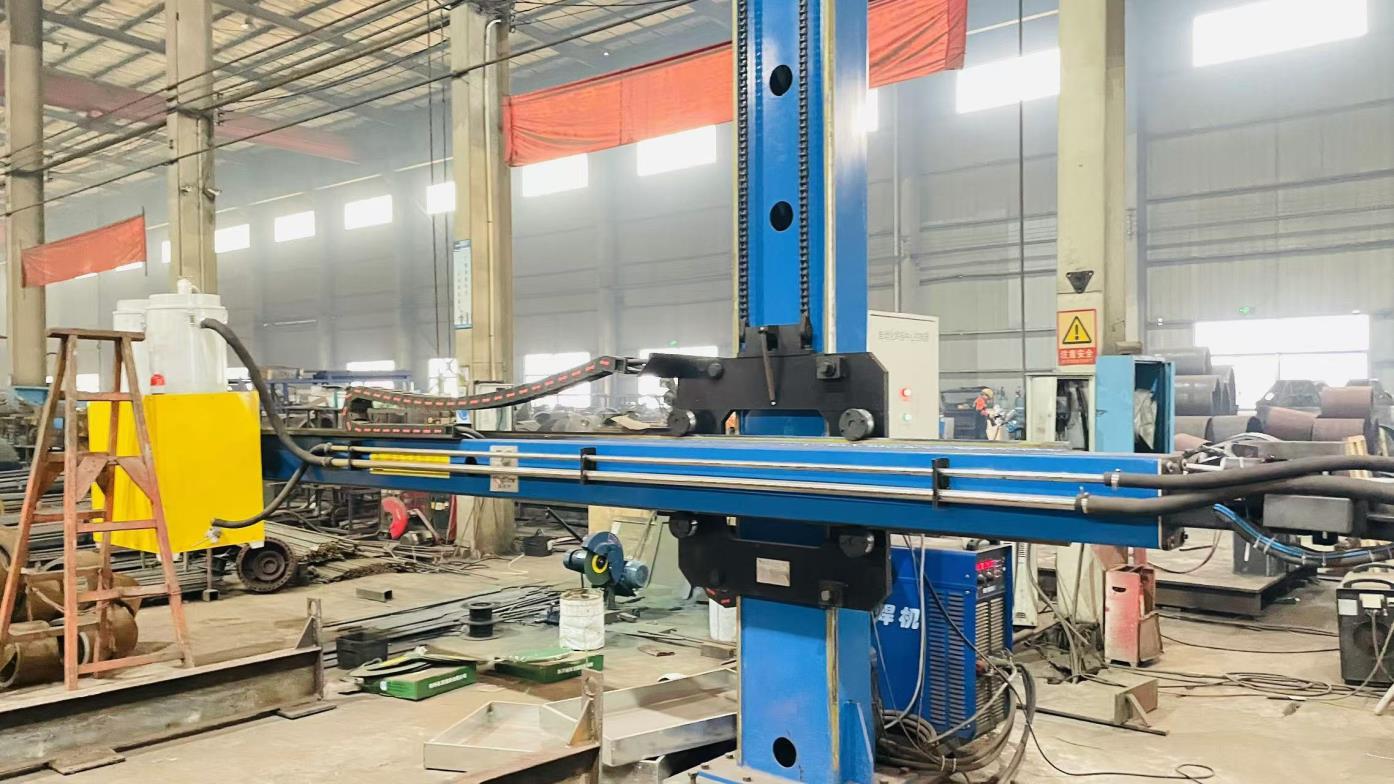
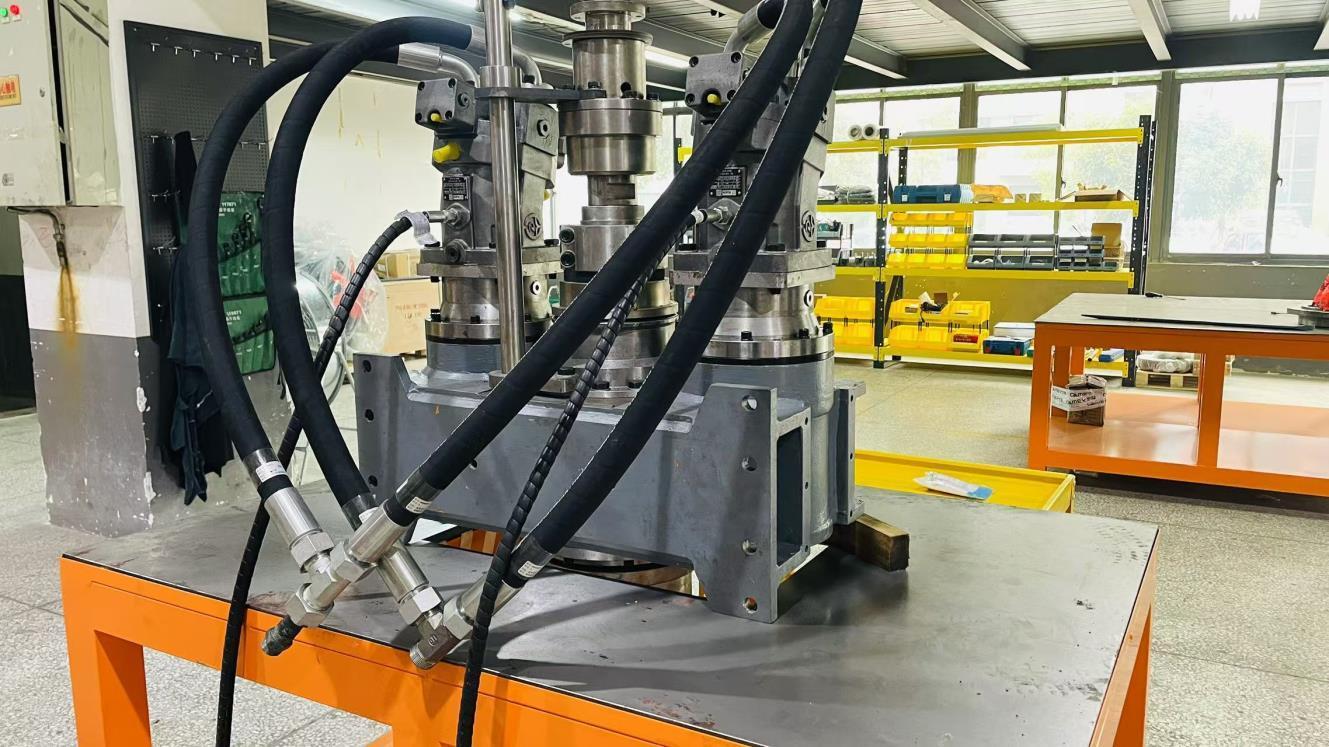
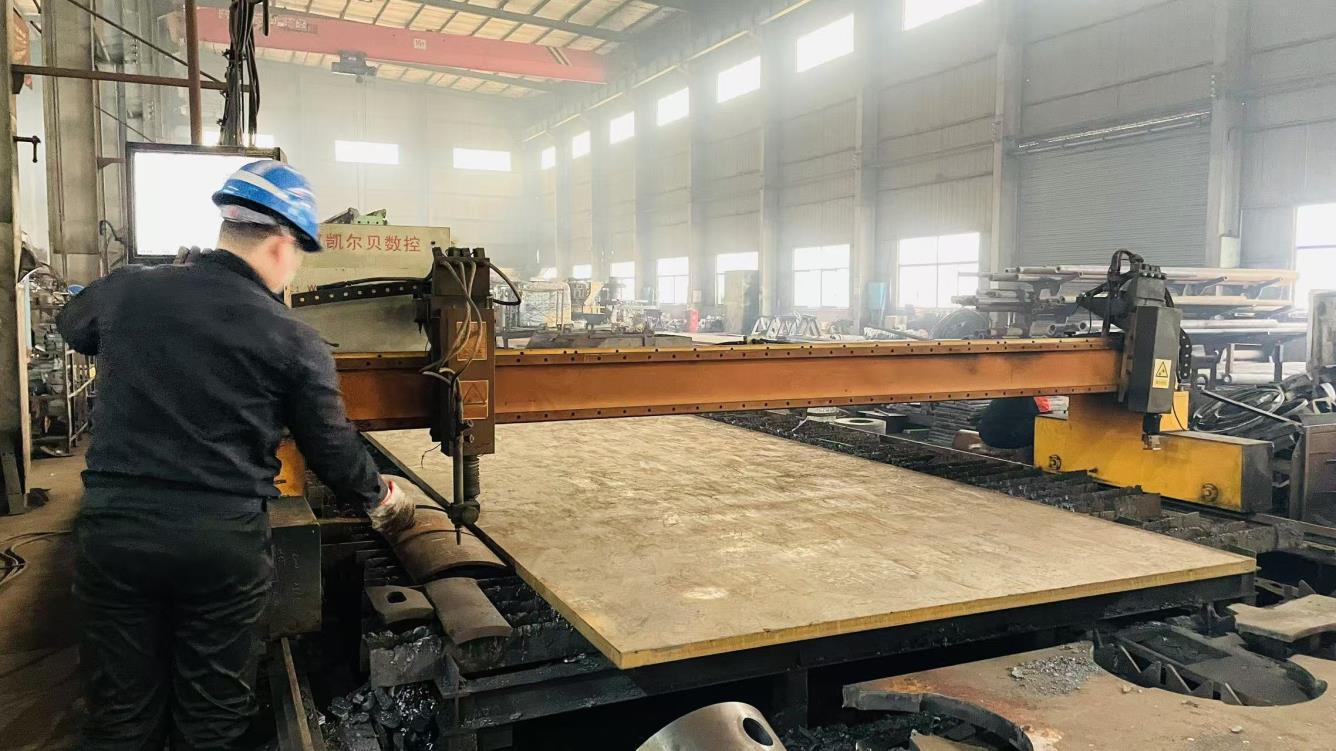
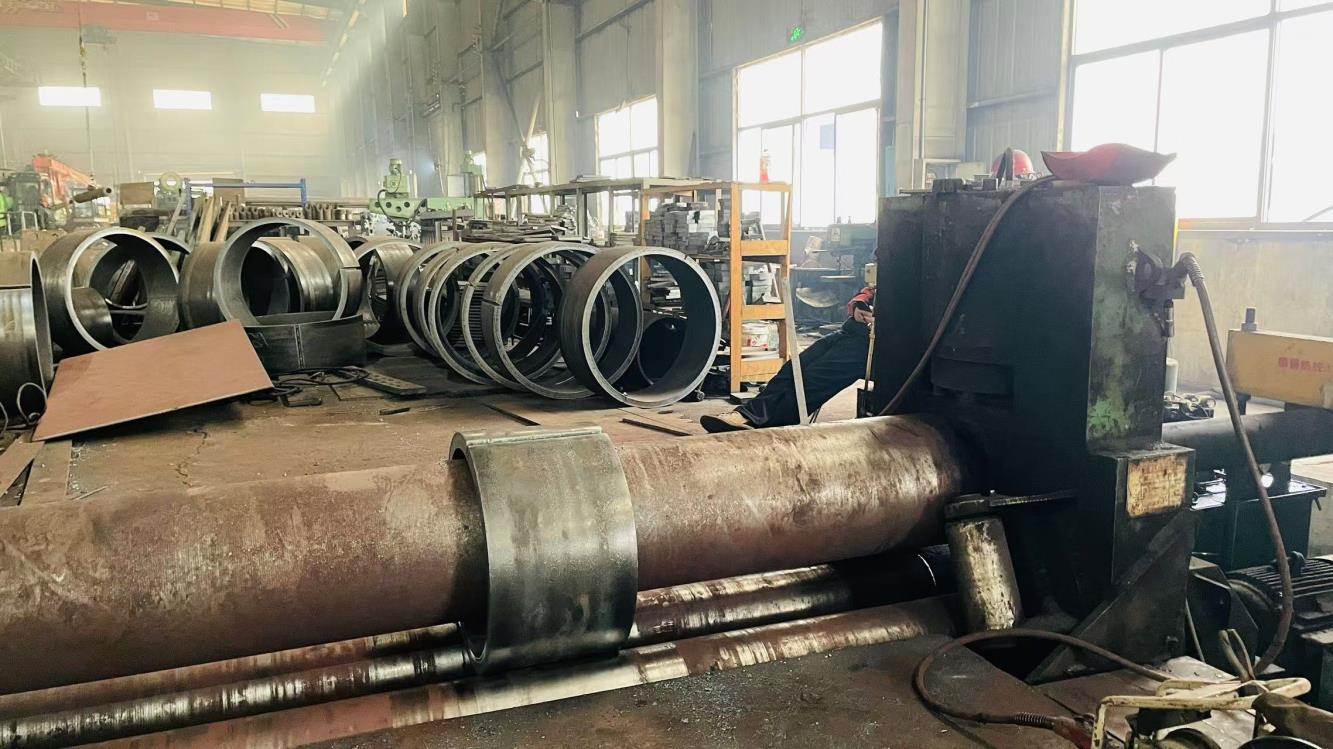
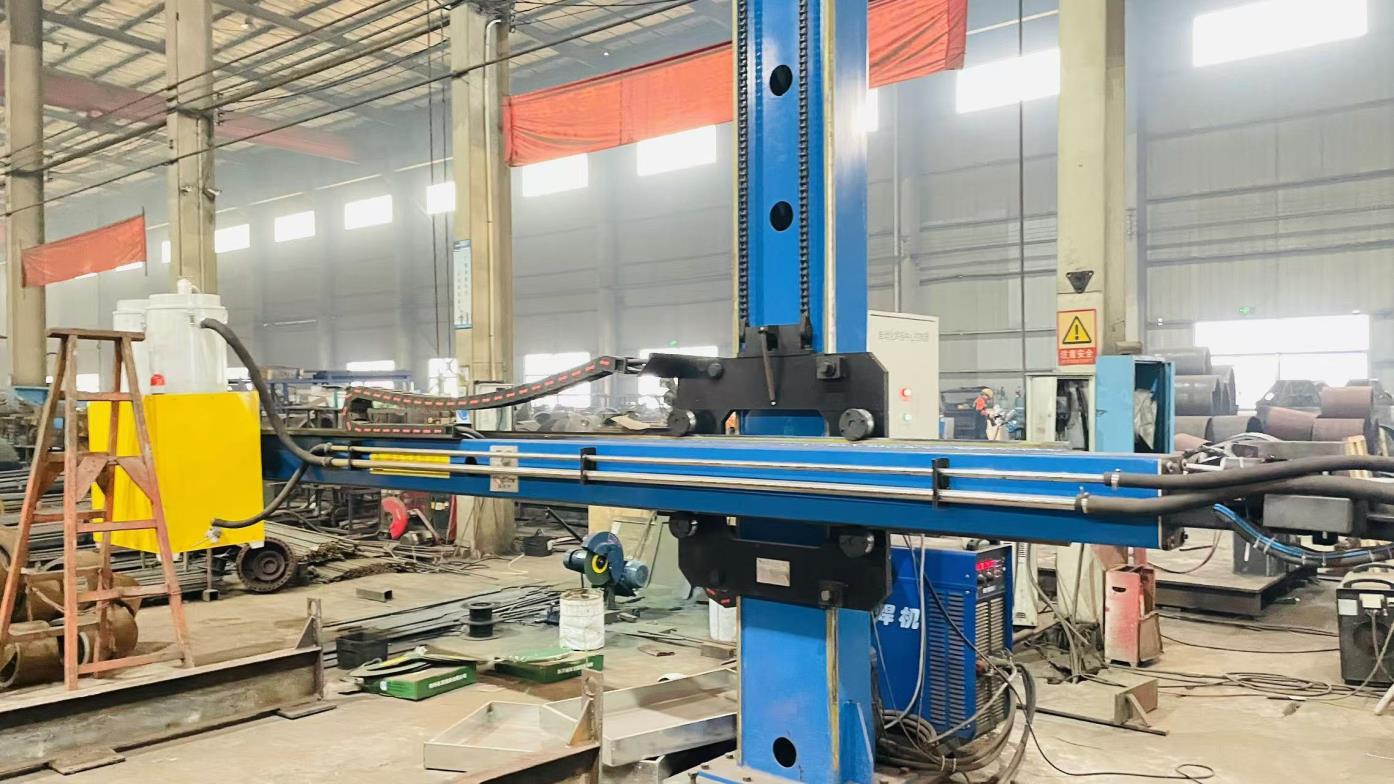
Driving Innovation in Industrial Machinery and Building a New Era of Advanced Equipment Manufacturing
Shandong E-Way Machine Co., Ltd. is a modern industrial equipment manufacturer dedicated to the research, development, production, and service of high-quality machinery and engineering solutions. With a strong focus on technological innovation and manufacturing excellence, the company serves customers in mining, construction, and various heavy-duty industrial sectors worldwide.
Over the years, Shandong E-Way Machine has developed a diversified product portfolio covering mining and construction drilling equipment, pneumatic and hydraulic tools, anchoring and support systems, mechanical transmission components, and a wide range of spare parts and accessories. In addition, the company provides customized machining services, including precision components, structural parts, and wear-resistant engineering plastic products, meeting the specific needs of different working conditions and industries.
Our commitment to "Quality First, Safety Guaranteed" drives us to implement rigorous quality controls at every production stage. From raw material selection to stress testing and surface treatment, we verify every parameter. In tunnel construction and mining applications, where ground movement is a constant risk, we build our products with enhanced structural strength and durability to perform under high loads and harsh environments.
Looking ahead, Shandong E-Way Machine Co., Ltd. will continue to focus on innovation-driven growth, quality excellence, and service-oriented development. We are committed to advancing intelligent manufacturing, expanding application areas, and improving product efficiency, safety, and sustainability for our global partners.
How we leverage direct shipping channels, bulk material advantages, and rail connections to deliver consistent industrial support across Europe.
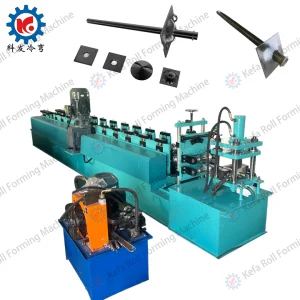
Operating out of Shandong Province, China's manufacturing heartland for steel fabrication and machinery, E-Way Machine utilizes direct pipelines of premium domestic structural steel. Our high-strength low-alloy (HSLA) steel sheets undergo automated roll-forming and longitudinal welding. By managing manufacturing processes in-house, we control costs and ensure structural consistency, allowing us to supply large-scale infrastructure projects in Hungary with competitive pricing.
Logistics from China to Hungary are streamlined via two main trade routes: the China-Europe Railway Express (direct to Budapest intermodal hubs) and sea freight paths arriving at Mediterranean or Adriatic ports (such as Koper or Rijeka) followed by rail transit. E-Way Machine provides complete customs documentation, export compliance certificates, and seaworthy bundle packaging, ensuring your split set stabilizer products arrive intact and ready for immediate deployment.
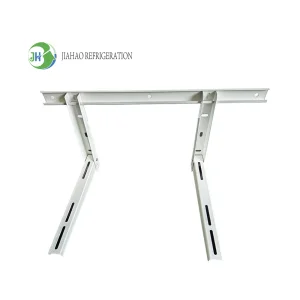
In addition to heavy subterranean ground anchors, we manufacture specialized structural steel wall mounts and brackets designed for heavy outdoor units.
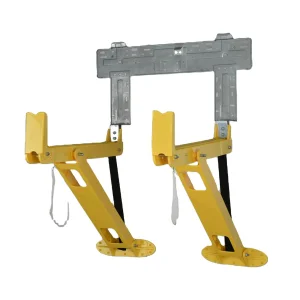
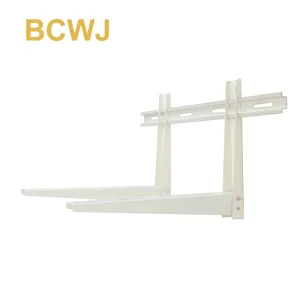
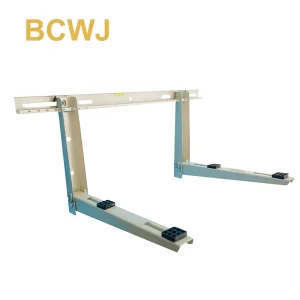
Explore our complete catalog of friction rock stabilizers, heavy-duty drivers, and underground excavation support components.
Expert answers to technical queries regarding friction stabilizer design, installation metrics, and compliance guidelines in European civil works.
Need custom lengths, specific steel grades, or bulk logistics to Hungary? Connect with our engineering and export team for detailed technical quotes.
Send Inquiry Now